
From$17.44
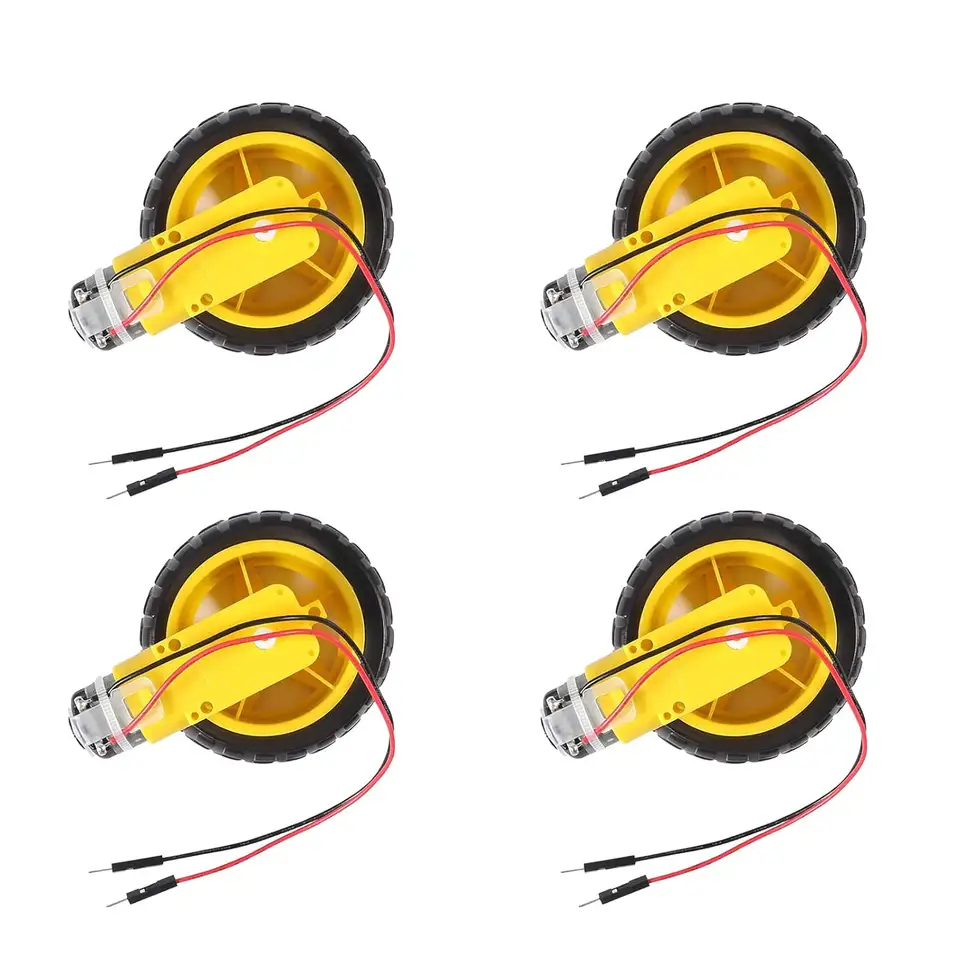
TT Gear Motor and Wheel Kit, 3-6V, 1:48 Ratio, Dual Shaft, 4 Motors and 4 Wheels
Est. delivery 9-13 days
Ships to CanadaPrices in CAD
11 results
From$17.44
Est. delivery 9-13 days
From$27.32
Est. delivery 12-22 days
$23.78
Est. delivery 10-21 days
$8.98
Est. delivery 6-12 days
From$22.82
Free shippingEst. delivery 8-13 days
From$28.54
Free shippingEst. delivery 10-14 days
From$22.07
Free shippingEst. delivery 7-18 days
From$28.55
Free shippingEst. delivery 7-17 days
From$18.06
Est. delivery 10-18 days
A DC gear motor is a brushed motor with a reduction gearbox on the front. The gearbox trades speed for torque, so a motor that spins at thousands of RPM turns a wheel at a usable 100 to 300 RPM with enough force to move a robot. Each listing names its voltage and its ratio or output speed; for the same motor, a lower-RPM option has more torque.
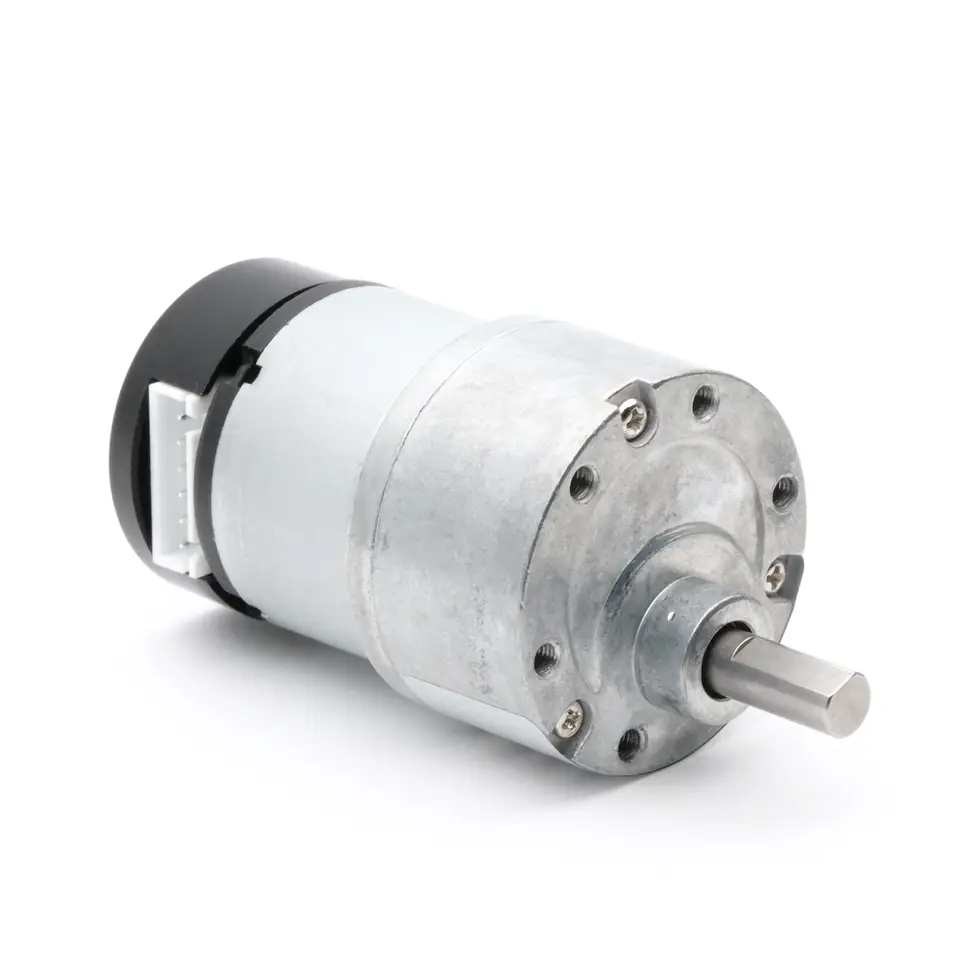
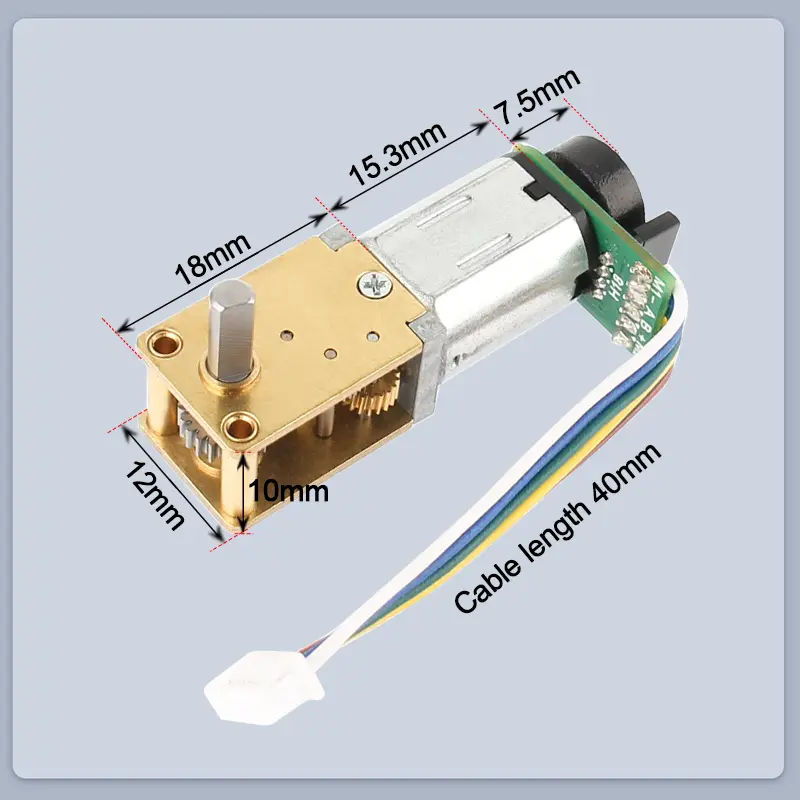
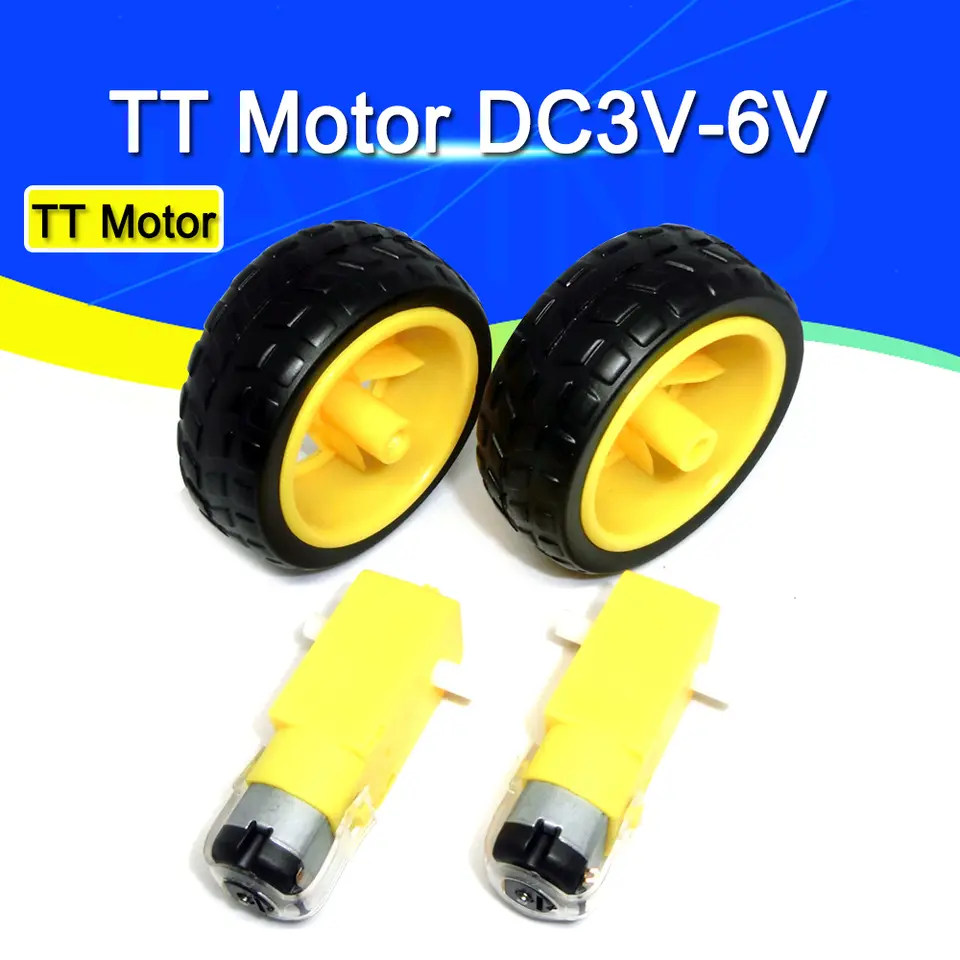
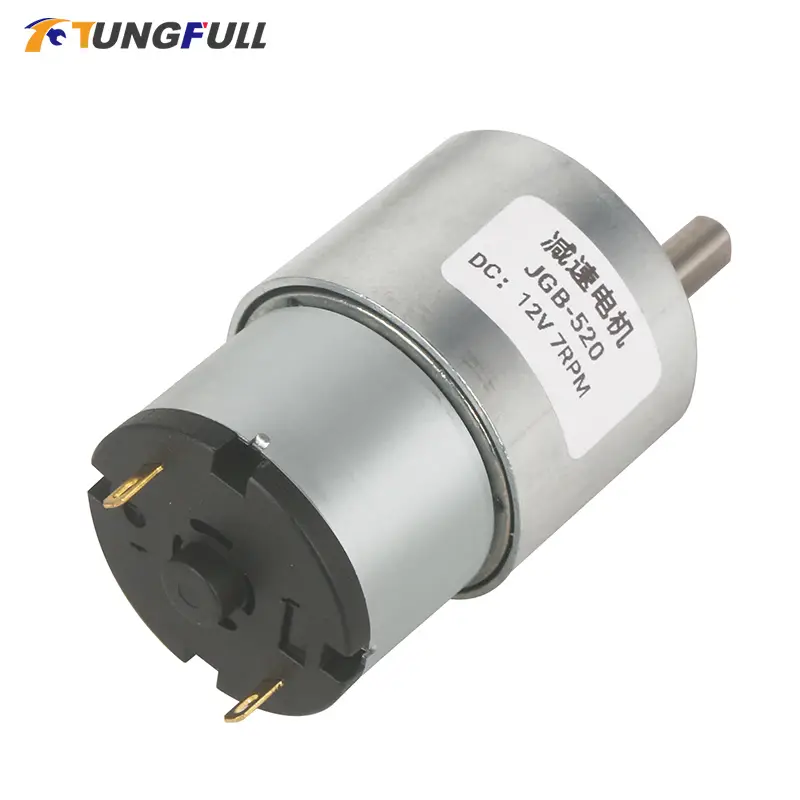
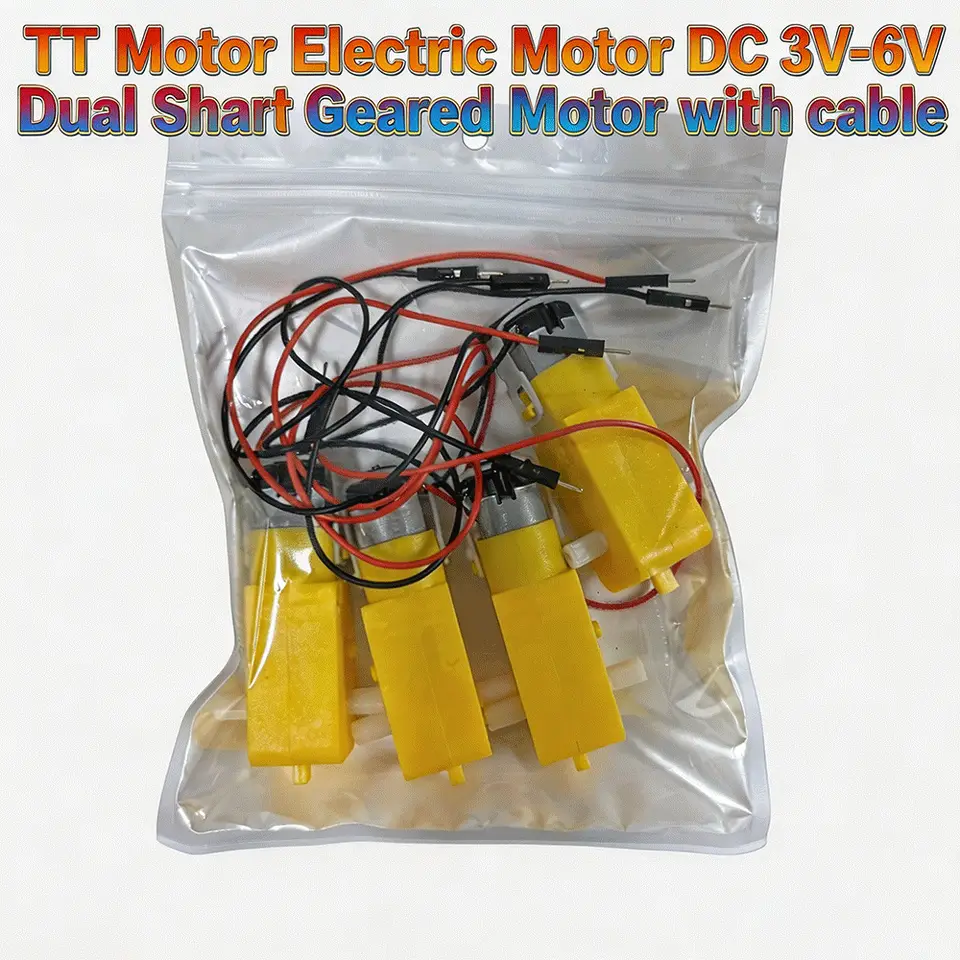
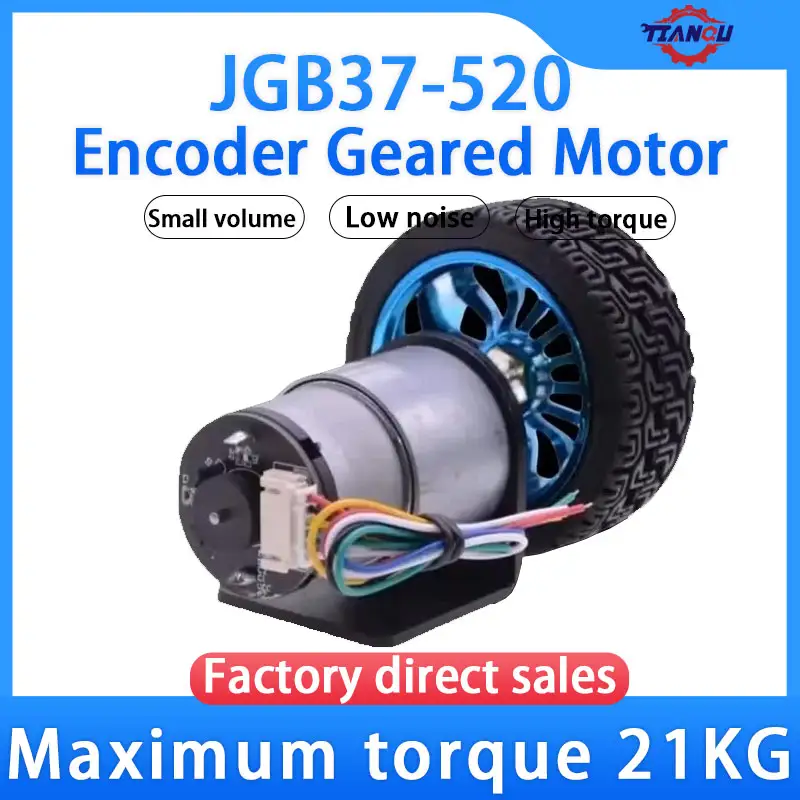
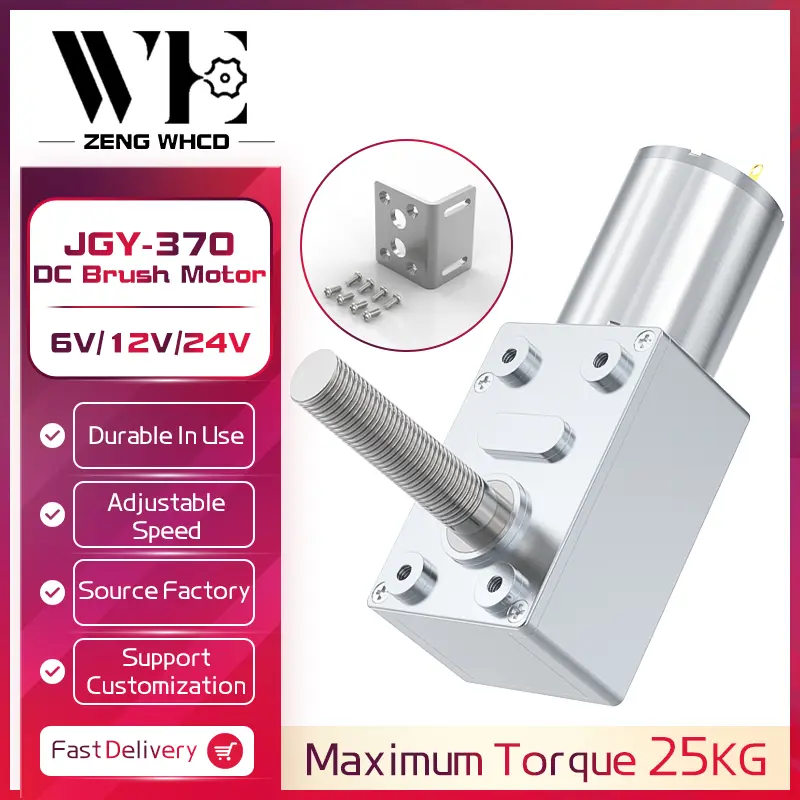
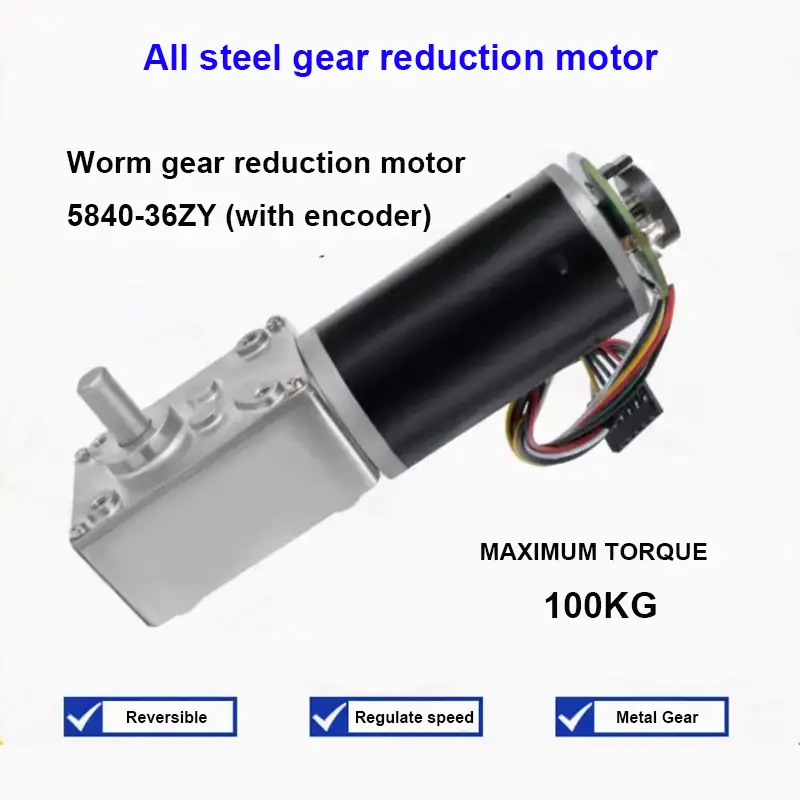
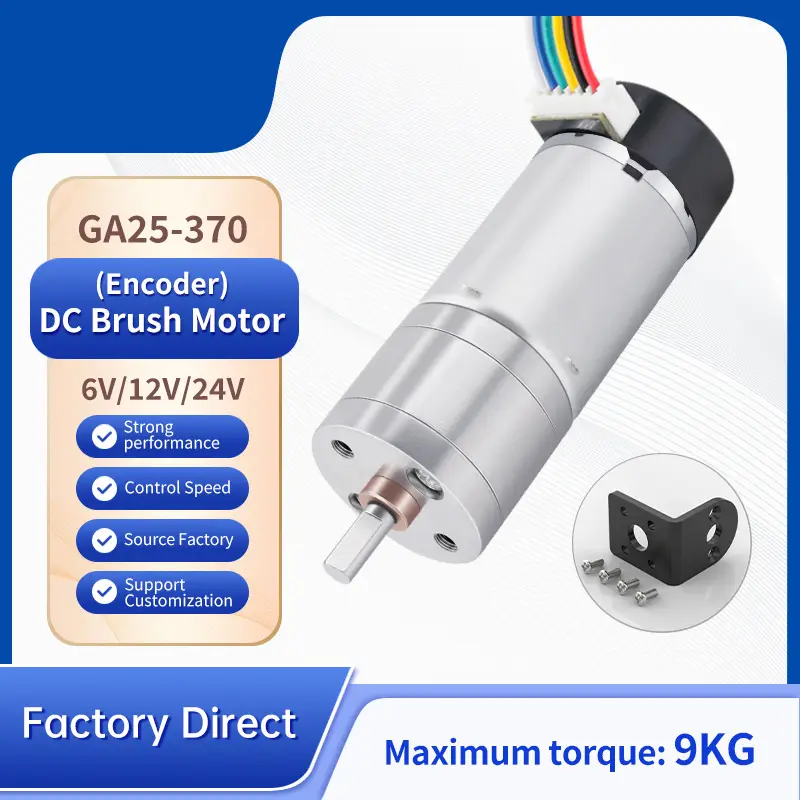
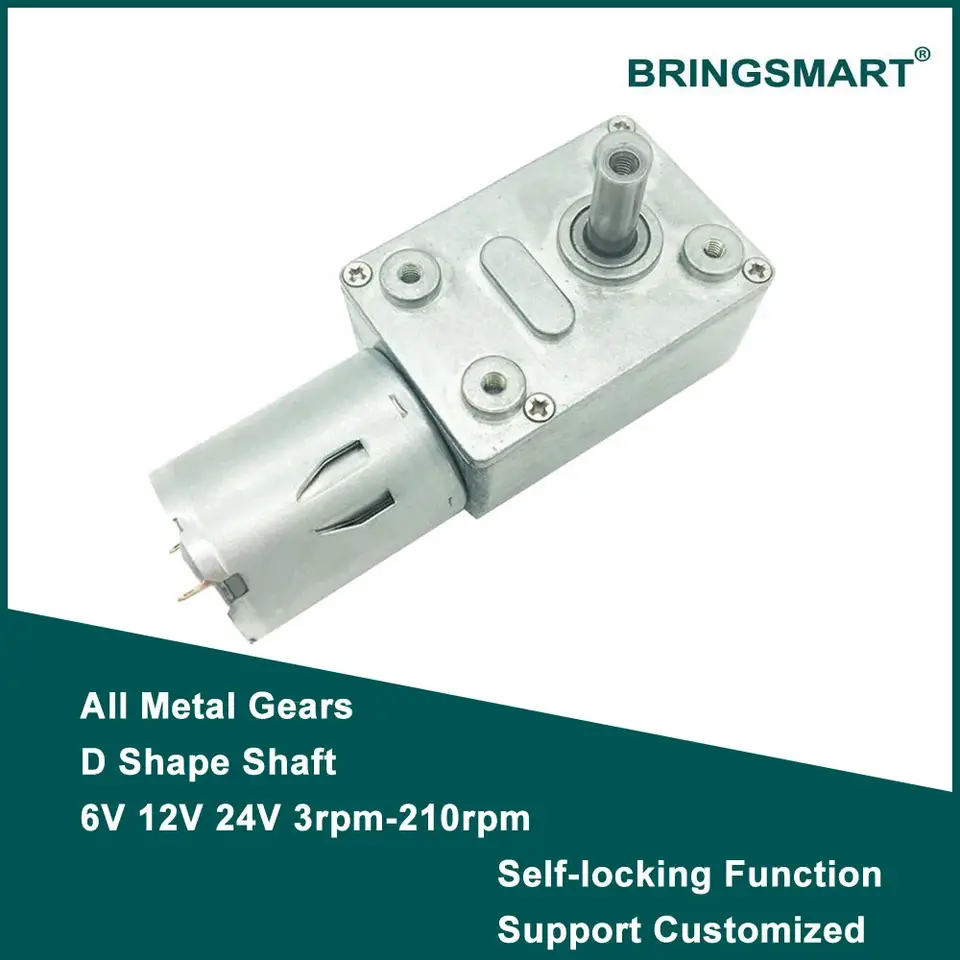
The yellow TT motor is the classroom standard: plastic gears, 3 to 6 V, about 1:48, and it fits the 65 mm wheels in most smart-car kits. It's cheap and easy to mount, though speed varies a little from motor to motor. Metal-gear motors are the next step. The N20 is tiny, for line followers and small robots; the JGA25-370 and JGB37-520 are common choices for heavier rovers and competition robots, at 6, 12 or 24 V. Worm-gear motors such as the JGY-370 and 5840 turn the output at a right angle, and the self-locking JGY-370 holds its position when unpowered, which suits lifts and hinges.
Encoder versions (the N20 with a 7 PPR encoder, JGA25-370, JGB37-520, MG513 and 5840) add a Hall or magnetic sensor on the motor shaft, so your controller can measure speed and distance and drive straight with PID control. Multiply the encoder's pulses per revolution by the gear ratio to get counts per output turn.
Every brushed motor needs a motor driver between it and your microcontroller, because a GPIO pin can't supply the current. Size the driver for the motor's stall current, not its running current.
Quick checks before you order
Work out the wheel speed you need from the robot's top speed and wheel size, then choose the ratio closest to it. Heavier robots, and robots that climb, need more torque, so pick a lower-RPM option of the same motor.
Choose the motor voltage to match the battery: 6 V motors run from four AA cells, and 12 V motors from a 3S lithium pack or a 12 V supply. Running a motor well above its rated voltage shortens its life.
TT motors fit the common 65 mm smart-car wheels, and N20 motors take wheels with a 3 mm D hole. Larger motors such as the JGA25-370 and JGB37-520 need a bracket and a hub matched to their shaft, so check the shaft size before you order wheels.
Tell us the part name or number, and we'll review it for the catalog.