
$17.81
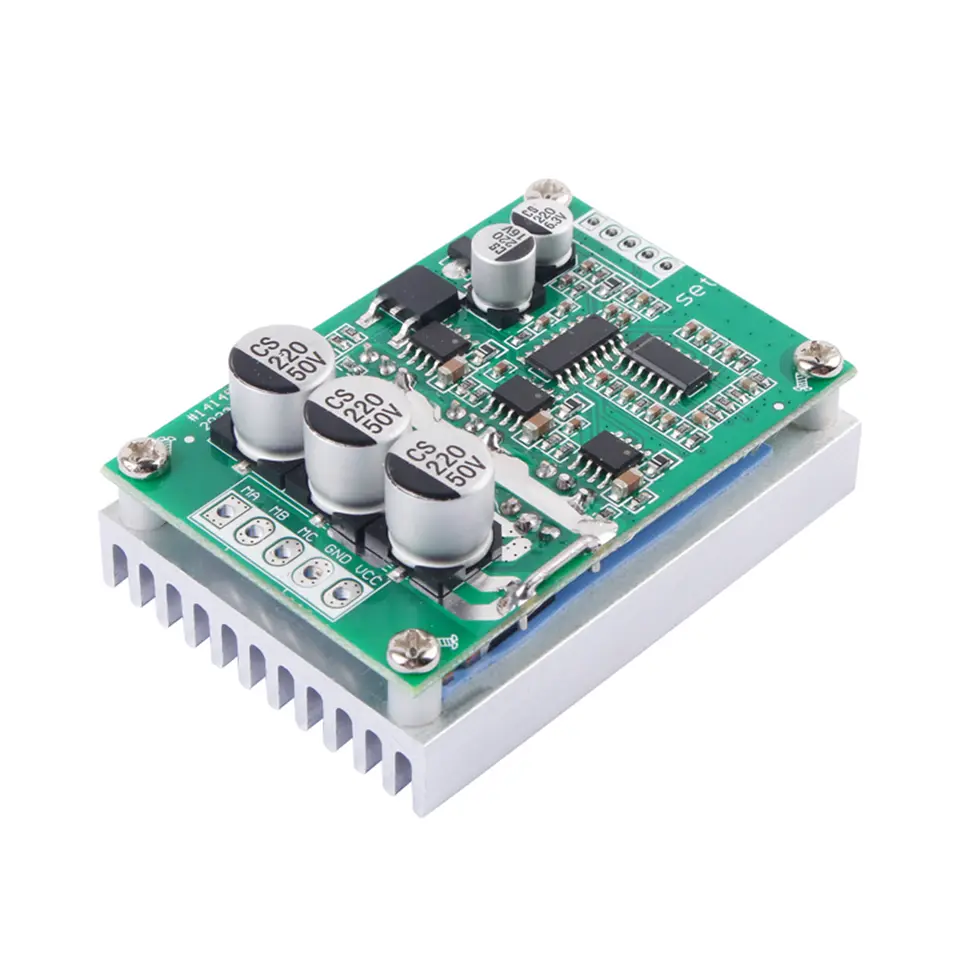
Brushless Motor Driver Board, Hall-Free, 12-36V 15A 500W, Forward/Reverse, PWM Speed Control
Est. delivery 8-14 days
Ships to CanadaPrices in CAD
13 results
$17.81
Est. delivery 8-14 days
$3.99
Est. delivery 8-14 days
From$5.44
Est. delivery 9-14 days
From$12.19
Est. delivery 9-13 days
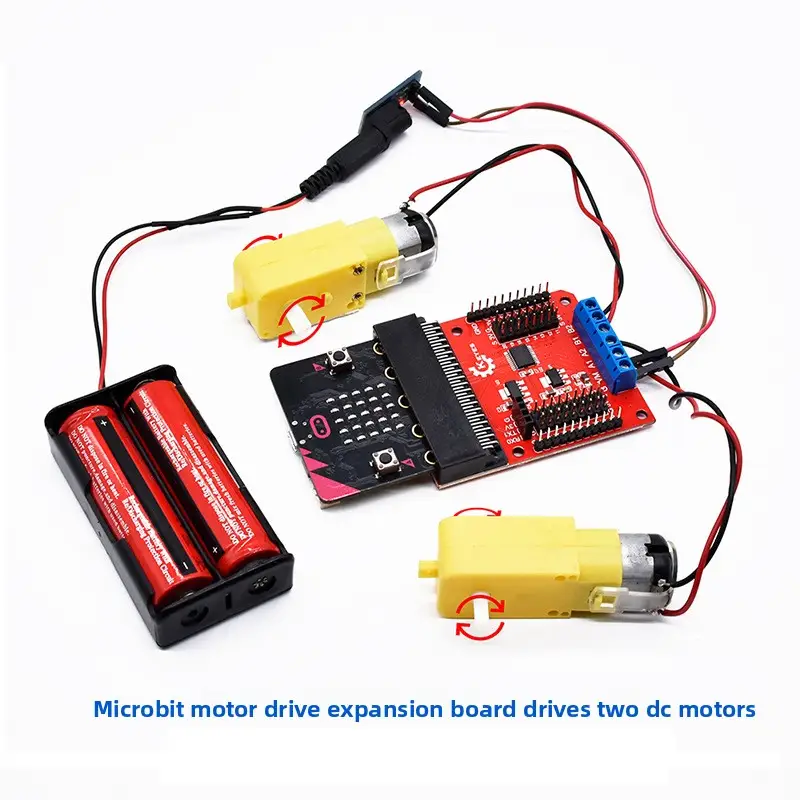
$15.24
Est. delivery 8-13 days
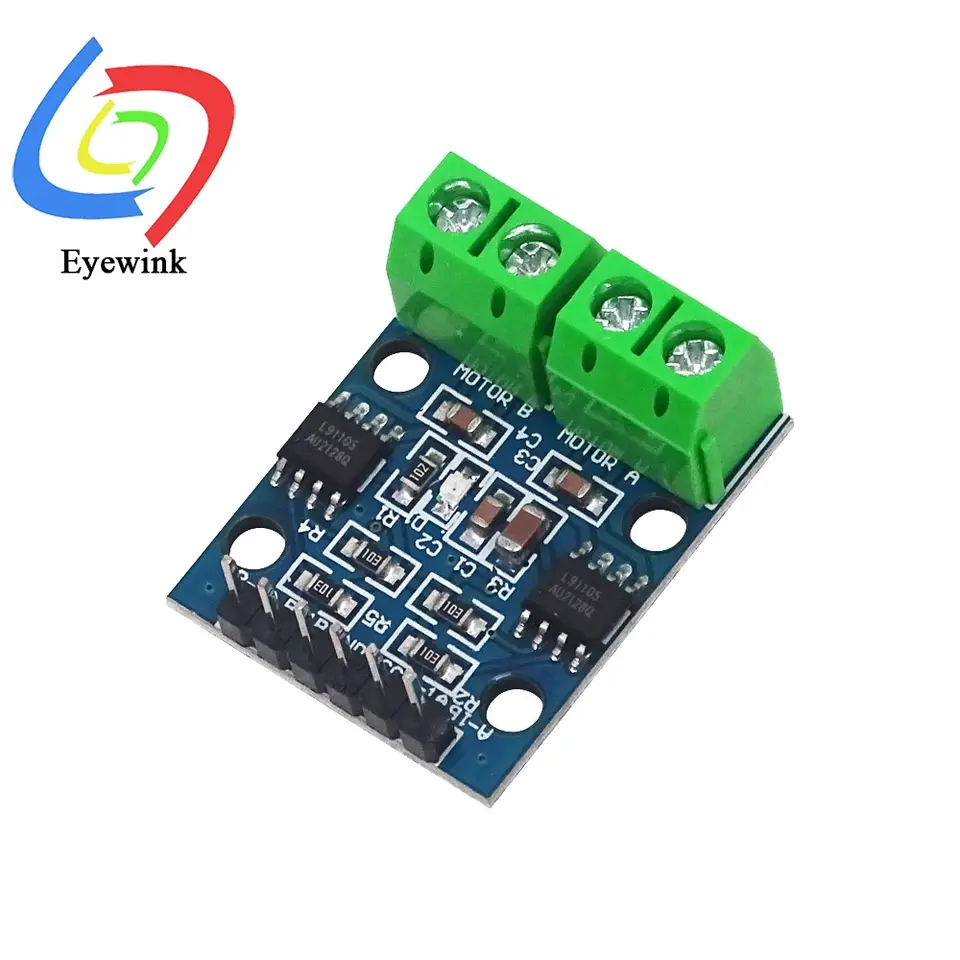
$6.05
Est. delivery 9-13 days
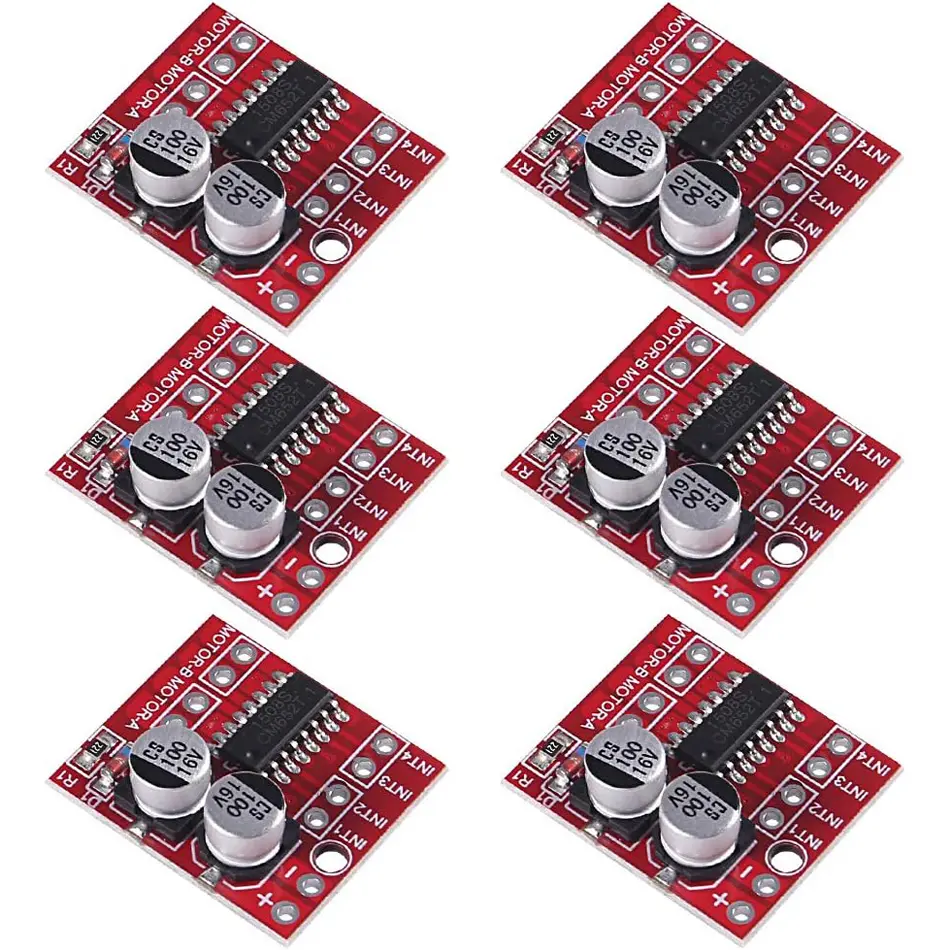
$6.97
Est. delivery 9-13 days
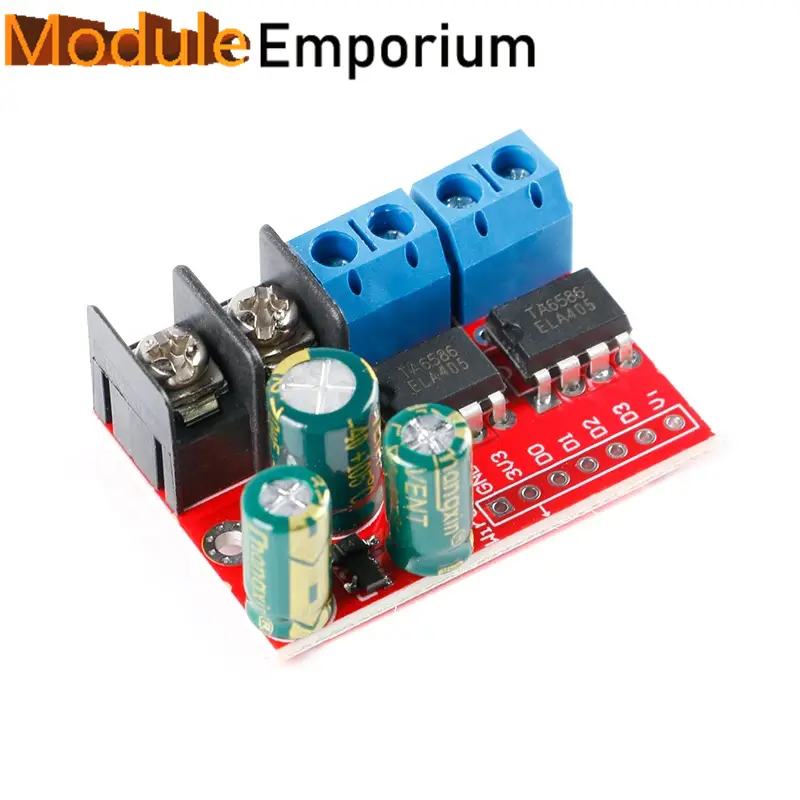
$5.44
Est. delivery 8-14 days
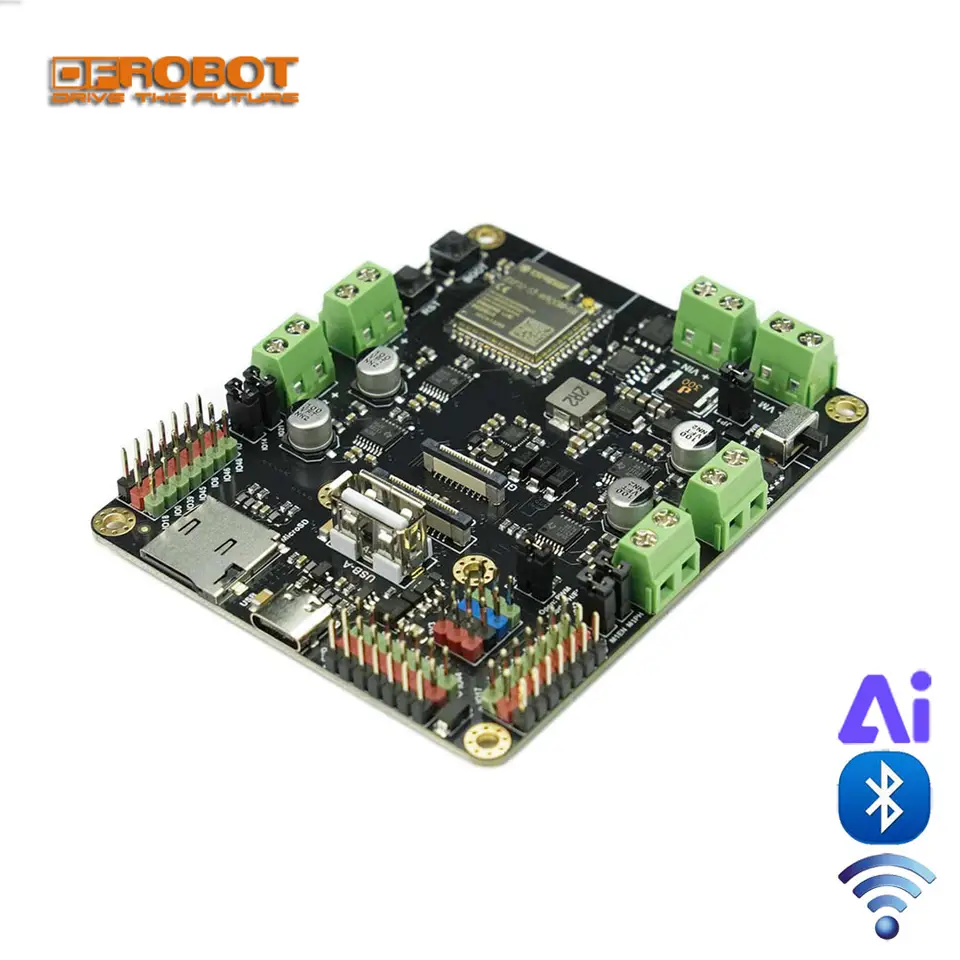
$88.03
Free shippingEst. delivery 7-17 days
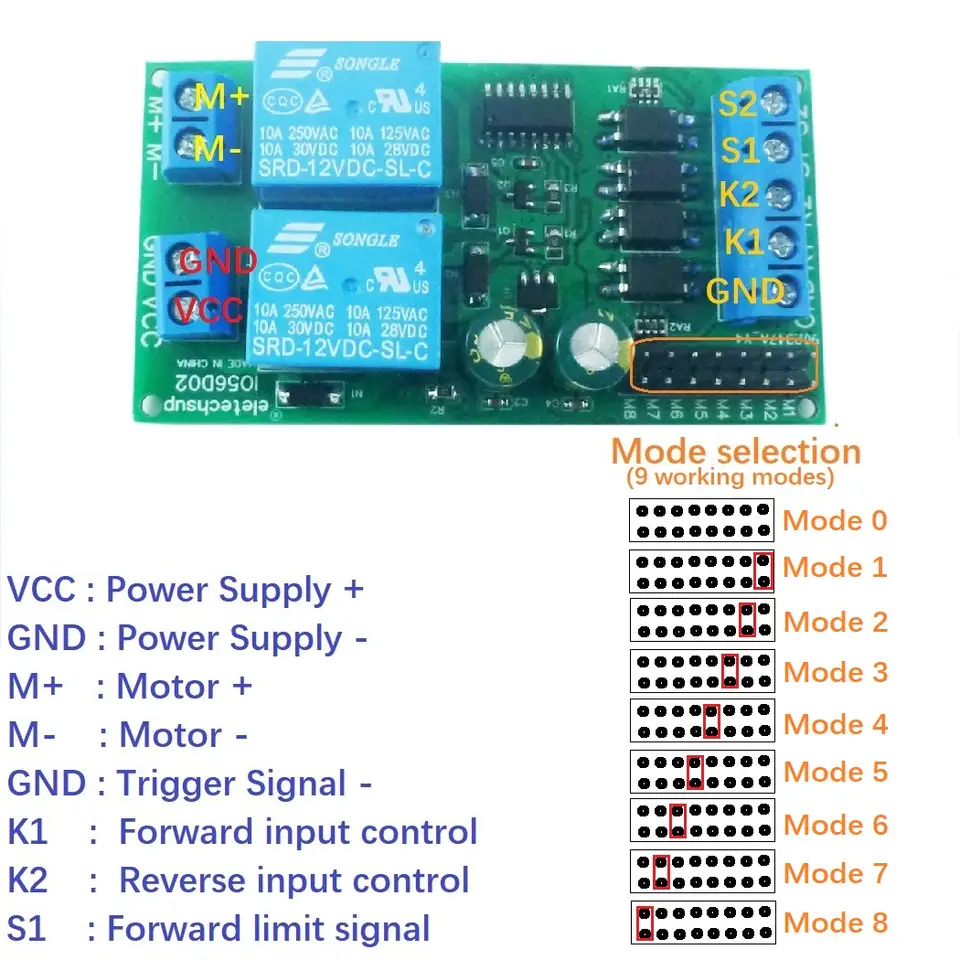
From$12.43
Est. delivery 10-14 days
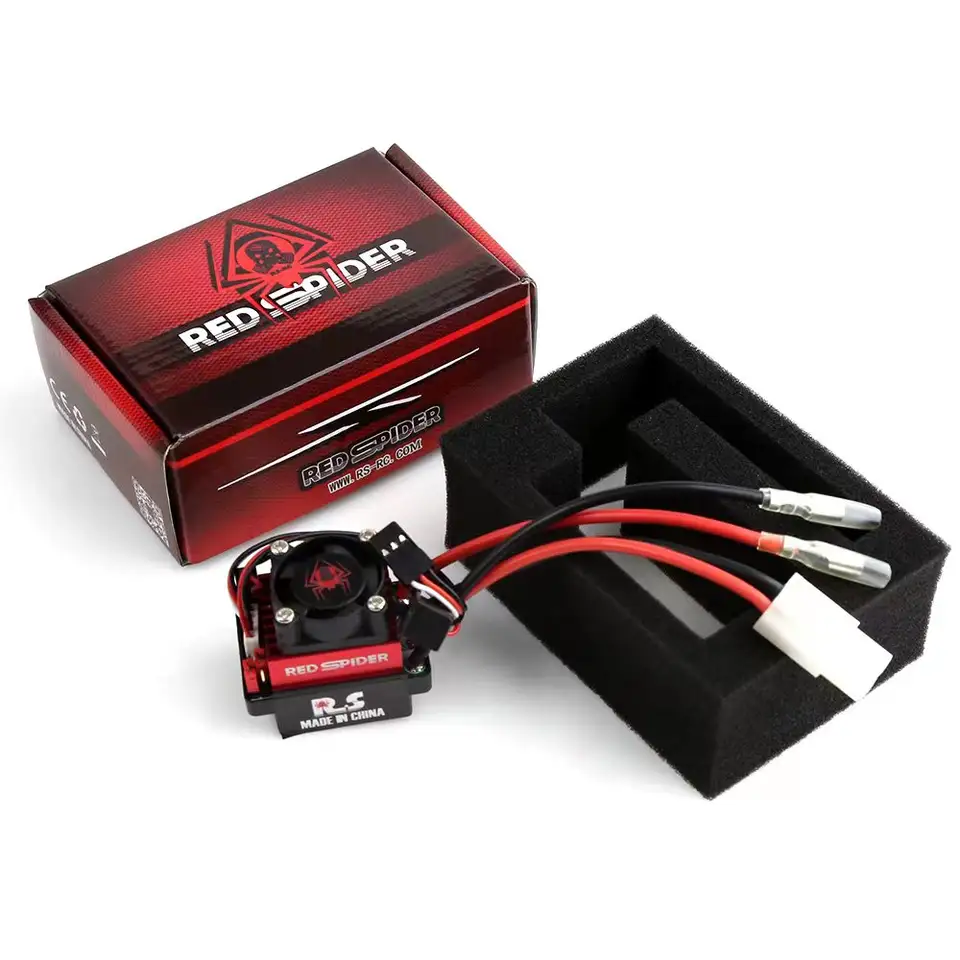
$29.51
Free shippingEst. delivery 10-17 days
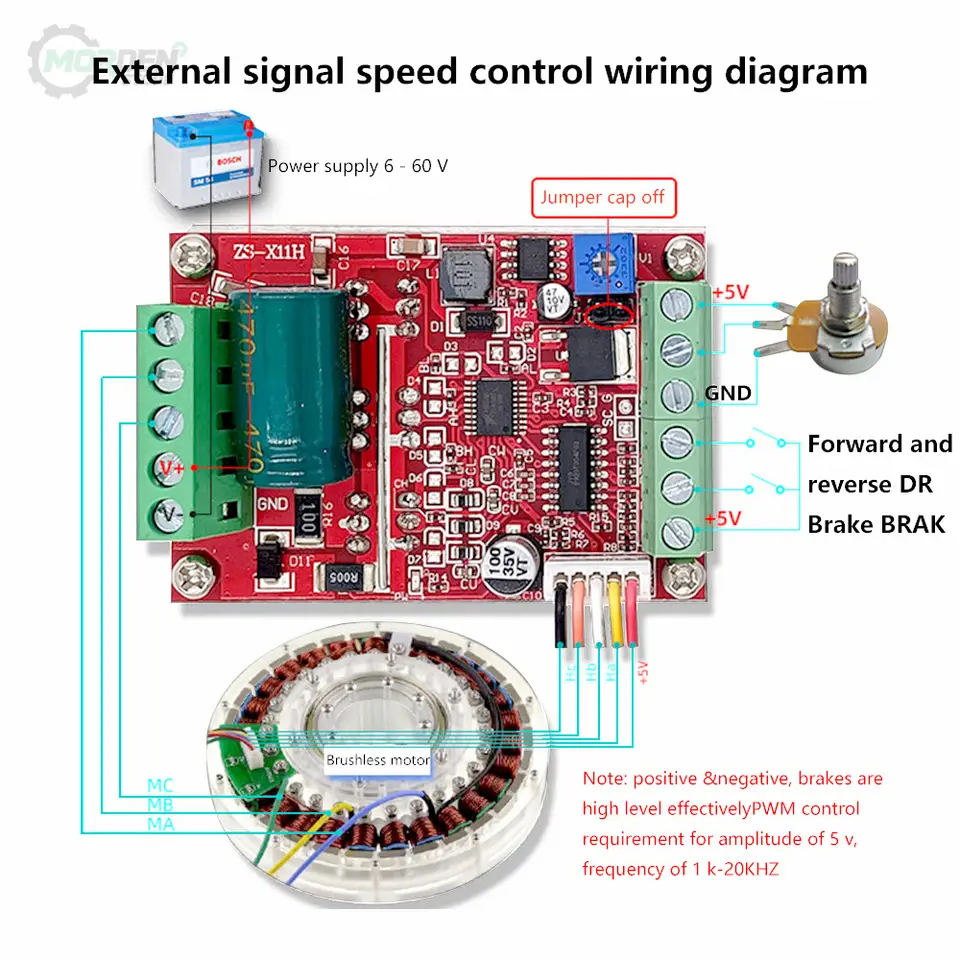
$29.76
Free shippingEst. delivery 10-15 days
From$2.53
Est. delivery 10-17 days
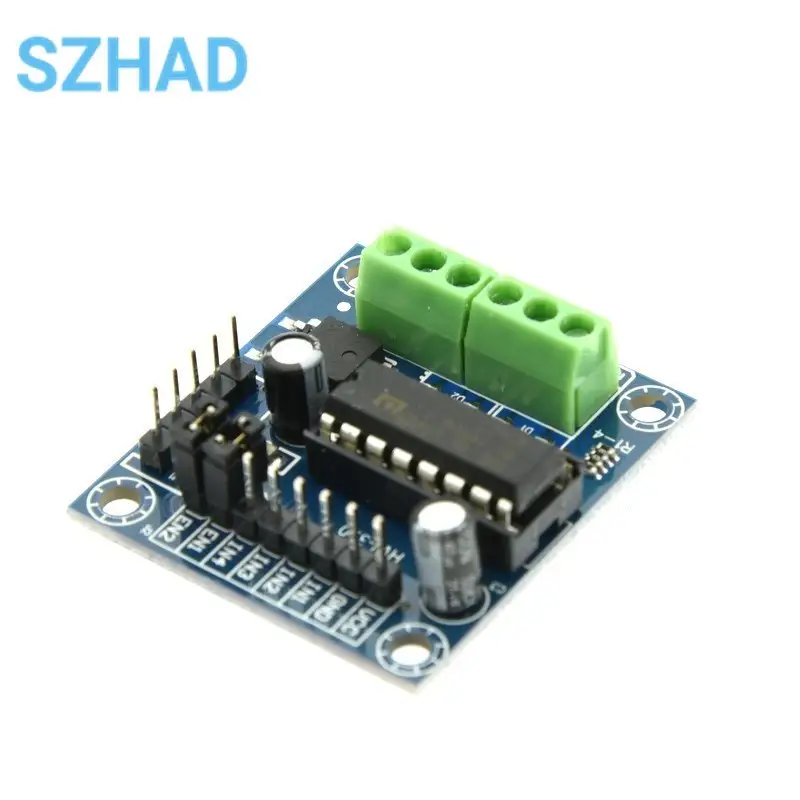
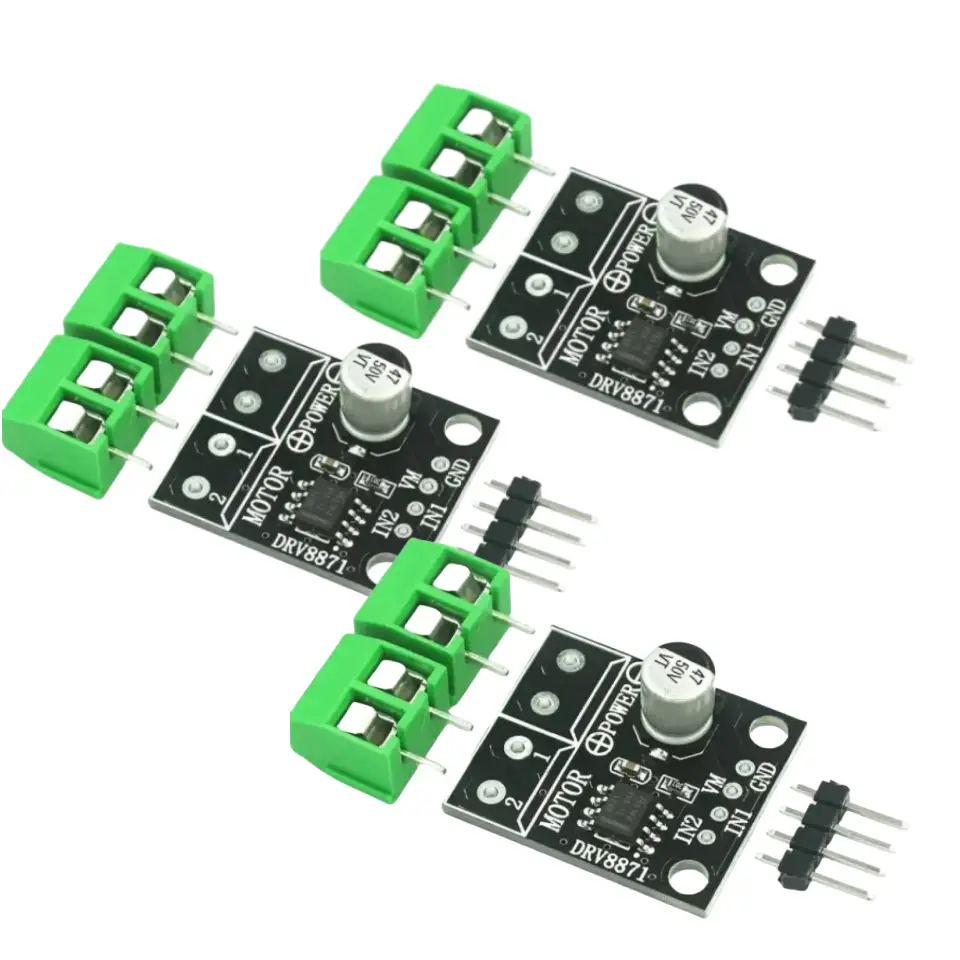
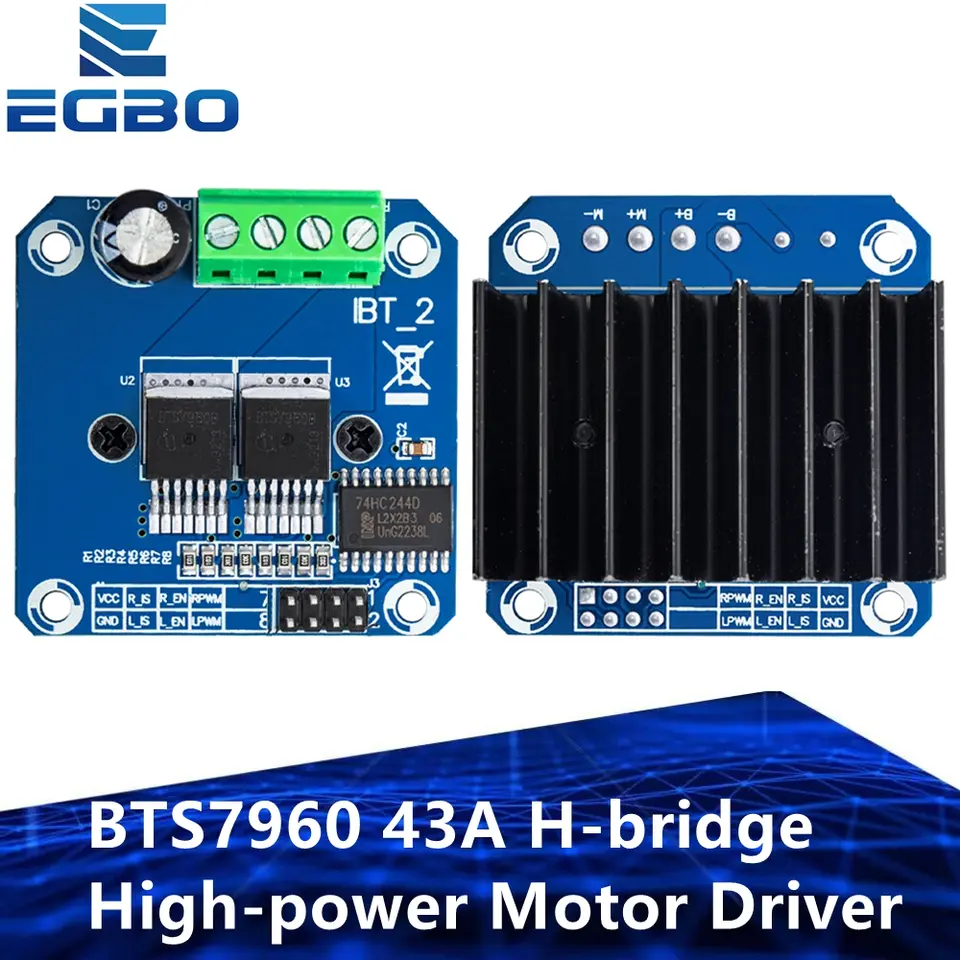
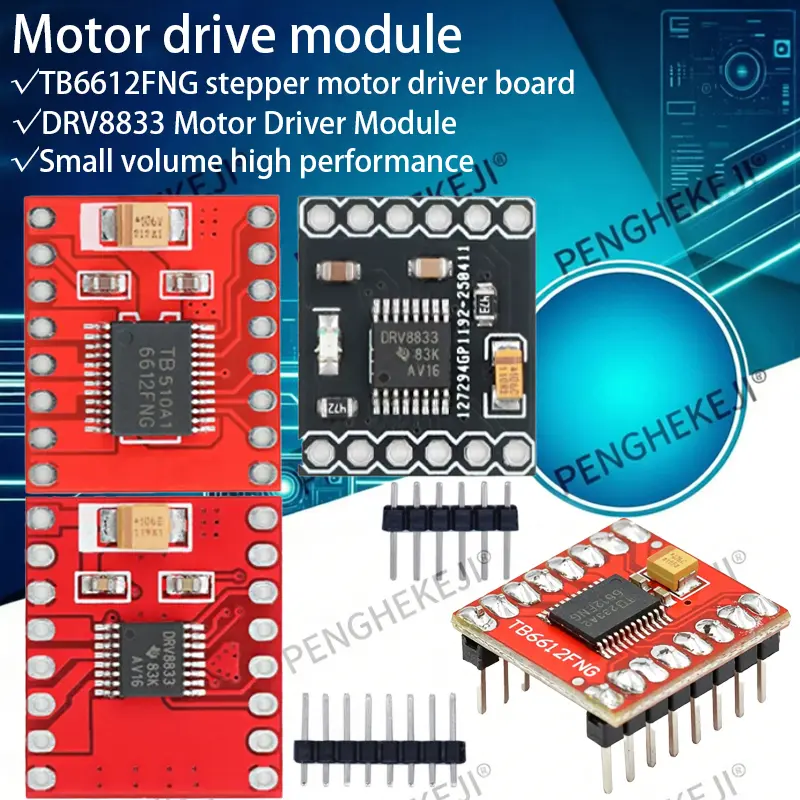
A microcontroller pin can't power a motor, so a driver sits between them: it switches the motor's own supply on the controller's command and reverses it to change direction. Most brushed DC motor drivers are H-bridges. Small boards such as the L9110S and MX1508 suit toy motors and TT gear motors, the L293D shield runs four DC motors from an Arduino Uno, and the TB6612FNG on the micro:bit board is a more efficient choice for small robots. For bigger motors, the DRV8871 handles up to 3.6 A peak, the XY-160D 7 A per channel and the BTS7960 module 43 A.
Brushless motors need a three-phase driver instead. The ZS-X11H and the hall-free brushless board drive BLDC motors from 6 to 60 V and 12 to 36 V, and the MKS Dual FOC board runs two brushless motors with SimpleFOC for smooth, precise position control. To choose a driver, start from the motor: its voltage, its running current and above all its stall current, which the driver has to survive whenever the motor starts or jams. Then check the driver's logic voltage against your 3.3 V or 5 V board, and plan a heat sink for anything that runs near its rating.
Quick checks before you order
Bipolar drivers like the L293D lose a volt or two across the chip, which turns into heat and slower motors. MOSFET drivers such as the TB6612FNG, DRV8871 and BTS7960 lose far less, so a small battery lasts longer.
Each brushed motor needs one H-bridge channel. A two-wheel robot needs a dual driver, and a four-wheel mecanum chassis needs four channels, from two dual boards or one four-motor shield.
Power the motors from their own supply, connect its ground to the controller's, and keep motor wires short and twisted. A capacitor across the motor supply helps absorb the spikes that can reset a microcontroller.
Buying guides
Tell us the part name or number, and we'll review it for the catalog.