
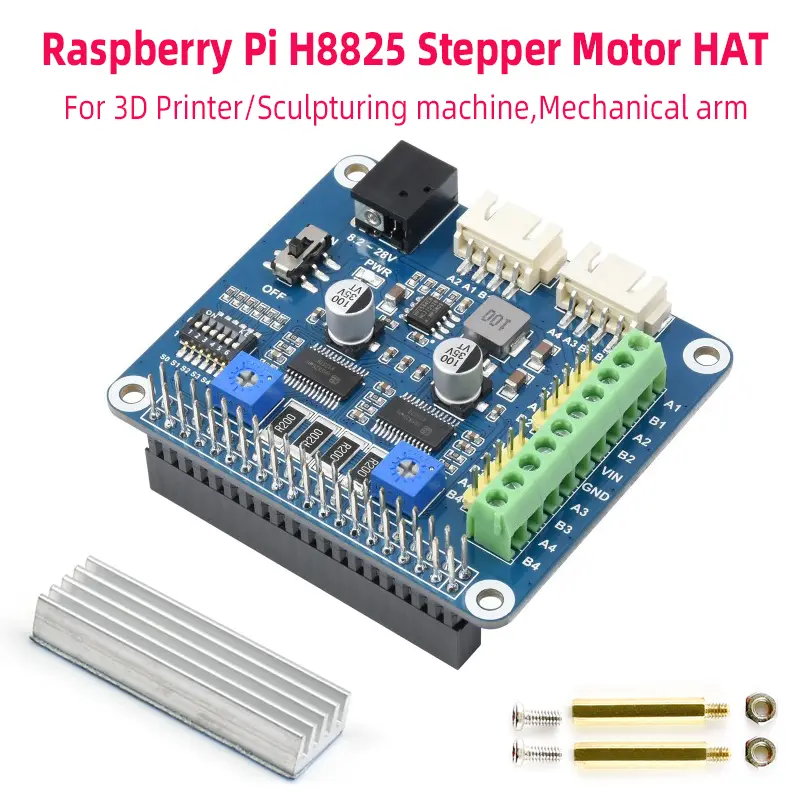
$37.58
Stepper Motor HAT for Raspberry Pi, Dual HR8825, Up to 1/32 Microstepping
Free shippingEst. delivery 8-14 days
Ships to CanadaPrices in CAD
18 results
$37.58
Free shippingEst. delivery 8-14 days
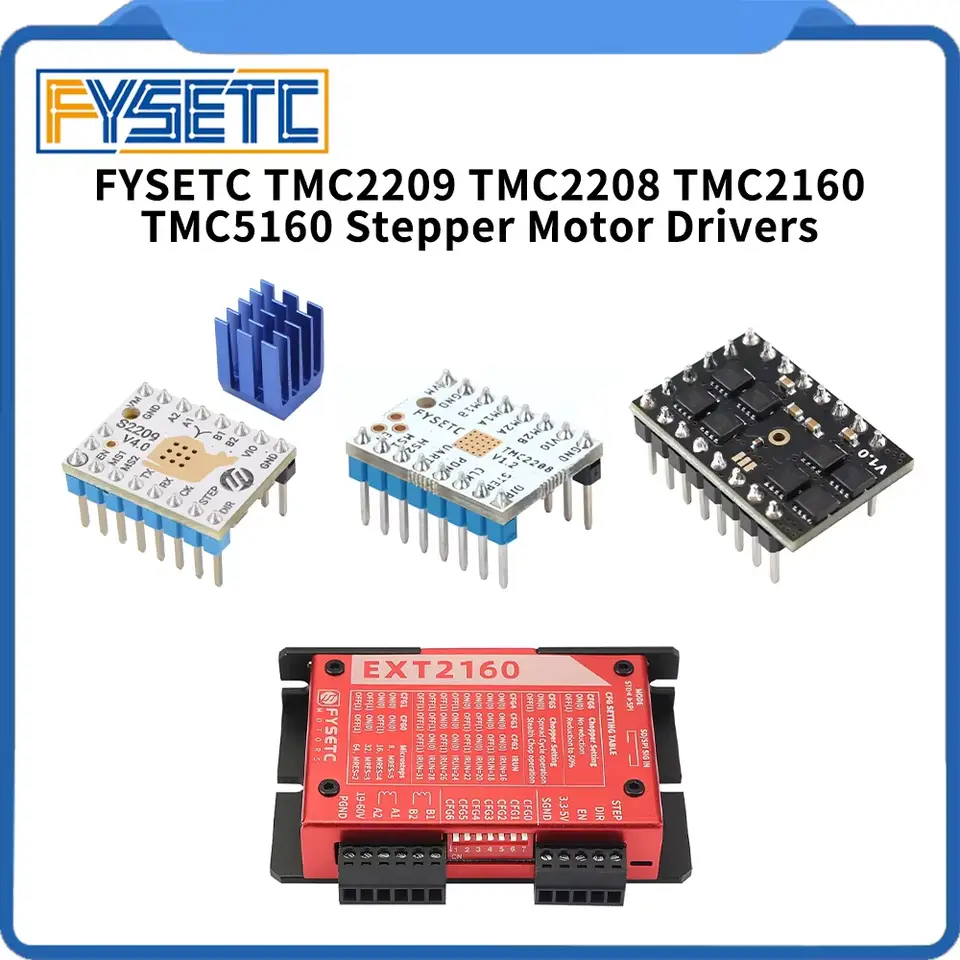
From$15.00
Est. delivery 10-17 days
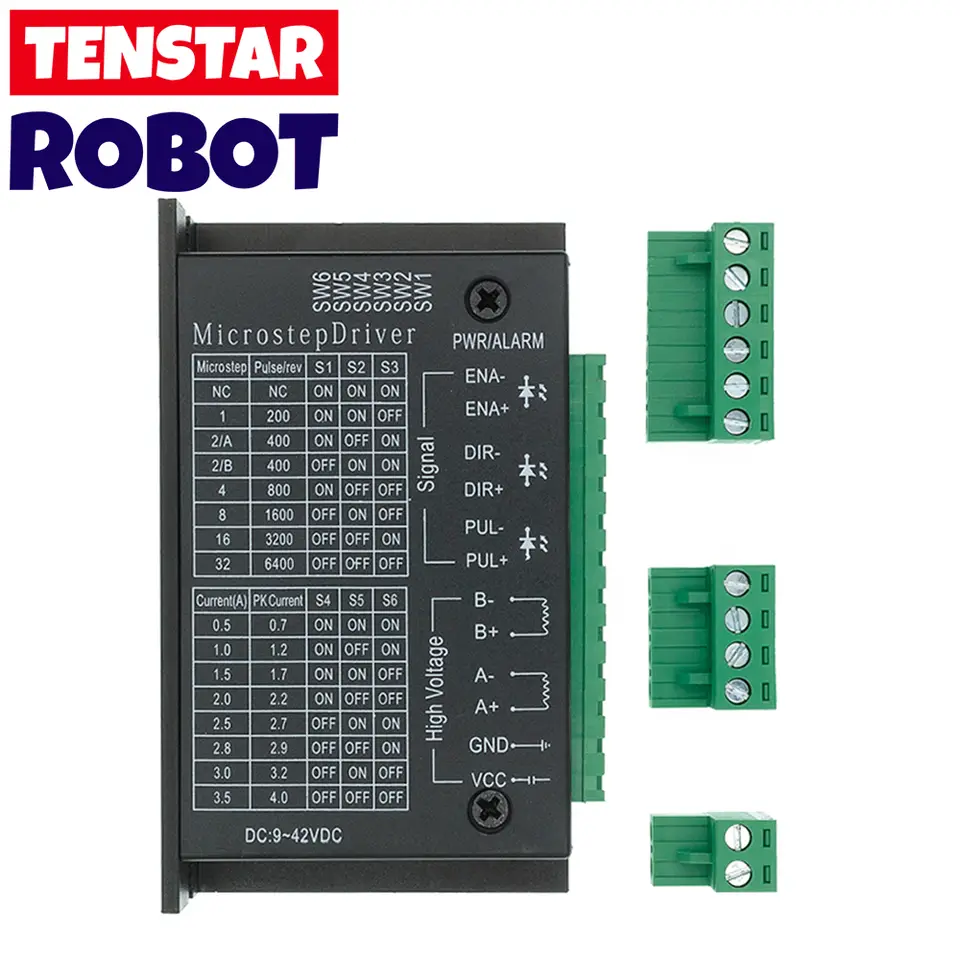
$14.51
Est. delivery 9-13 days
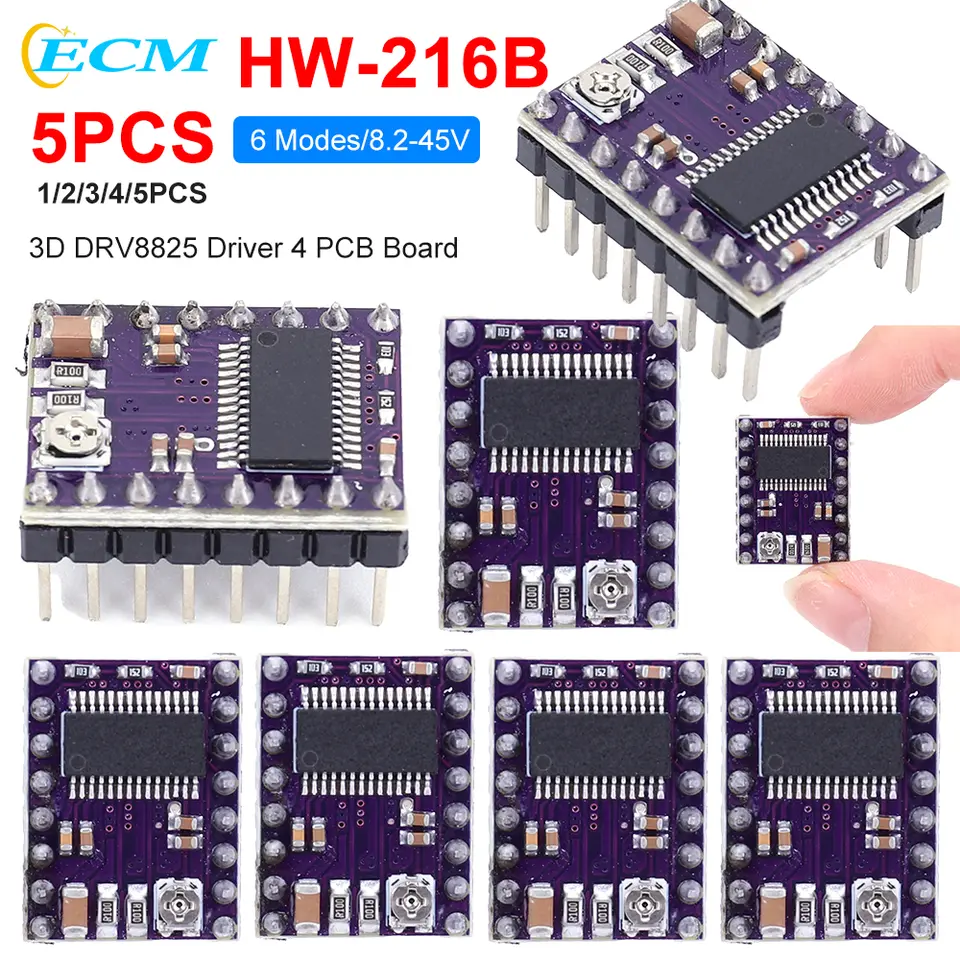
From$5.78
Est. delivery 9-14 days
From$14.40
Est. delivery 9-15 days

From$12.92
Est. delivery 8-13 days
From$13.90
Est. delivery 9-13 days
$20.85
Free shippingEst. delivery 9-13 days
$77.35
Free shippingEst. delivery 9-15 days
From$24.51
Est. delivery 11-19 days
From$18.17
Est. delivery 9-15 days
From$42.93
Free shippingEst. delivery 10-14 days
From$90.12
Est. delivery 10-22 days
From$100.91
Est. delivery 10-22 days
From$10.14
Est. delivery 9-14 days
$15.24
Est. delivery 8-13 days
$6.05
Est. delivery 9-13 days
$3.99
Est. delivery 8-14 days
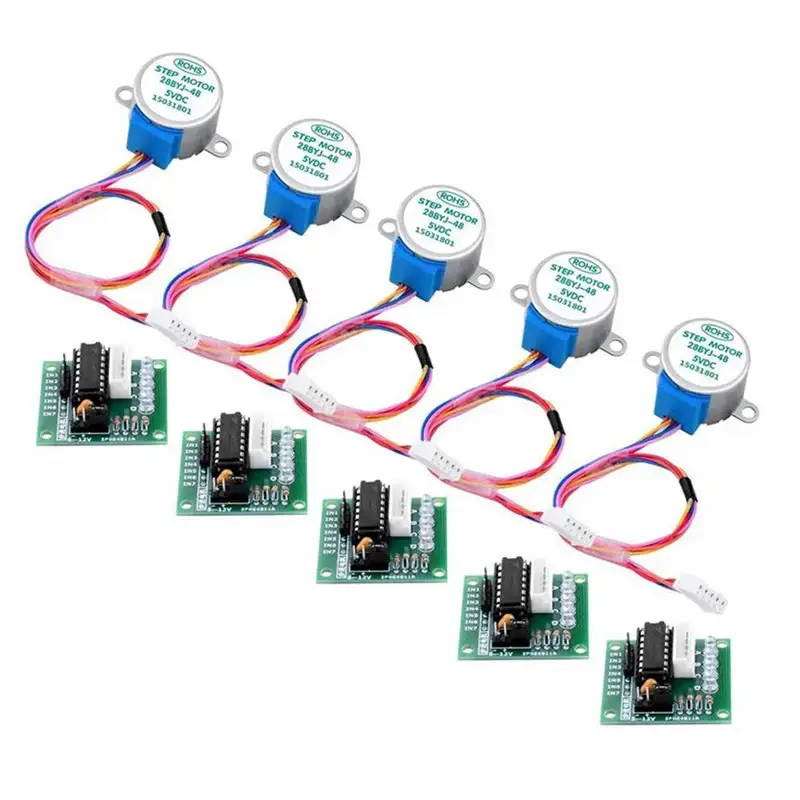
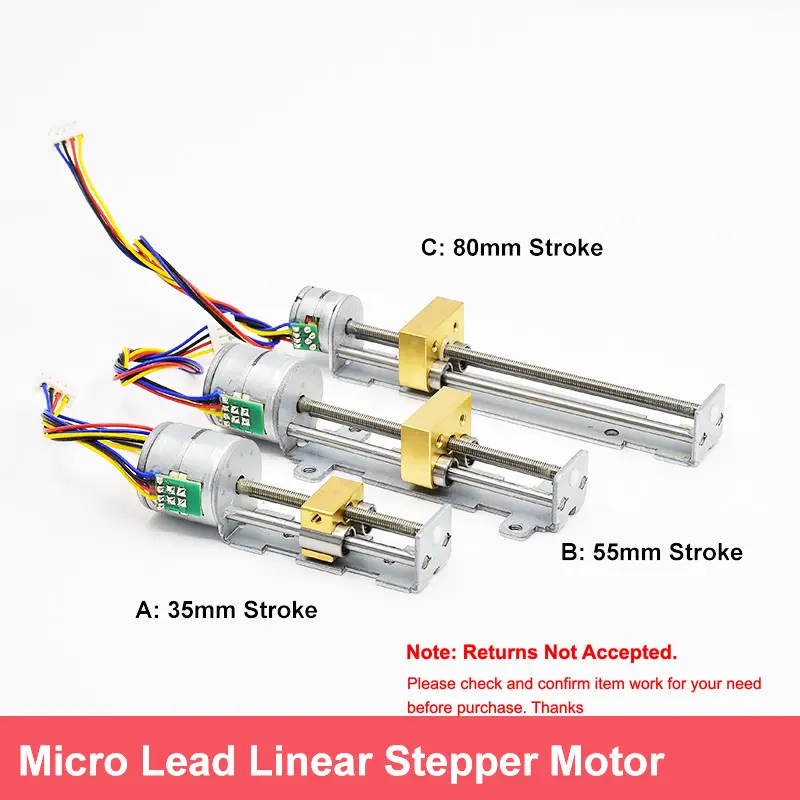
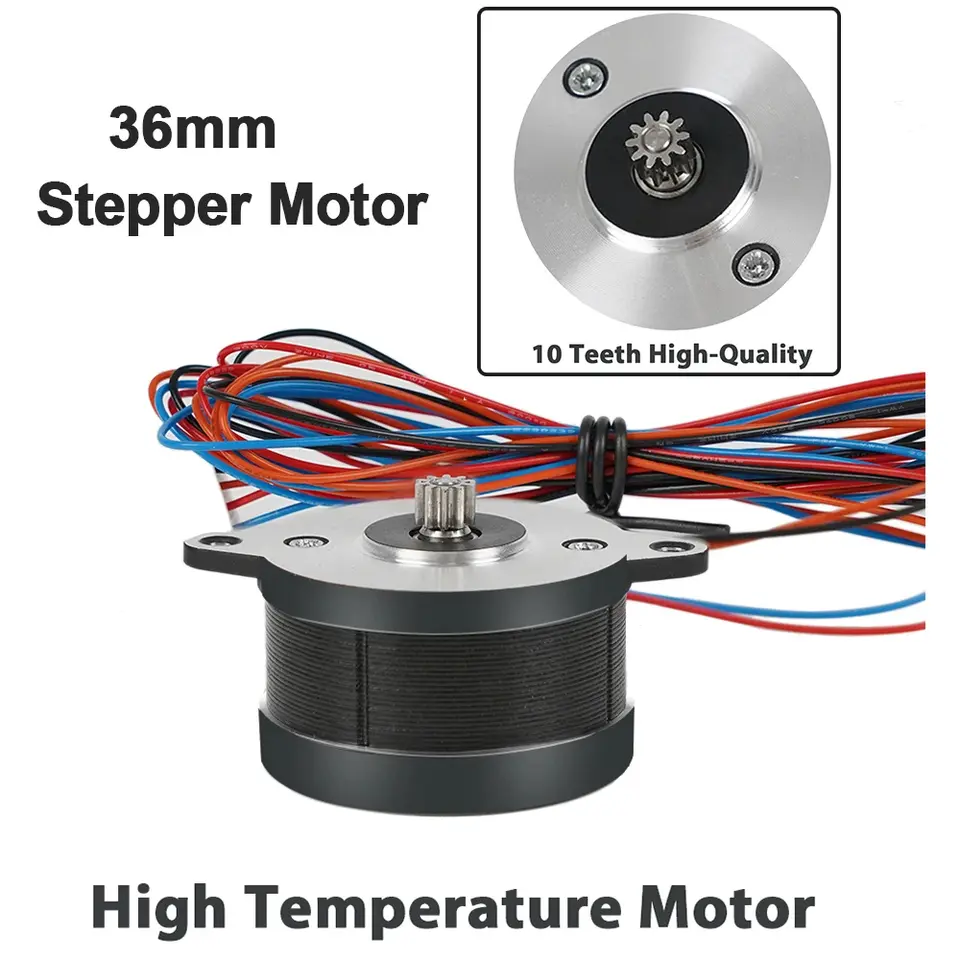
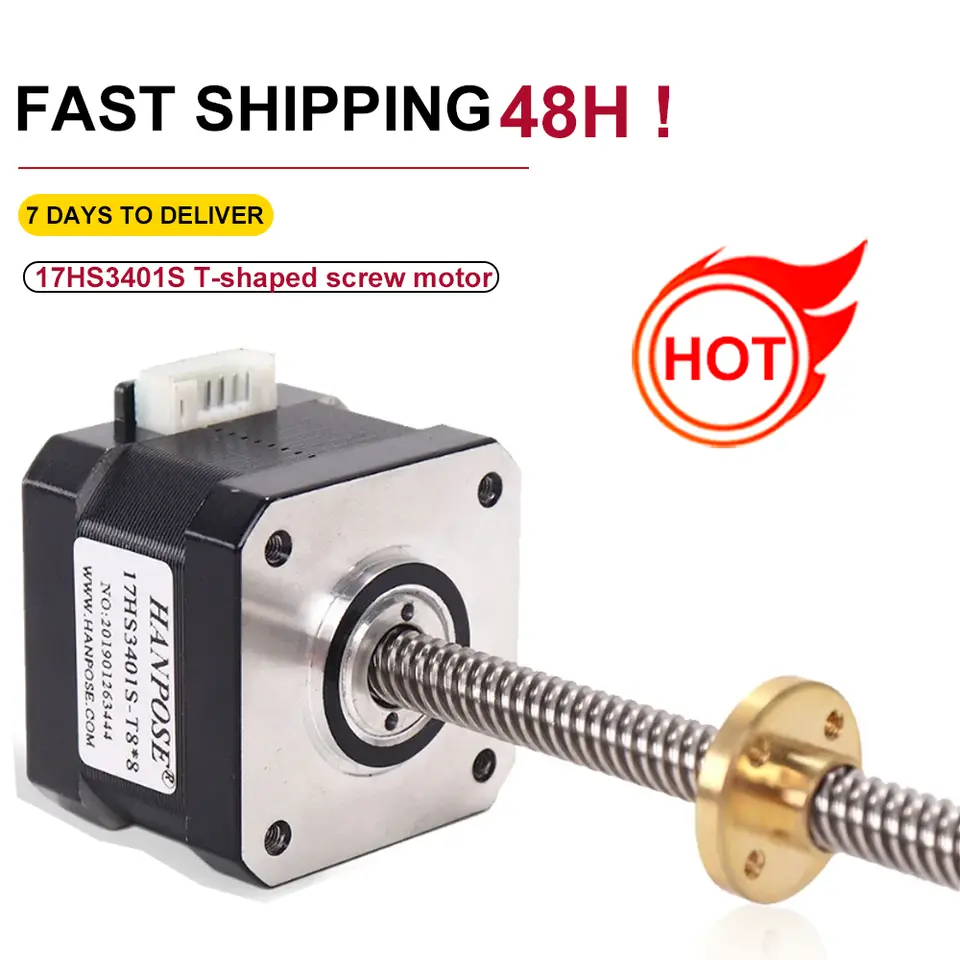
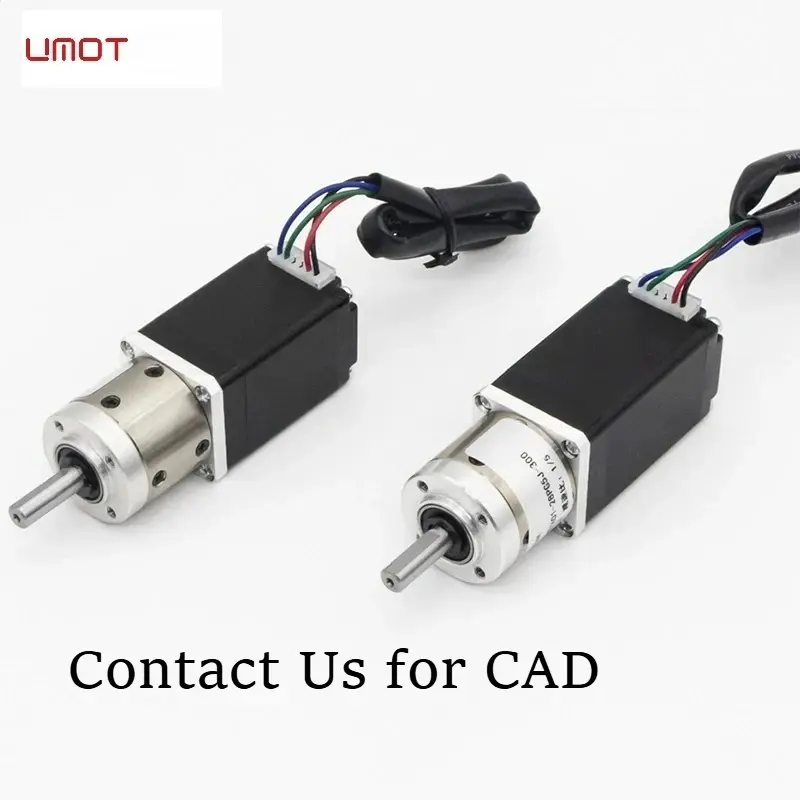
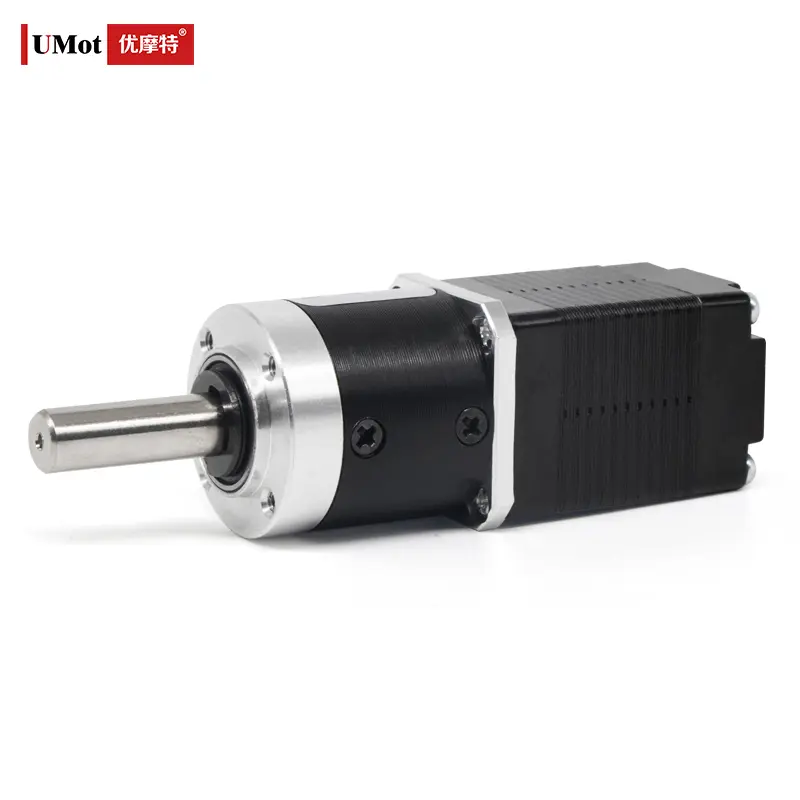
A stepper motor turns in fixed steps, so a controller can move it an exact distance without a position sensor. That's why 3D printers, CNC machines, camera sliders and plotters use them. NEMA sizes describe the faceplate, not the strength: a NEMA 17 motor is about 42 mm across, NEMA 14, 11 and 8 motors are smaller, and geared and pancake motors trade size for torque or length. Compare motors by holding torque, rated current per phase and body length. The 28BYJ-48 is different: a small 5 V geared motor sold with a ULN2003 board, slow but good for learning.
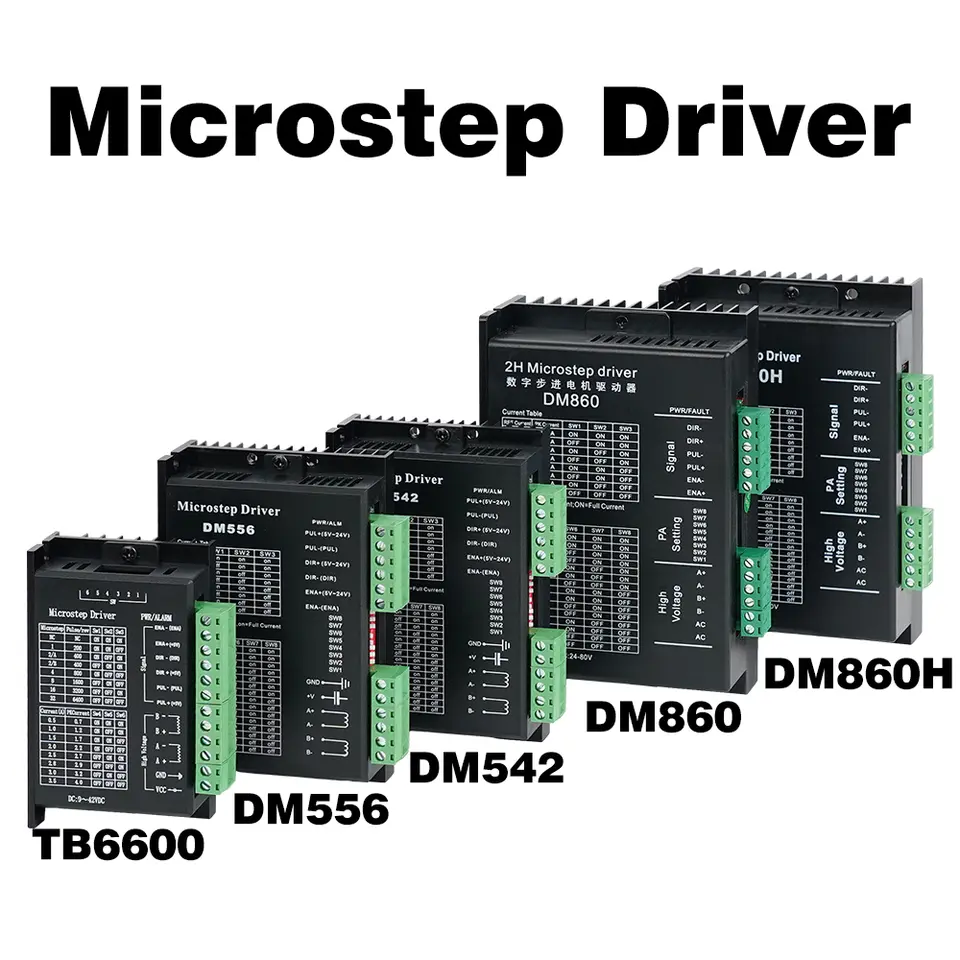
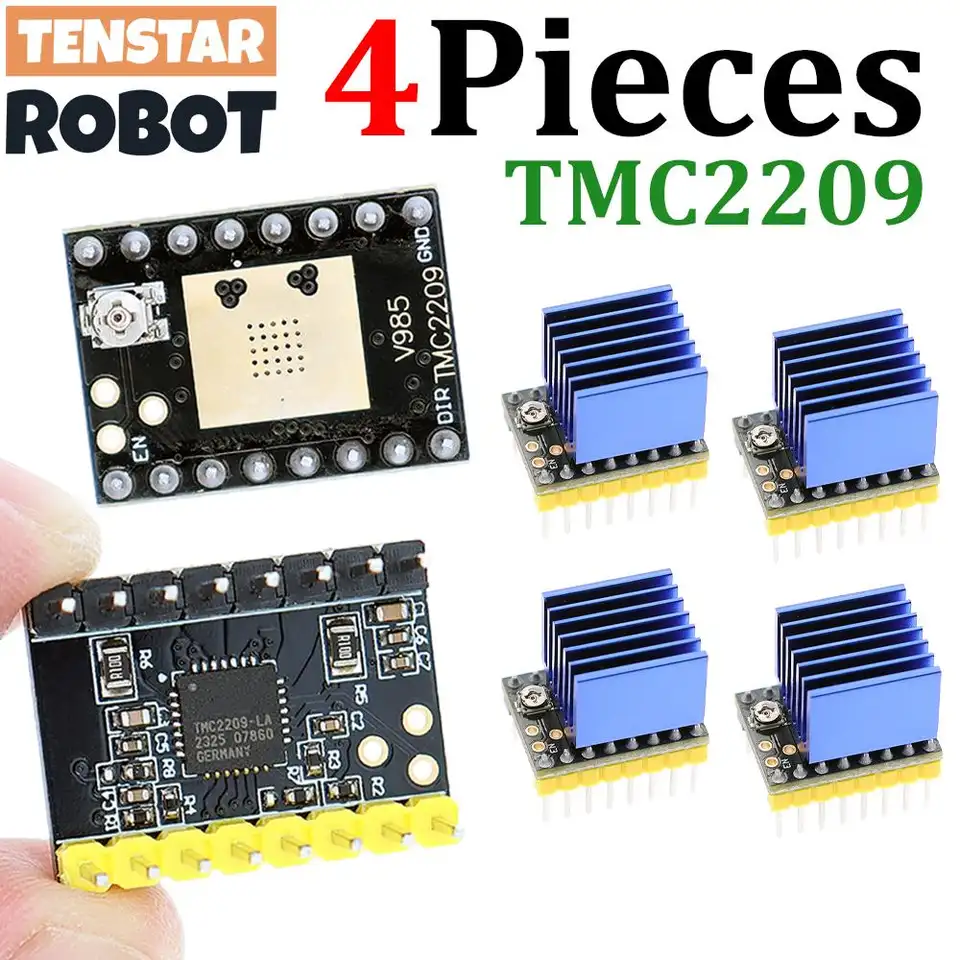
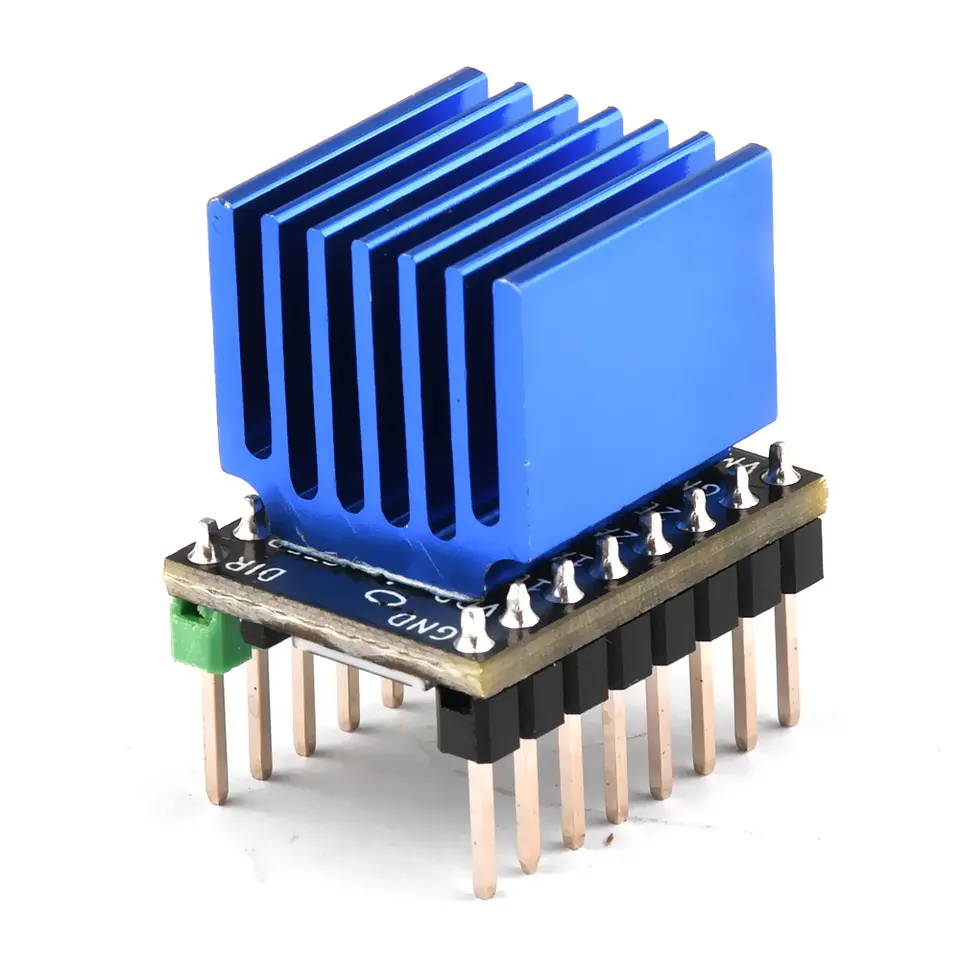
A stepper needs a driver that sets the coil current and turns step and direction pulses into motion. The A4988 is the simple, low-cost choice, and the DRV8825 handles a little more current and voltage. The TMC2209 is far quieter thanks to its StealthChop mode, can be set up over UART and supports sensorless homing; it costs more, and its settings take longer to learn. NEMA 23 and larger motors need a boxed driver such as a TB6600 or DM542. Whichever driver you choose, set its current limit to the motor's rated current before the first run.
Quick checks before you order
Check the motor's rated current per phase against what the driver can supply with cooling. A4988 and DRV8825 boards suit most NEMA 17 motors, and NEMA 23 motors need an external driver such as a TB6600. Fit a heat sink to any plug-in driver that runs near its limit.
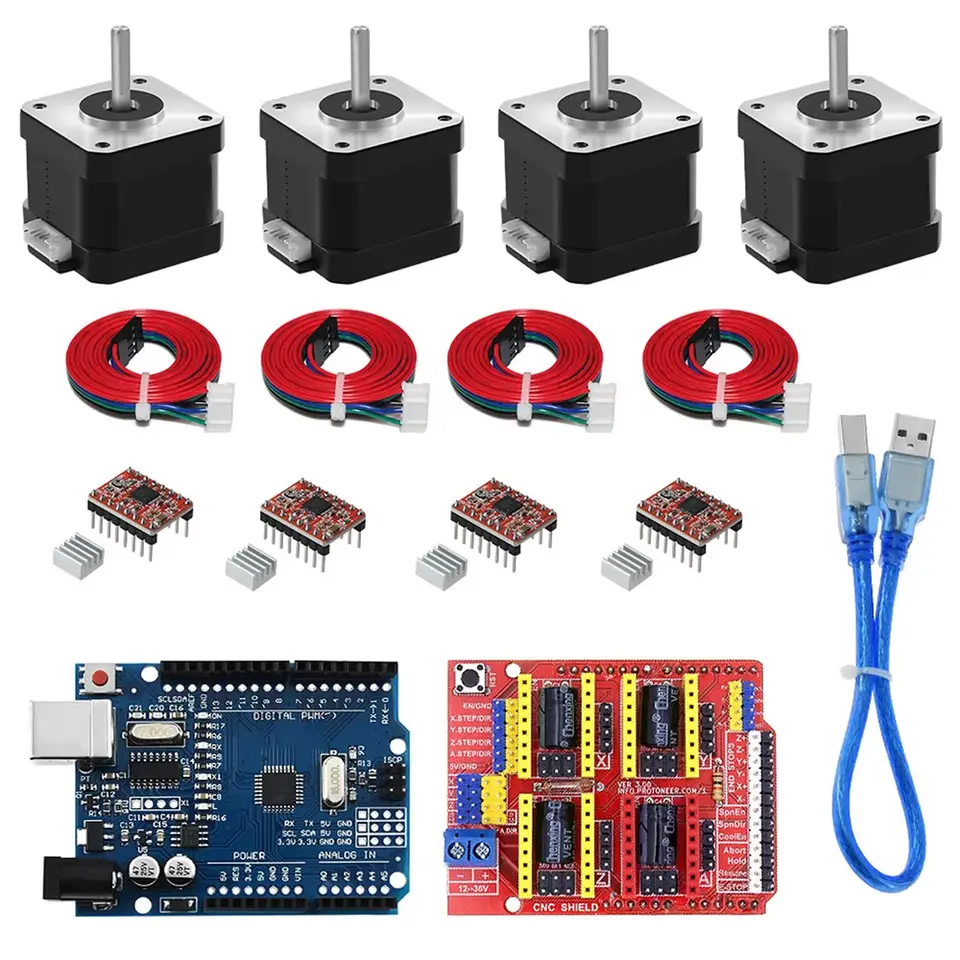
For a printer or a machine that runs near people, TMC2209 drivers are much quieter at low speed. For a learning project or a CNC shield on an Uno, A4988 and DRV8825 drivers cost less and need nothing set up beyond the current limit.
Find each coil pair with a multimeter before wiring: the two wires of a pair read a few ohms between them. Use a supply sized for every motor at once, and put a large capacitor across the driver's motor supply, as Pololu recommends.
Tell us the part name or number, and we'll review it for the catalog.