

Robotic arm kits and arm servos in Canada
10 results
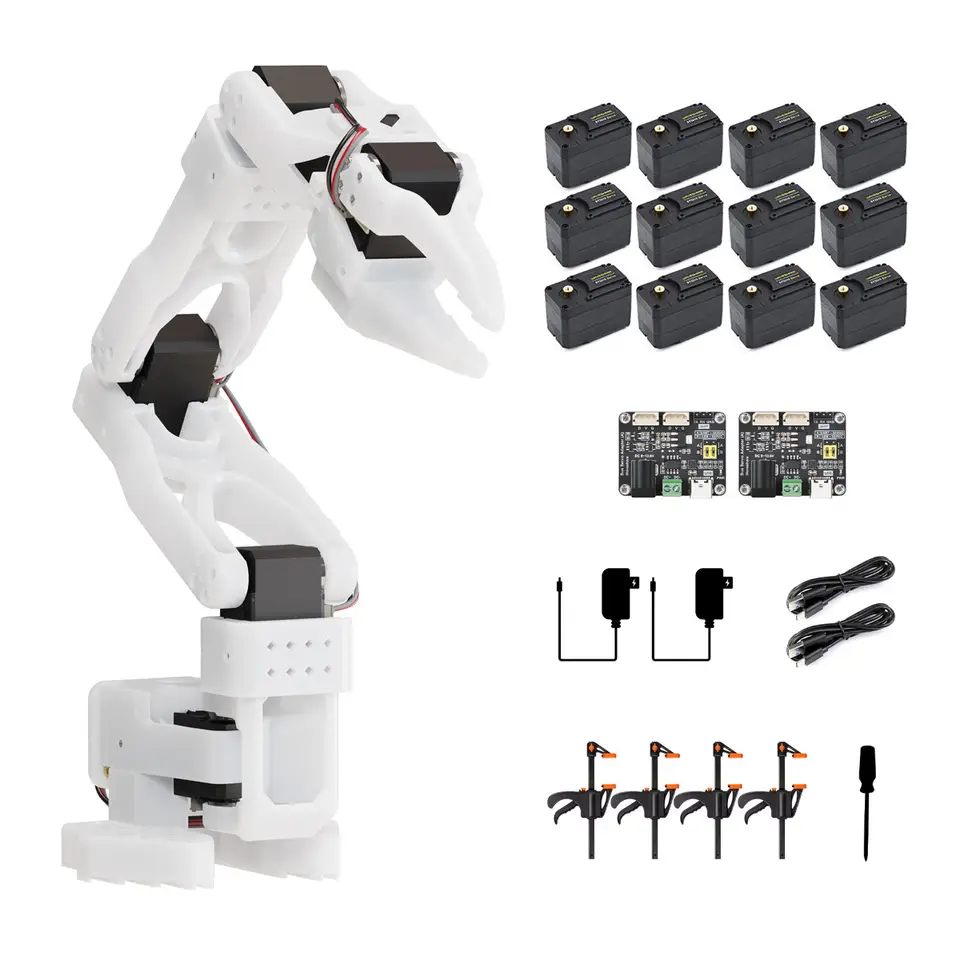
From$224.91
Waveshare SO-ARM100/101 Open-Source 6-Axis Robotic Arm Kit for Hugging Face LeRobot
Est. delivery 7-15 days
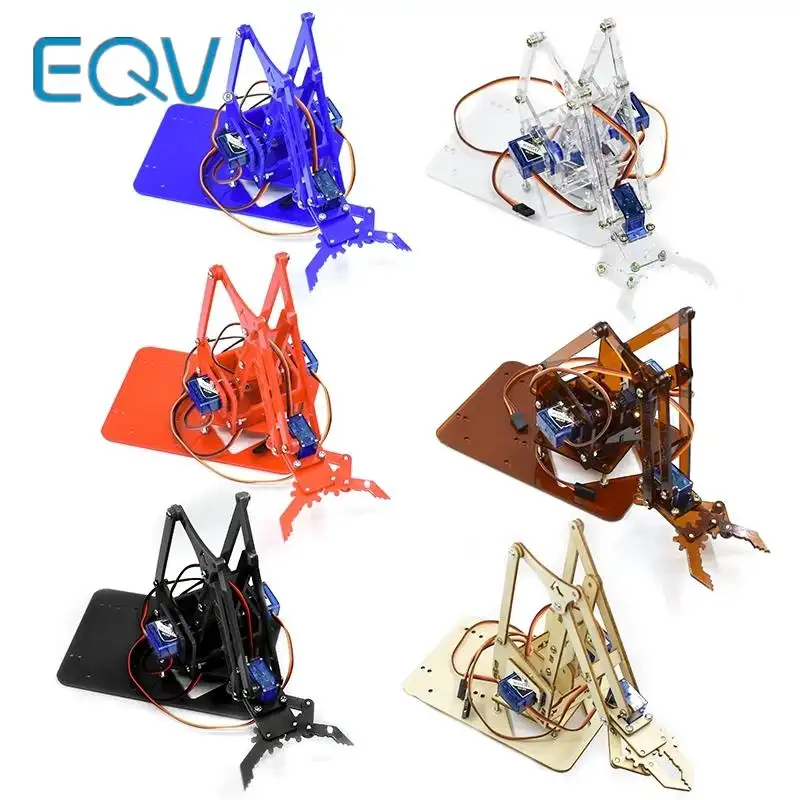
$32.45
4-DOF Robot Arm Kit with Claw, SG90 Servos, UNO R3 Board and Joystick Module
Est. delivery 6-16 days
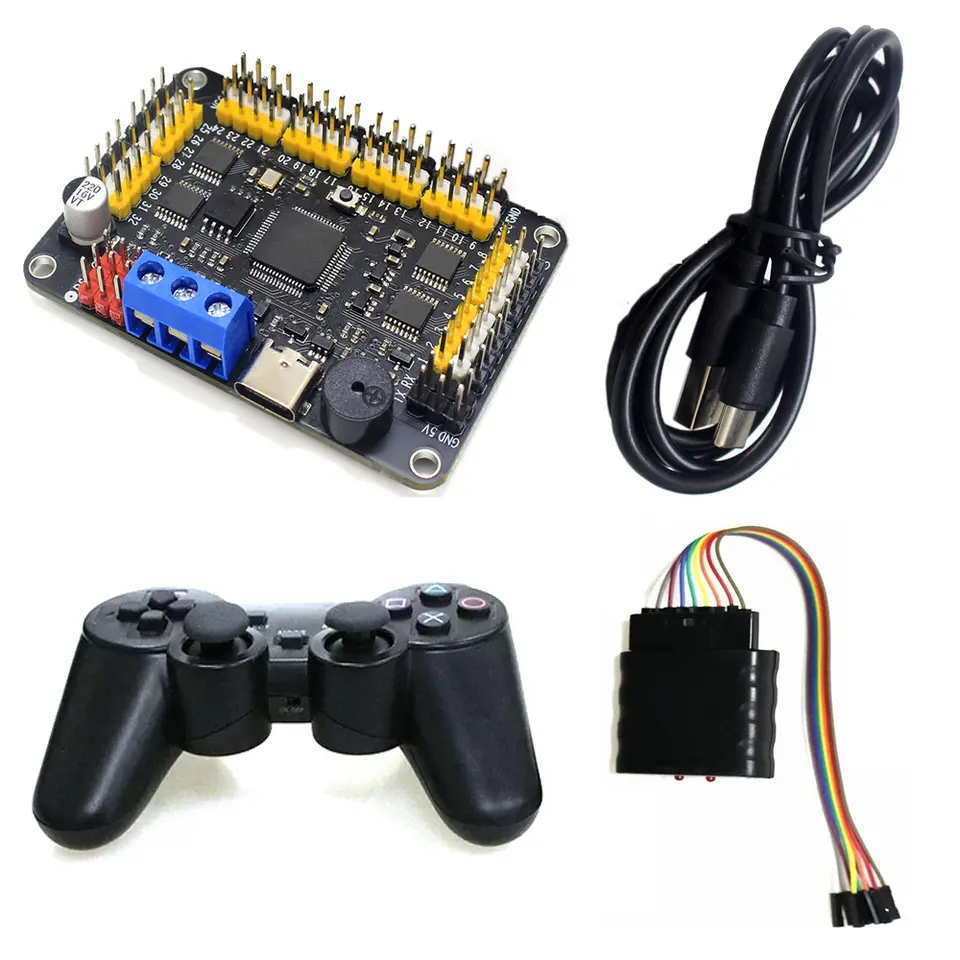
From$37.08
32-Channel Servo Control Board, 256 Action Groups, PC and PS2 Control, for Robot Arms
Est. delivery 10-17 days
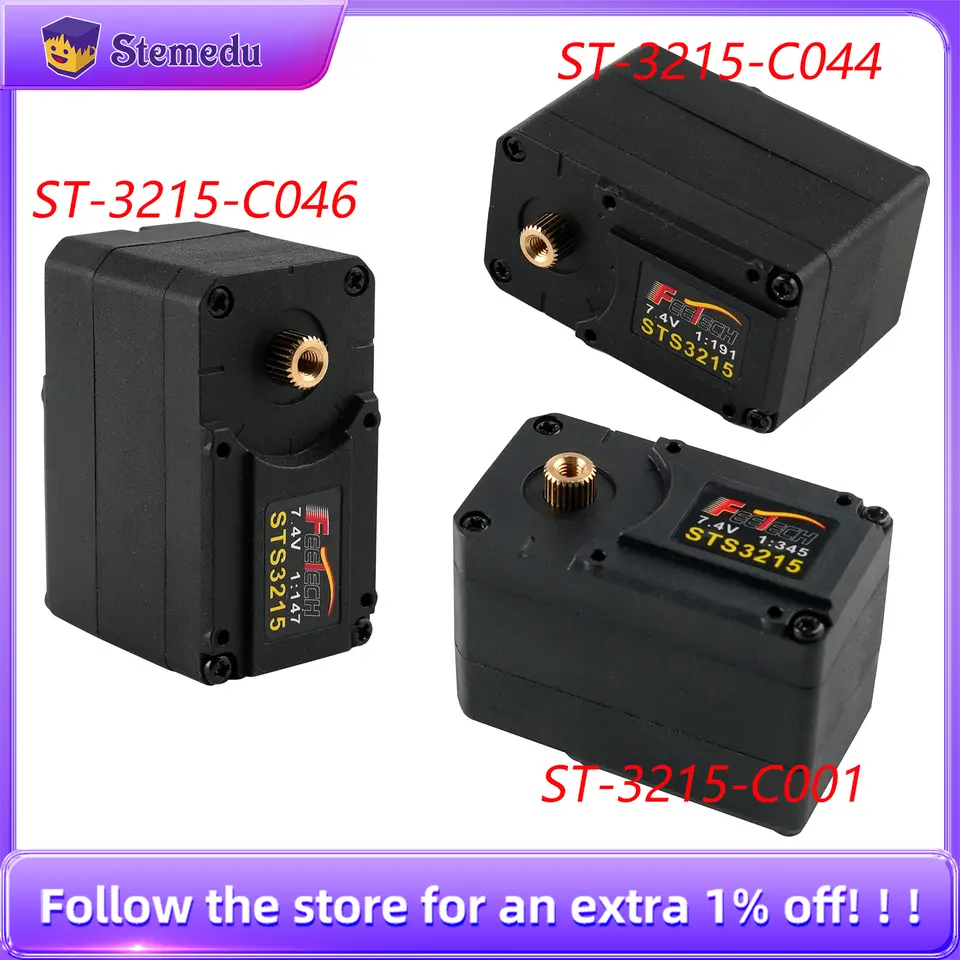
From$25.38
Feetech ST3215 Serial Bus Servo, 7.4V, 360° Magnetic Encoder, for SO-ARM100
Free shippingEst. delivery 8-14 days
From$26.83
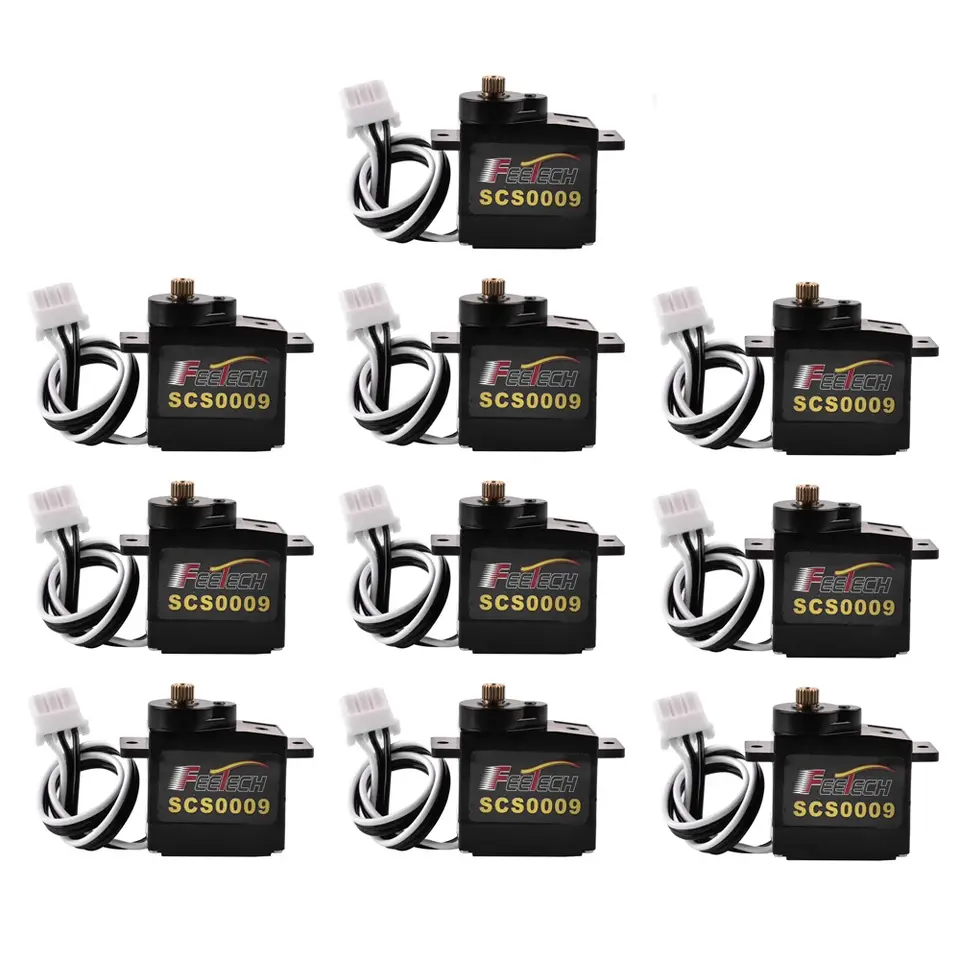
Feetech SCS0009 Serial Bus Micro Servo, 2.3 kg-cm, 300 Degree, TTL with Feedback
Free shippingEst. delivery 6-12 days
$40.25
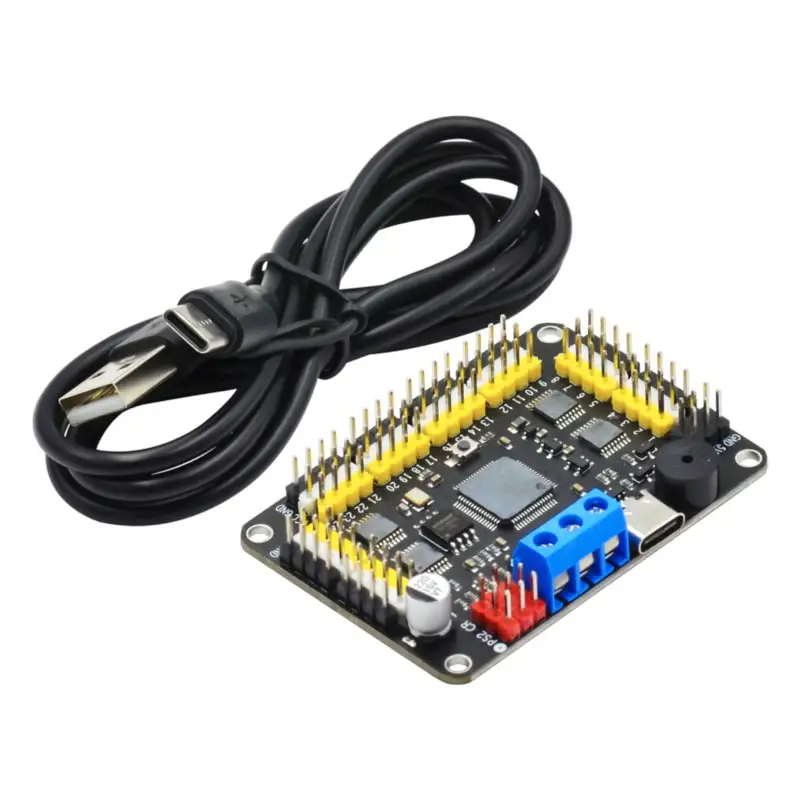
32-Channel Robot Servo Controller Board, USB/UART and PS2 Wireless Control
Free shippingEst. delivery 10-16 days
$24.39
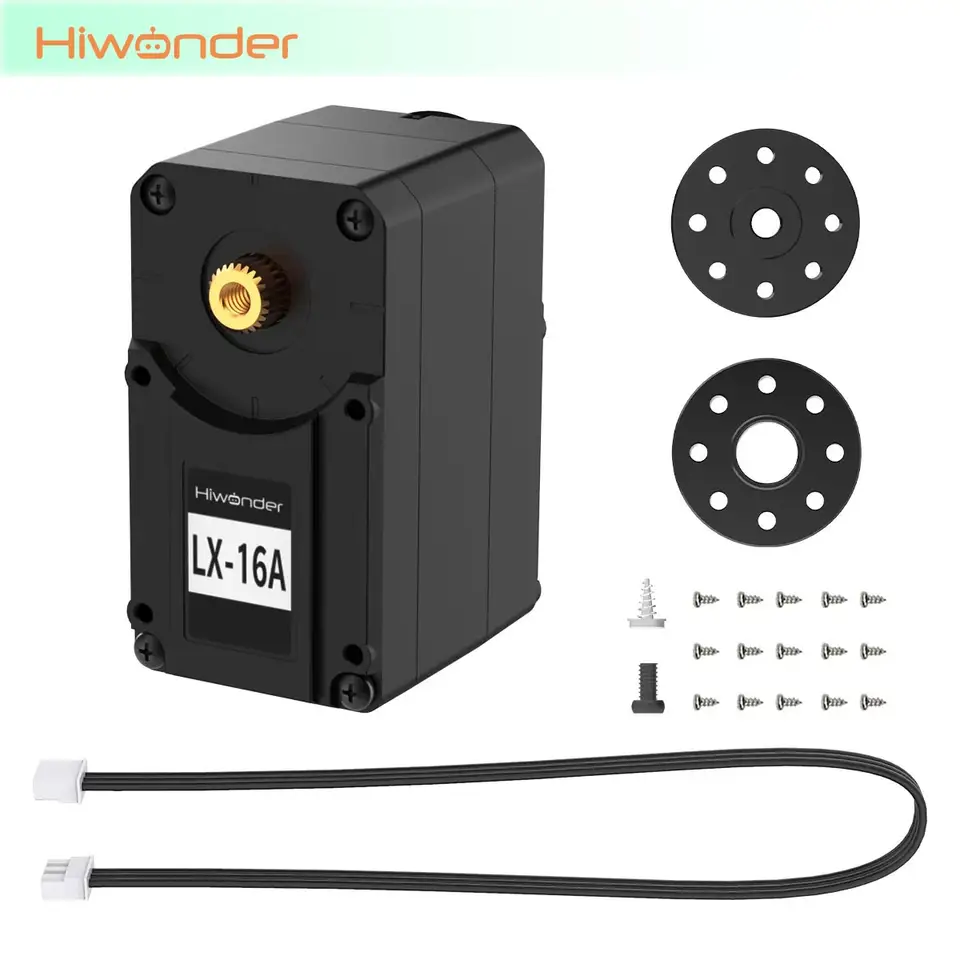
Hiwonder LX-16A Serial Bus Servo, 20kg·cm, Metal Gears, Dual Shaft, Angle Feedback
Est. delivery 8-15 days


About Robotic Arms
The arm kits here fall into two groups. Classroom kits, such as the 4-DOF arm with SG90 servos, an Uno-compatible board and a joystick module, or the 6-DOF arm with 2 mm aluminum brackets (sold with or without MG996R servos), move with ordinary PWM servos. They teach joint angles, coordinated motion and inverse kinematics for a modest price. The Waveshare SO-ARM100/101 kit is the open-source arm used with Hugging Face's LeRobot: its joints are Feetech serial bus servos that report their positions, which is what training an arm from recorded demonstrations needs.
Degrees of freedom are the number of joints. Four is enough to pick and place on a desk; six lets the gripper reach a point and also choose its angle. The shoulder carries the most load, so it needs the strongest servo, and a longer reach lowers what the arm can lift.
Budget for what a kit leaves out, and check whether servos, a controller and a power supply are included. An arm of six MG996R servos can draw several amps when its joints start together, so use a 5 to 6 V supply rated for that rather than USB power. A multi-channel servo controller board stores motion sequences and runs an arm without a computer, and a bus servo driver board connects serial bus servos to a PC, Raspberry Pi or ESP32.
Quick checks before you order
- Count the joints (degrees of freedom) and check the payload
- Check whether servos, a controller and a power supply are included
- Size the power supply for every servo moving at once
Start with degrees of freedom and payload
A 4-DOF arm can pick and place on a desk; a 6-DOF arm can reach and orient objects more freely. Check the payload the kit is designed for, and remember that a longer reach lowers what the arm can lift.
Plan the servos, power and controller
Some kits include servos and some don't, so read the listing. The shoulder carries the most load and usually needs the strongest servo. Budget for a power supply that can run every servo at once, plus a controller or servo driver board.
Match the arm to the use
For classroom demos and learning, a PWM servo arm is simple and affordable. For teaching by demonstration or AI projects, arms built on serial bus servos, such as the open-source SO-101, report their joint positions back to the computer.
Questions about Robotic Arms
- Do the arm kits include servos?
- It depends on the listing. The 4-DOF kit comes with SG90 servos, the 6-DOF aluminum arm is sold with or without MG996R servos, and the SO-ARM kit lists what each option includes. Check the option you choose before you order.
- What power supply does a servo arm need?
- One that can deliver the current of every servo moving at once. A four-joint SG90 arm needs about 2 to 3 A at 5 V; a six-joint MG996R arm needs several amps at 6 V. Bus servo arms run at their servos' rated voltage, 7.4 V or 12 V.
- What is LeRobot?
- Hugging Face's open-source library for training robots from demonstrations. The SO-100 and SO-101 arms are low-cost hardware it supports: you record motions by moving a leader arm by hand, then train a policy that a follower arm runs.
Can't find the part you need?
Tell us the part name or number, and we'll review it for the catalog.