
From$7.91
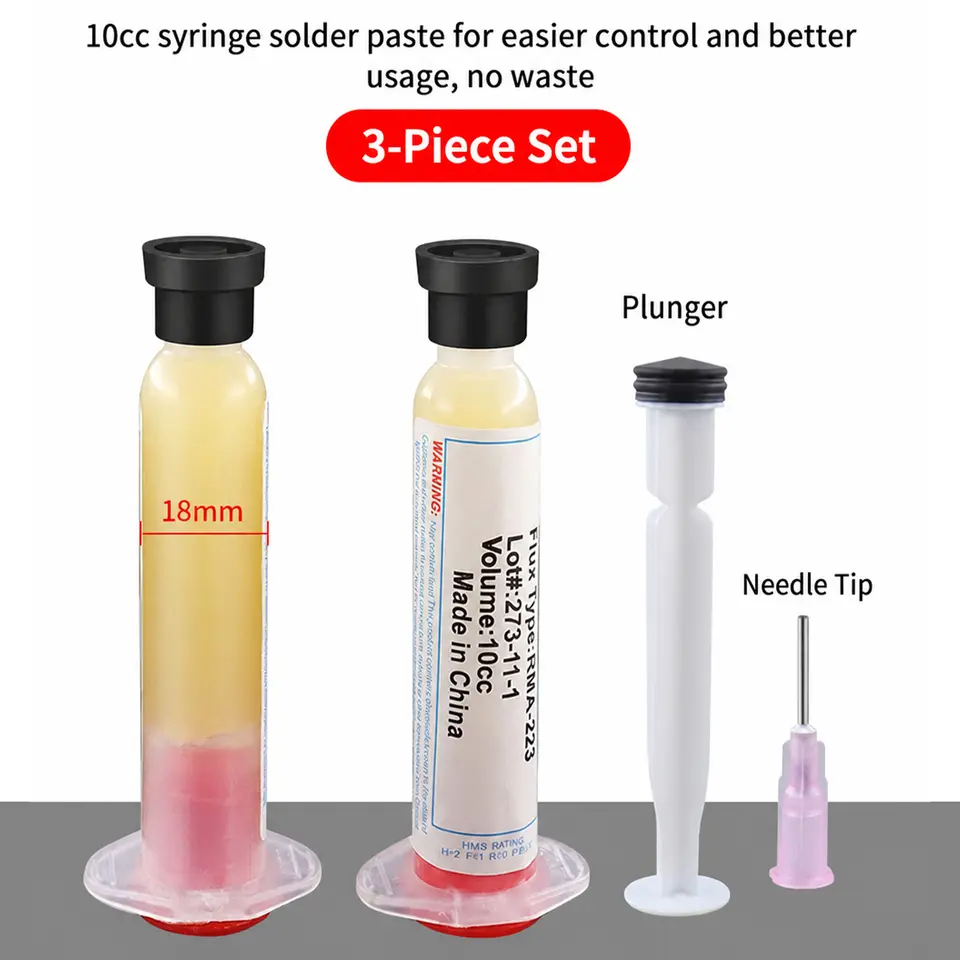
No-Clean Soldering Flux Syringe with Plunger and Needle Tip, for BGA and PGA
Est. delivery 7-15 days
Ships to CanadaPrices in CAD
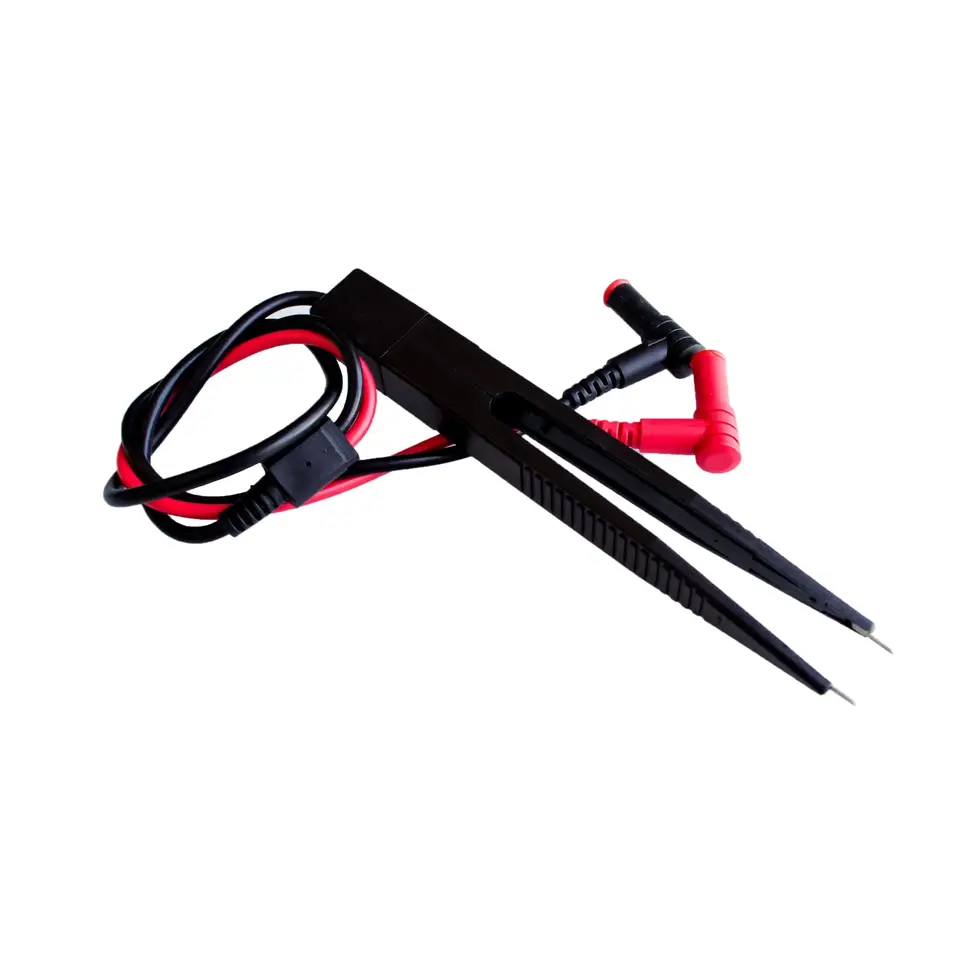
Multimeters, soldering stations, solder, desoldering tools, precision screwdrivers, tweezers and fume extraction for electronics work.
152 results
From$7.91
Est. delivery 7-15 days
$6.54
Est. delivery 7-16 days
From$14.51
Est. delivery 7-15 days
From$5.52
Est. delivery 7-16 days
From$8.36
Est. delivery 7-18 days
$6.42
Est. delivery 7-16 days
From$14.14
Est. delivery 11-21 days
From$9.32
Est. delivery 8-19 days
From$4.97
Est. delivery 7-16 days
$182.75
Est. delivery 7-23 days
From$6.22
Est. delivery 7-16 days
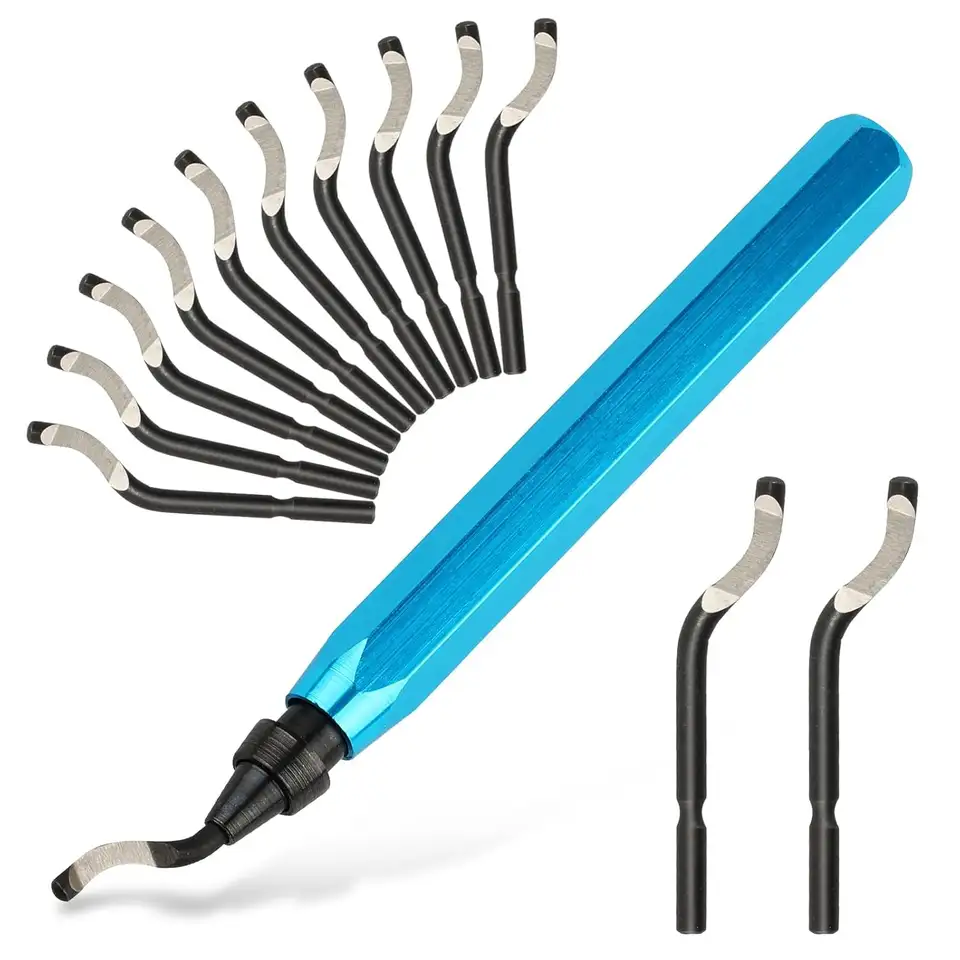
From$9.52
Est. delivery 8-19 days
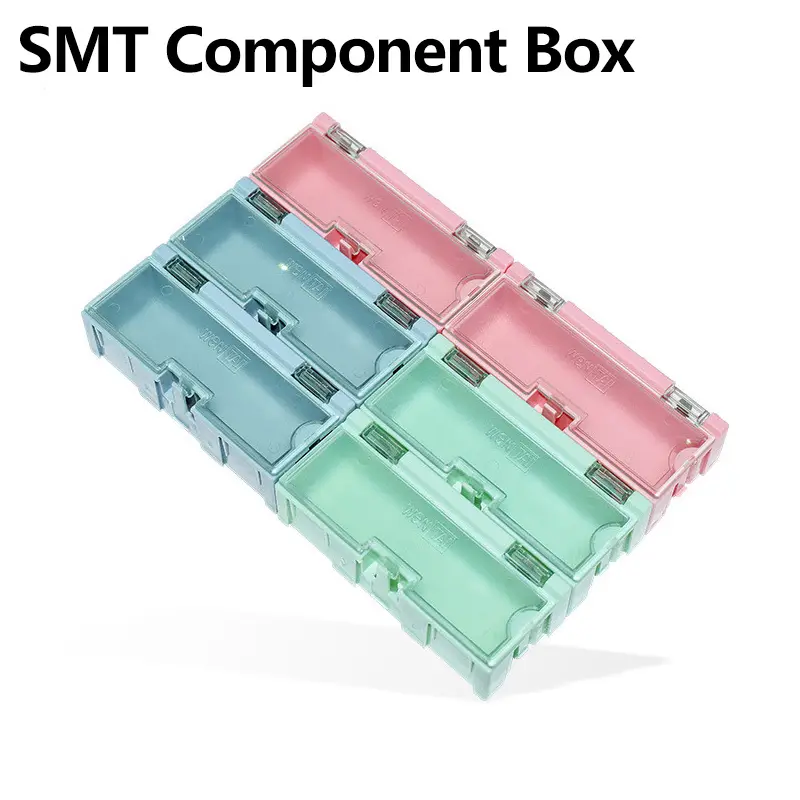
From$8.18
Est. delivery 7-19 days
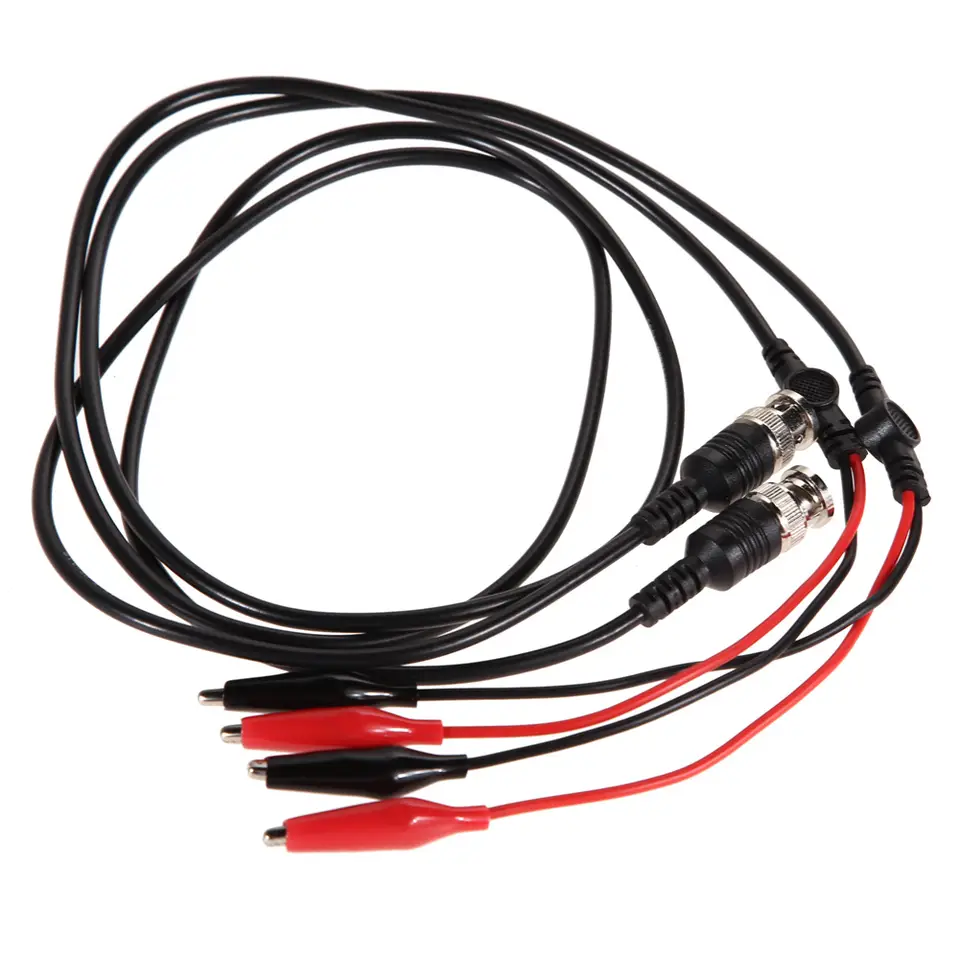
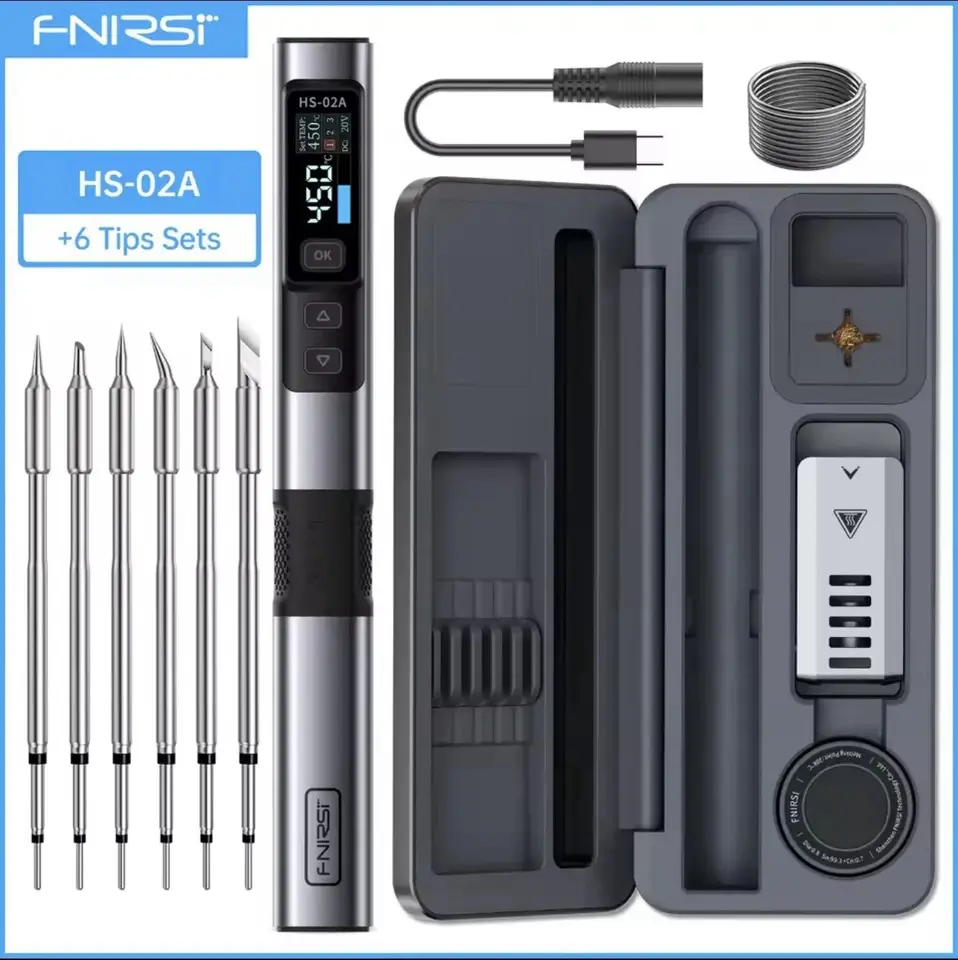
From$110.83
Est. delivery 9-20 days
From$7.58
Est. delivery 7-11 days
$10.99
Est. delivery 6-15 days
From$70.28
Free shippingEst. delivery 7-18 days
$13.53
Est. delivery 7-16 days
$8.05
Est. delivery 6-11 days
$13.78
Est. delivery 6-12 days
From$32.20
Est. delivery 9-23 days
Everything for the bench. Soldering gear runs from USB-C pen irons and a T12 iron to a station that takes 210, 245 and 115 handles, with replacement tips for T12 irons, TS100 and Pinecil irons and C245 handles, leaded and lead-free solder wire, solder paste, flux, desoldering braid and pumps, fume extractors and heat-resistant mats. For testing there are multimeters from UNI-T, ANENG, ZOYI and BSIDE, several of them True RMS, plus clamp meters, a handheld oscilloscope, logic analyzers, USB power testers and chip programmers.
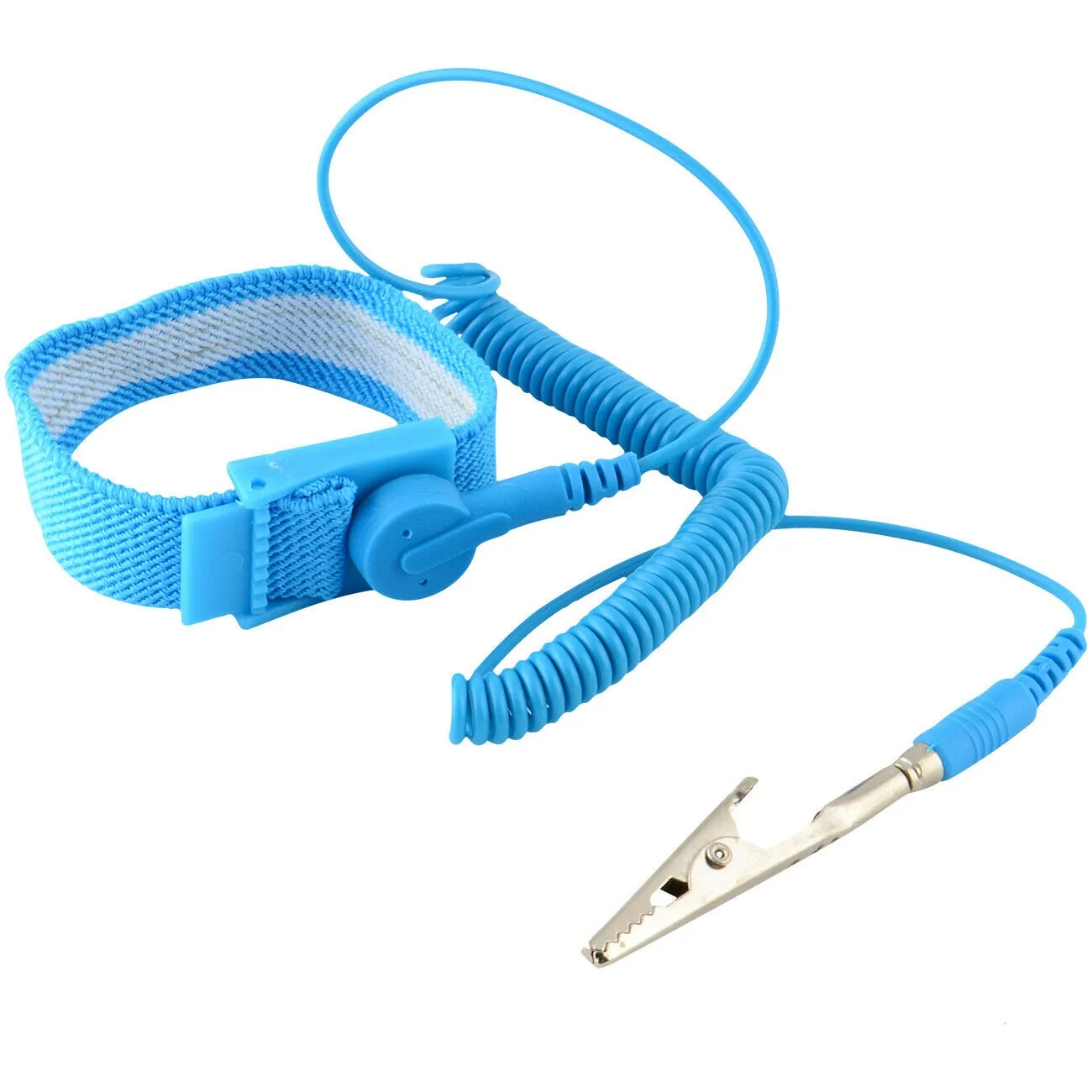
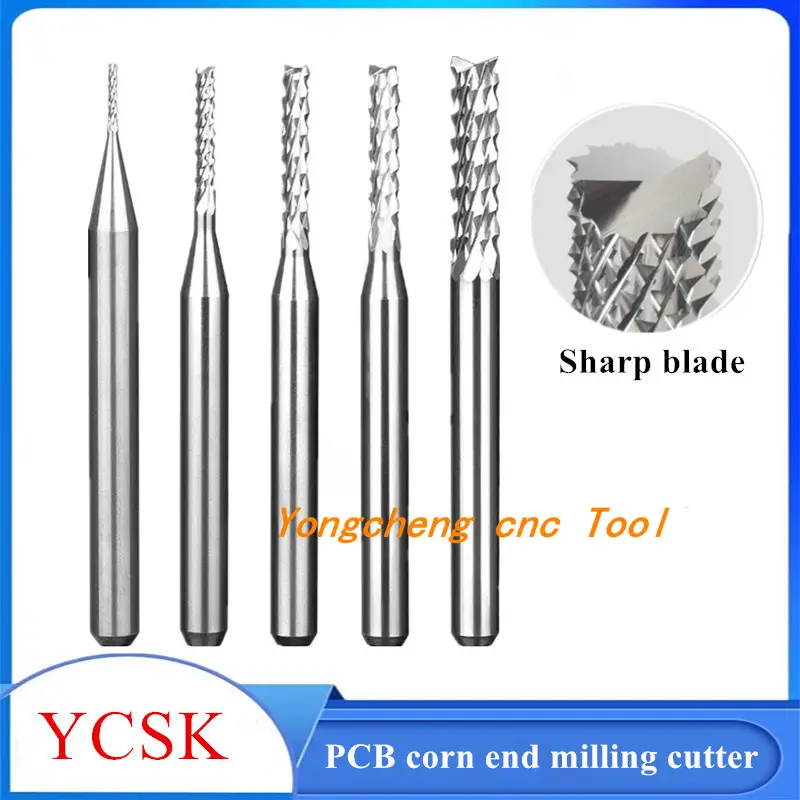
Hand tools cover crimpers for Dupont, JST and ferrule terminals, wire strippers, flush cutters, tweezers, precision screwdriver sets and ESD wrist straps, with carbide end mills and engraving bits for milling circuit boards. A temperature-controlled iron, a multimeter and flush cutters are the three tools most electronics work needs first.
152 listings today, from $4.17; half cost $14.40 or less.
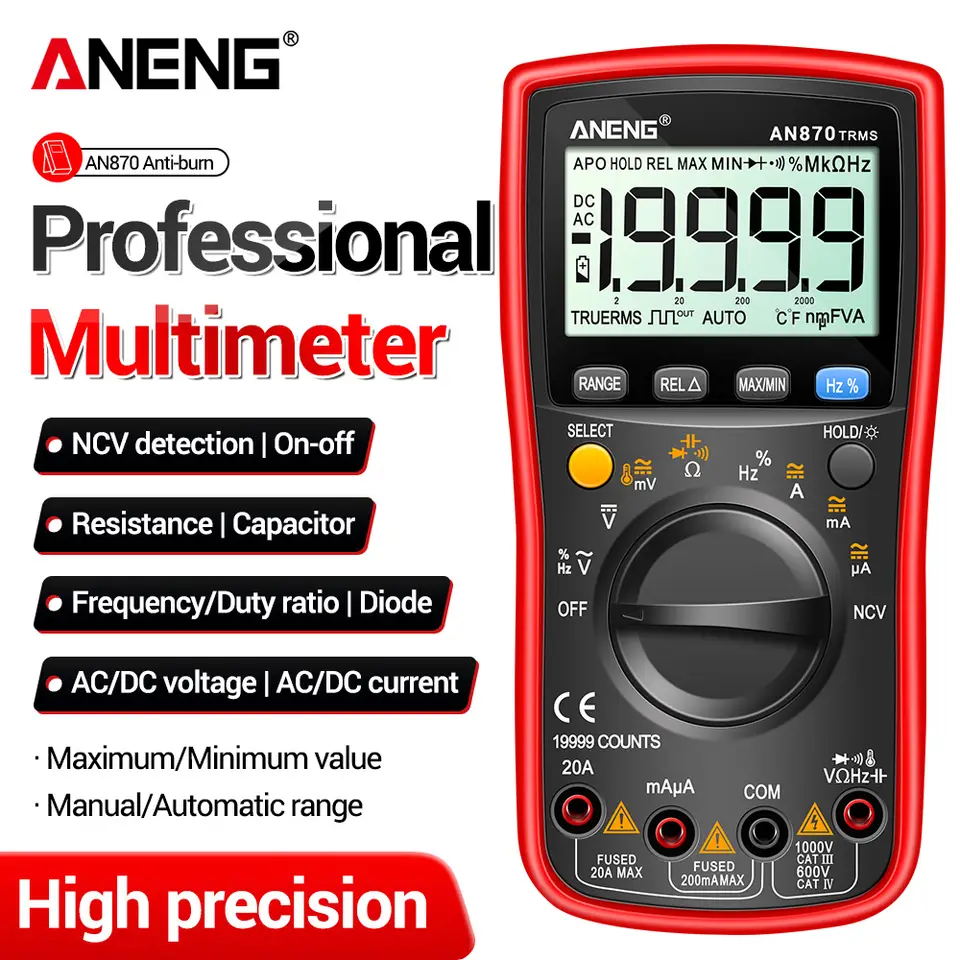
A multimeter and a temperature-controlled soldering iron cover most electronics work. In a meter, look for a continuity beeper, diode test and capacitance. True RMS gives correct readings on non-sinusoidal AC, and a higher count, such as 6000, shows finer resolution.
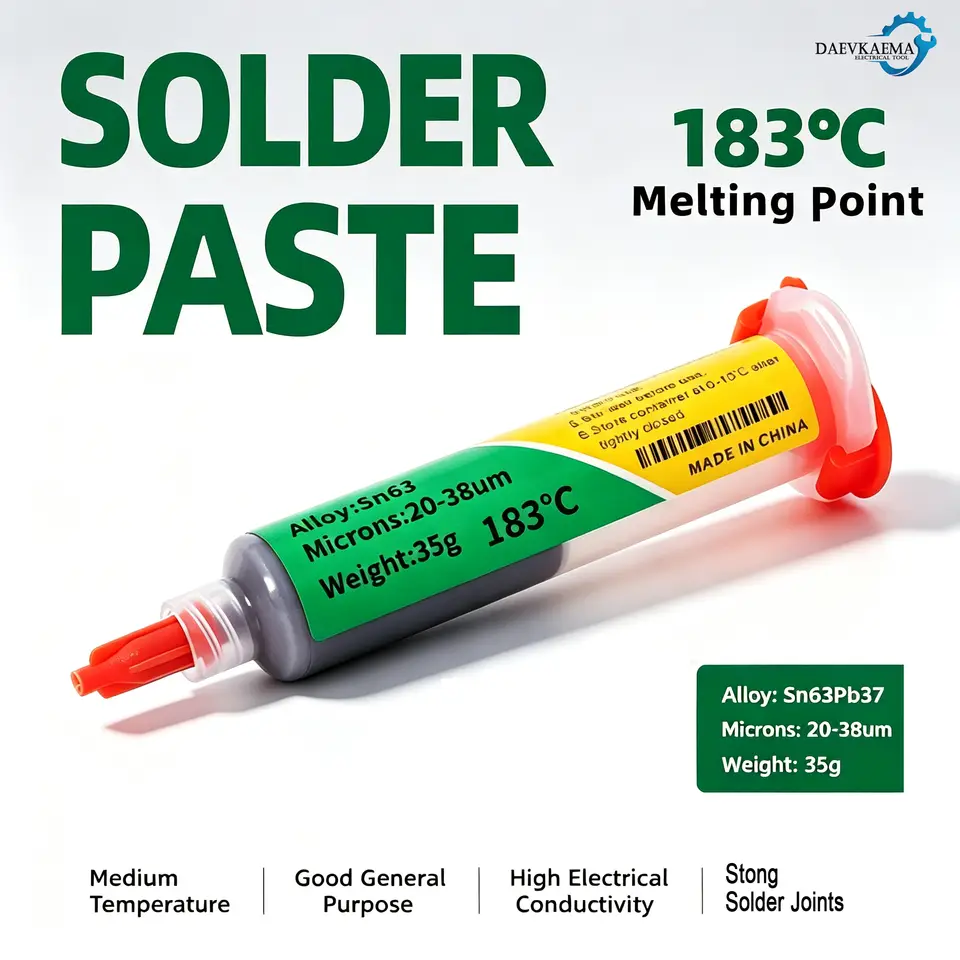
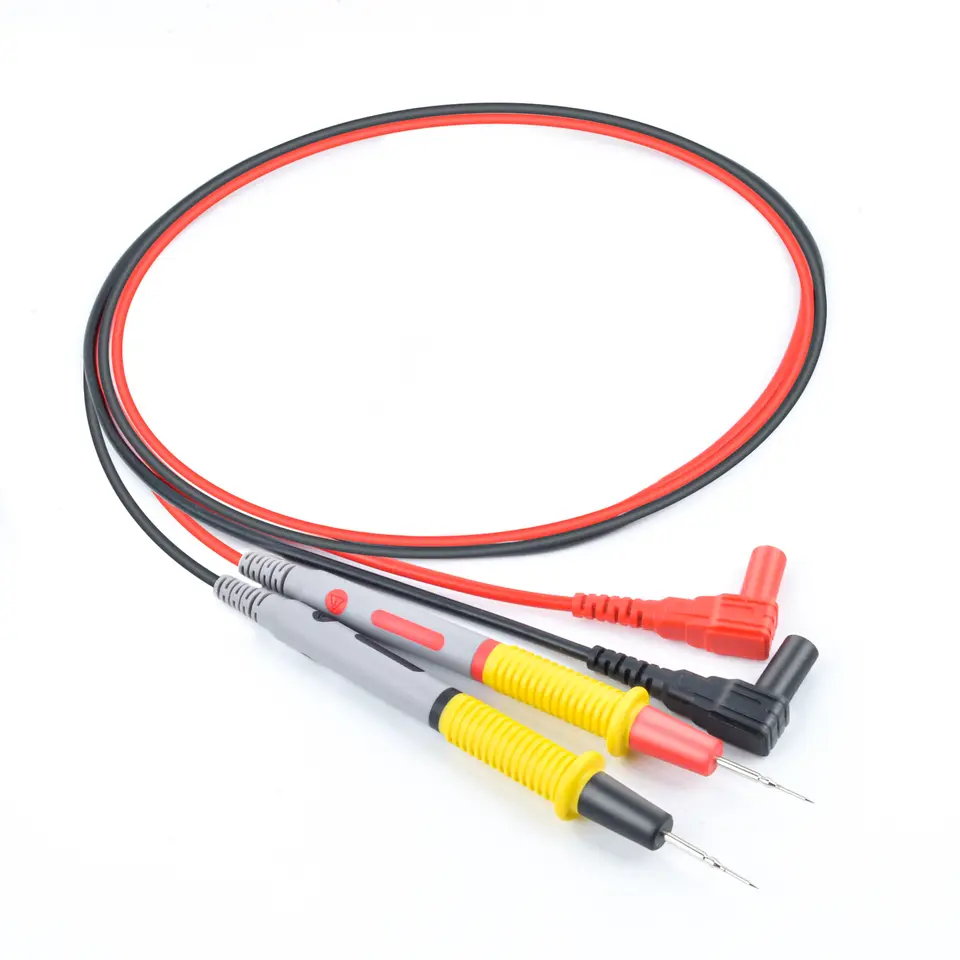
A meter's CAT rating (CAT II, III or IV) tells you which electrical environments it's built to measure safely. Battery and hobby circuits need little, but household mains calls for a meter and leads rated for it. For soldering, check the tip style and which cartridges the station takes, because tips wear out. 63/37 leaded solder melts at 183 °C; lead-free solder needs more heat.
Use rosin-core solder for electronics, never acid-core plumbing solder. A fume extractor or good ventilation keeps flux smoke away from your face, and ESD-safe tweezers and mats protect sensitive chips. Wash your hands after handling leaded solder.
Popular in Tools
Tell us the part name or number, and we'll review it for the catalog.