

Power modules and converters
Buck converters, AC-DC modules, regulators, battery packs and coin-cell holders for powering small electronics.
42 results
From$8.49
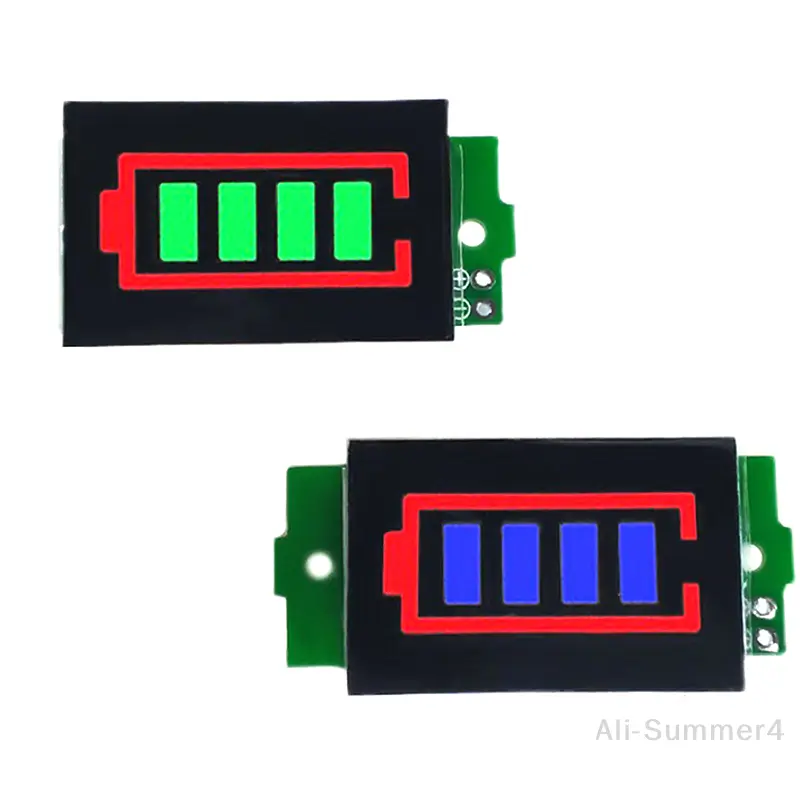
1S-8S Lithium Battery Level Indicator, 3-34V, 4-Level Display, Green or Blue
Est. delivery 7-19 days
From$7.22
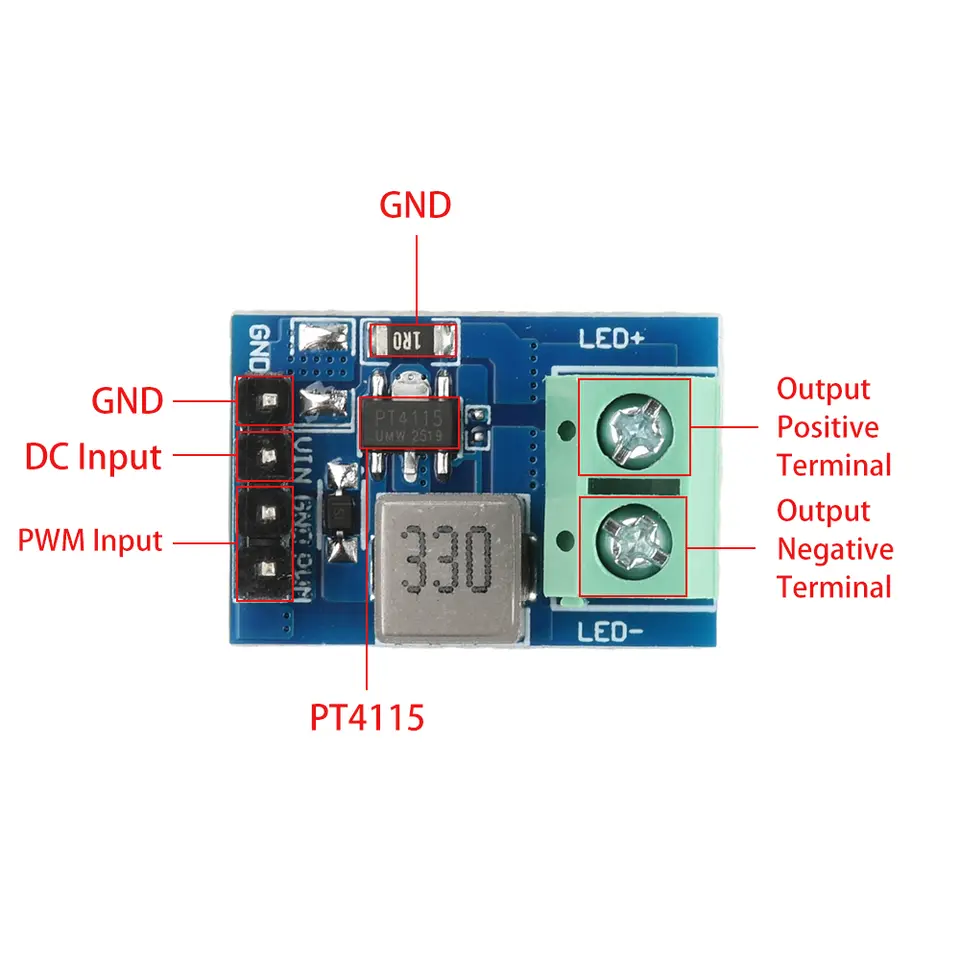
PT4115 Constant Current LED Driver Module, PWM Dimming, Packs of 1 or 5
Est. delivery 6-13 days
$6.38
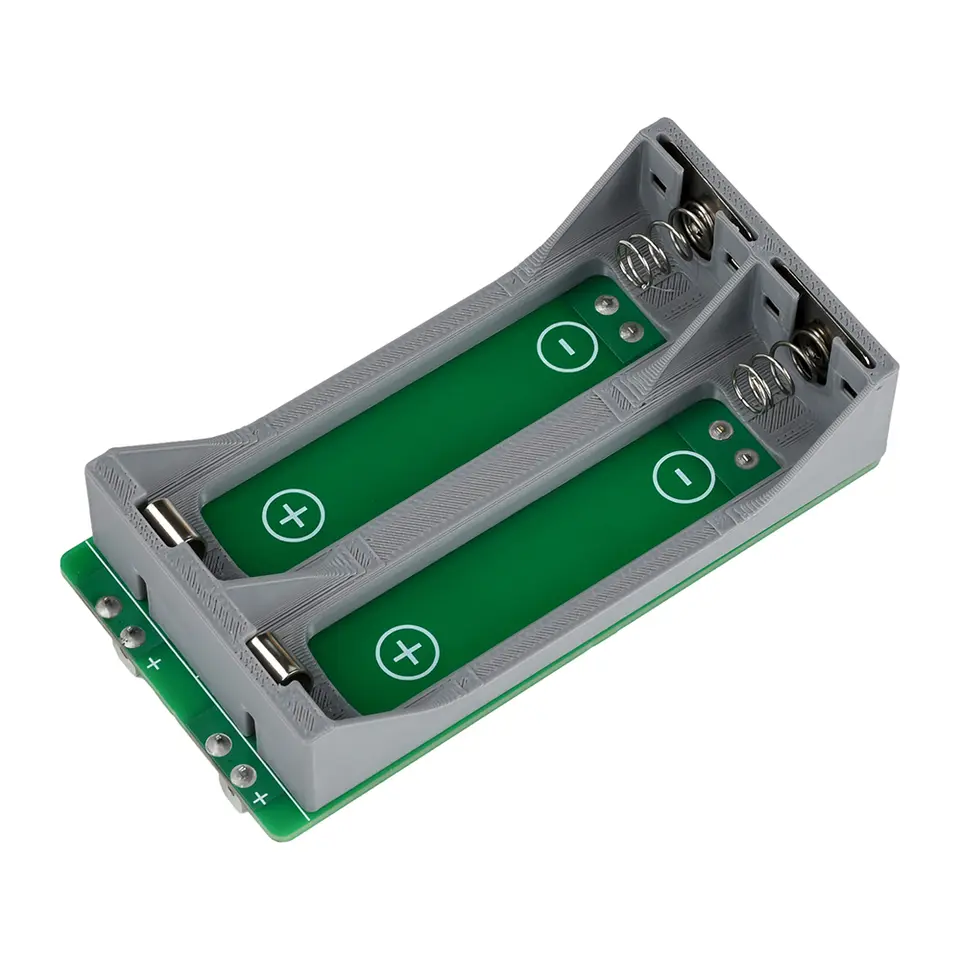
diymore 21700 Battery Holder for Battery Capacity and Internal Resistance Tester Modules
Est. delivery 6-12 days
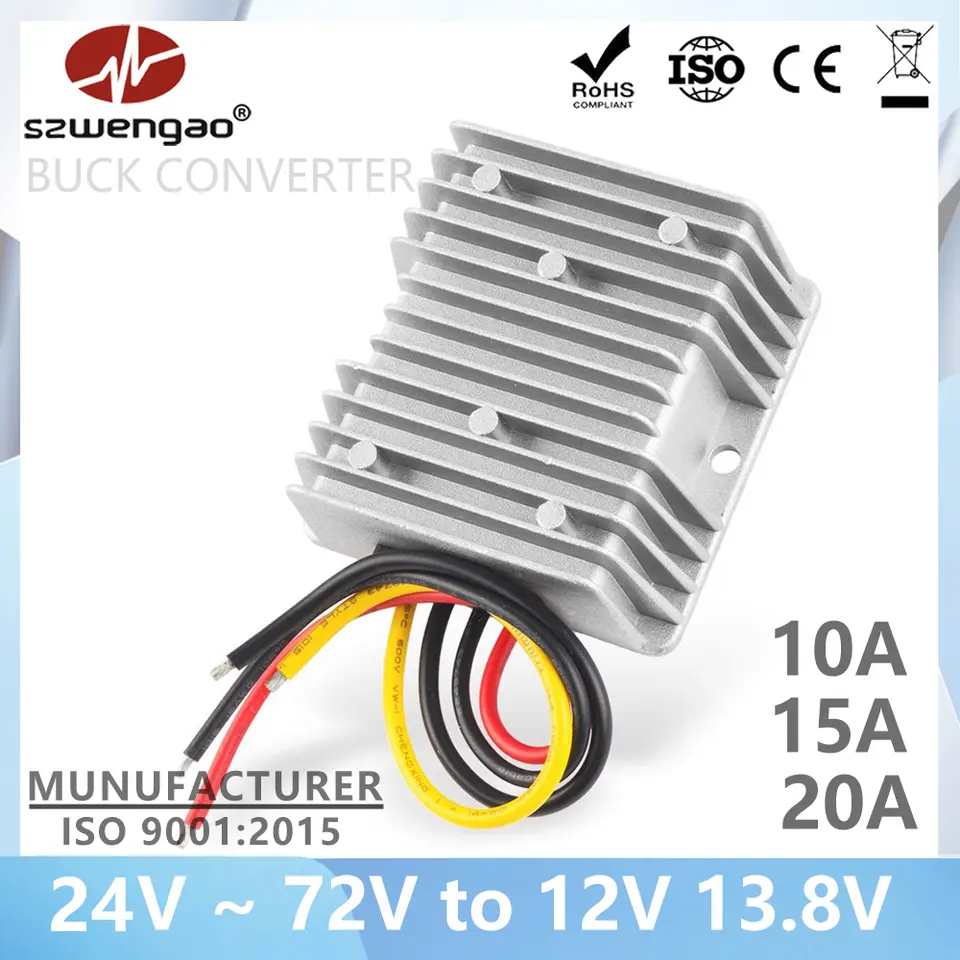
From$13.41
Waterproof DC-DC Step-Down Converter, 24-72V to 12V or 13.8V, 5A to 20A, IP68
Est. delivery 8-14 days
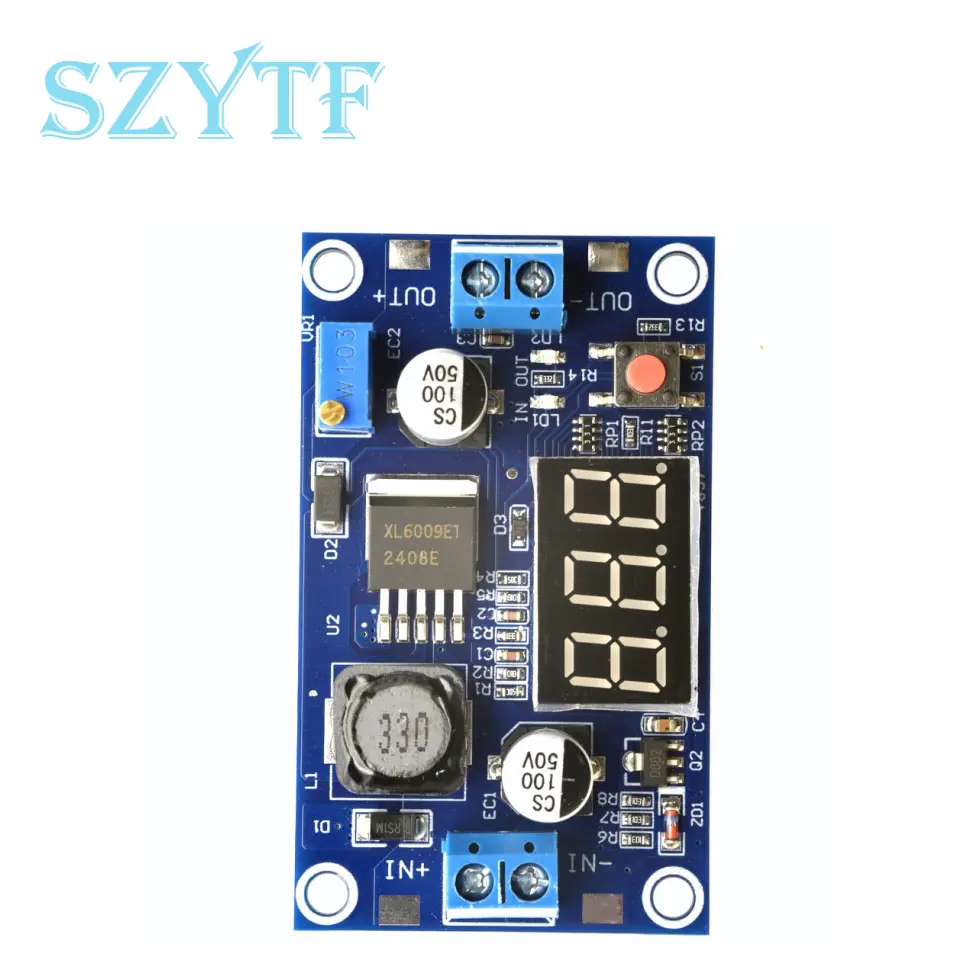
$9.15
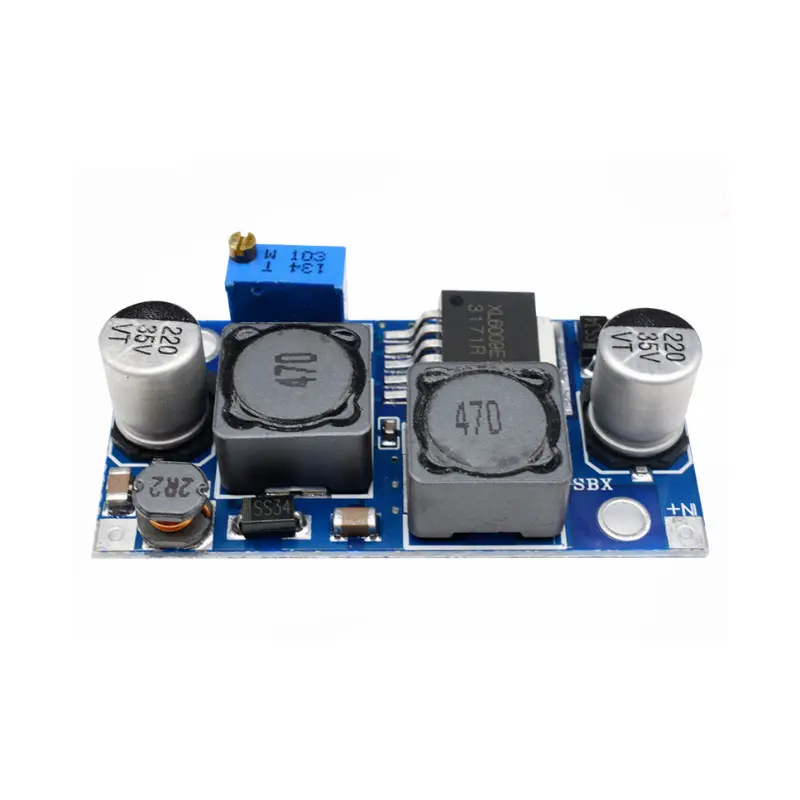
XL6009 Boost Converter Module with Voltmeter, 5-32V In, 5-40V Out, 4A, Touch Button
Est. delivery 7-18 days
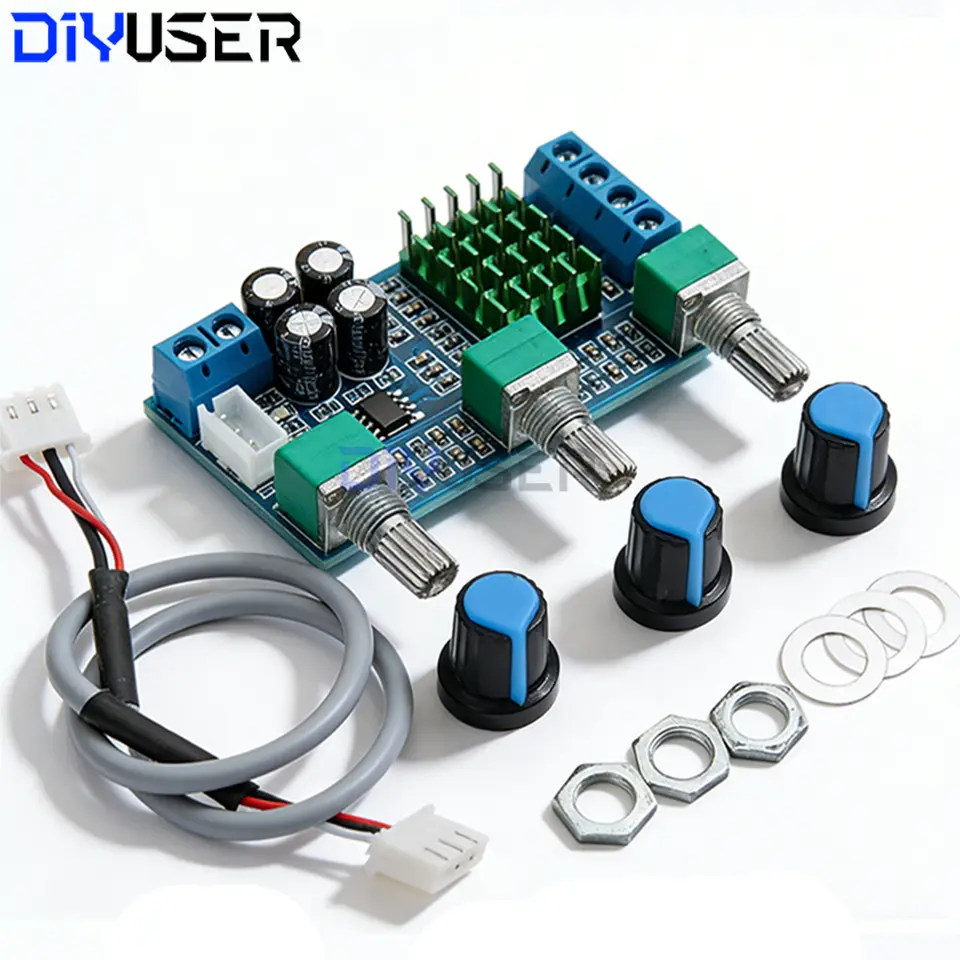
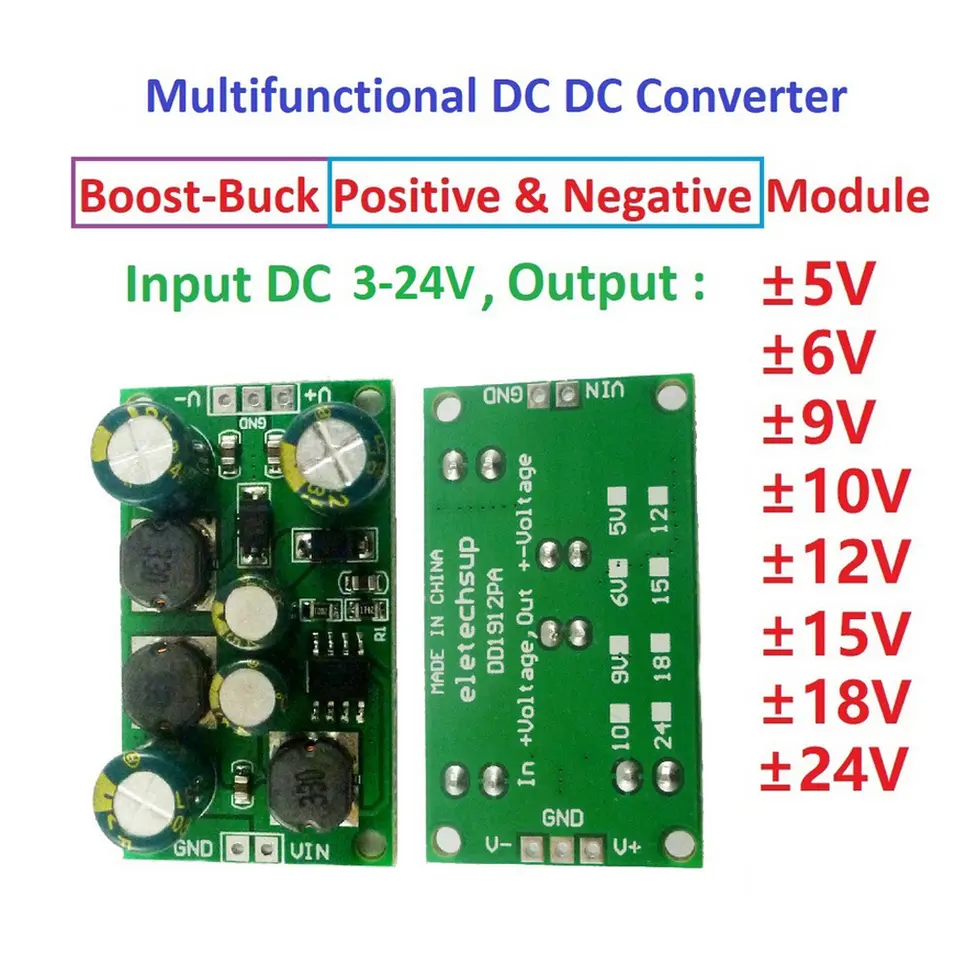
From$12.31
Positive and Negative Dual Output DC-DC Converter, 3-24V to ±5V to ±24V, up to 8W
Est. delivery 7-18 days
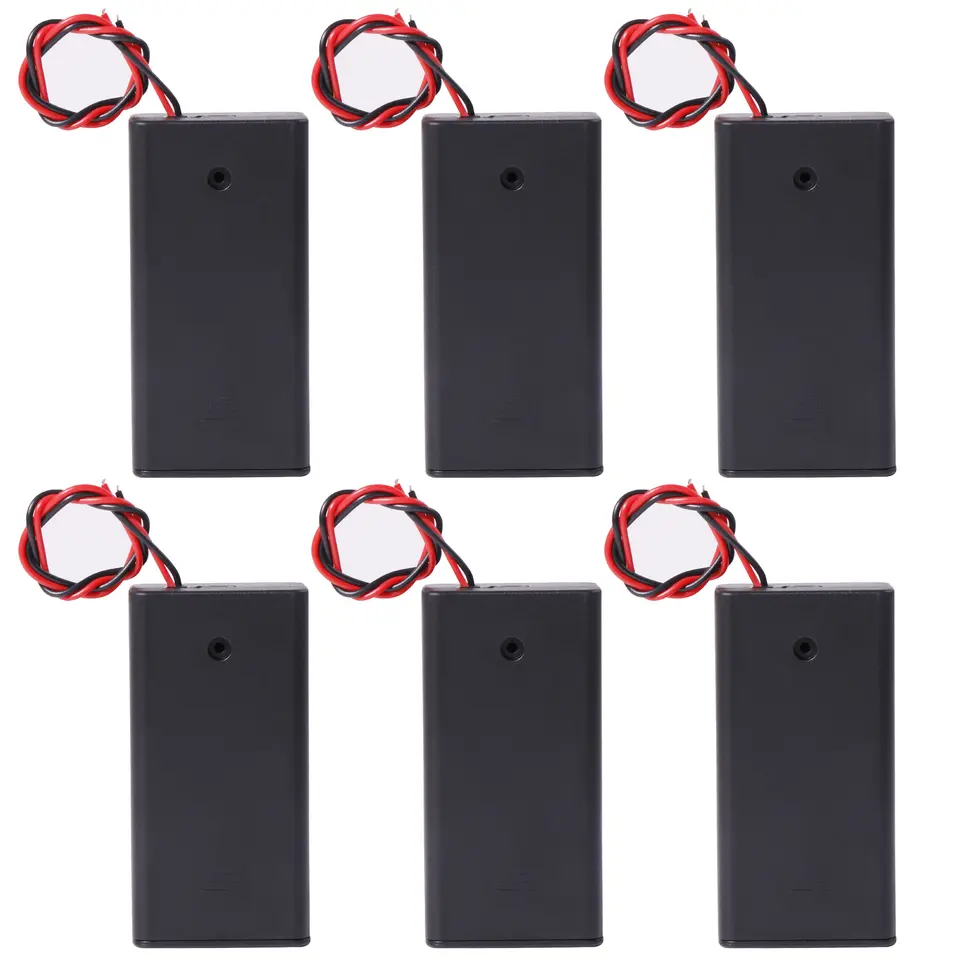
$13.06
2 x AA Battery Holder with On/Off Switch, Cover and Wire Leads, Pack of 6
Est. delivery 7-16 days
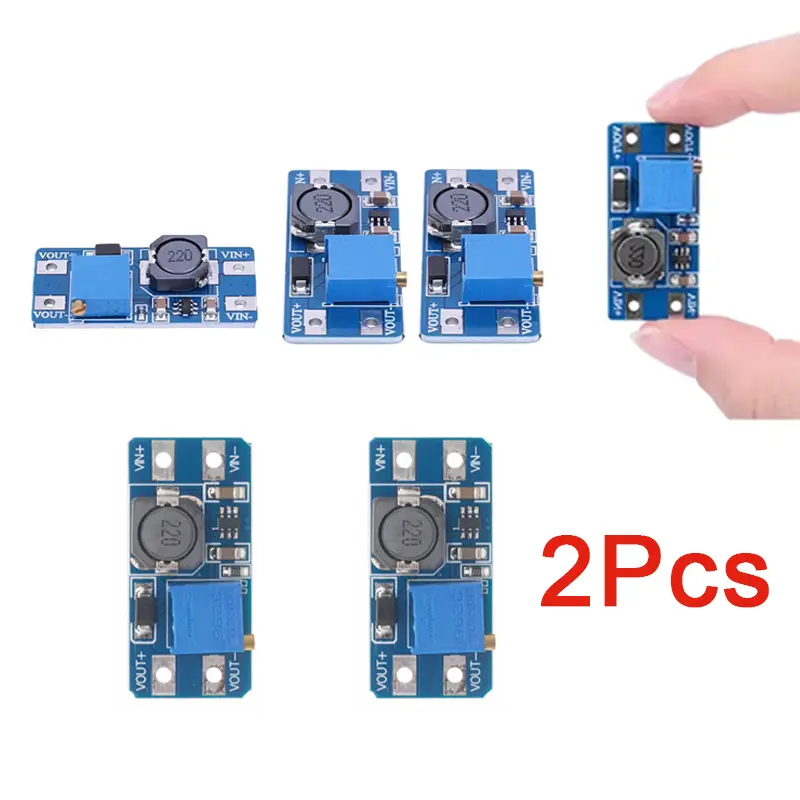
From$7.72
MT3608 DC-DC Boost Converter Module, 2-24V In, 5-28V Out, 2A, Micro USB Input
Est. delivery 8-12 days
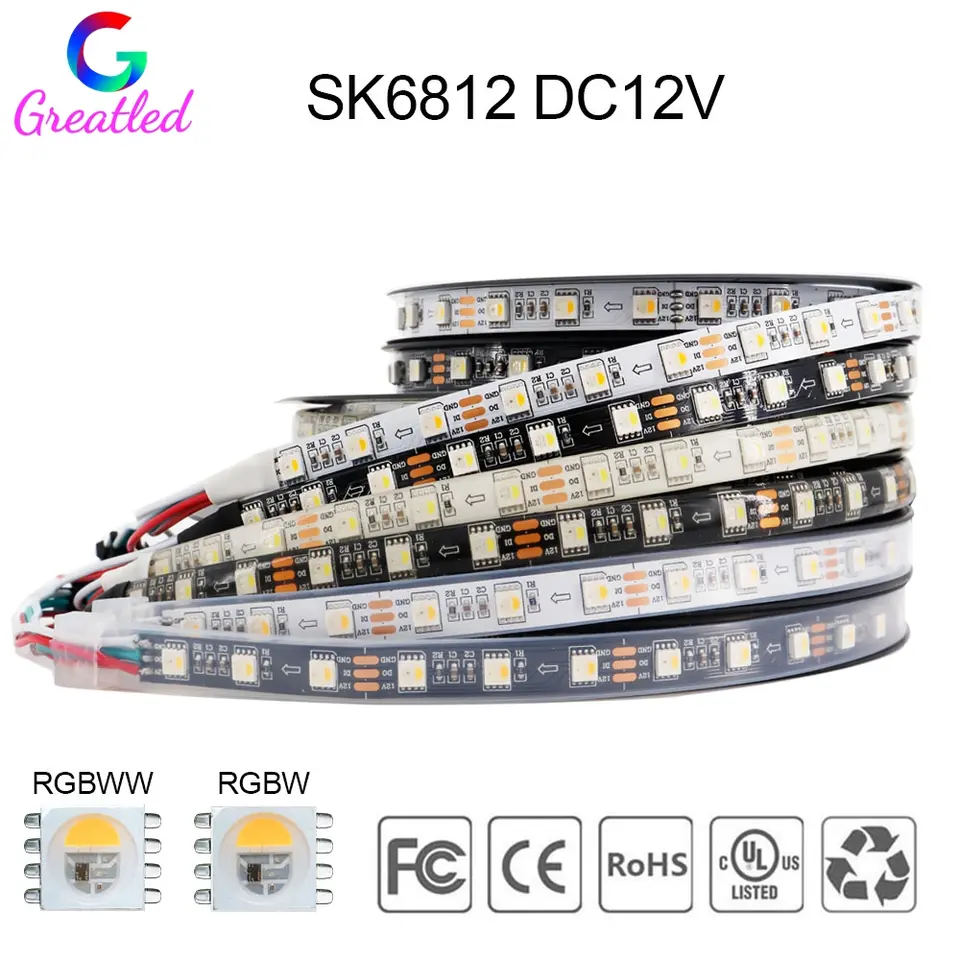
From$12.07
SK6812 RGBW or RGBWW Addressable LED Strip, 12V, 60 LEDs/m, 1-5m, IP30, IP65 or IP67
Est. delivery 8-15 days
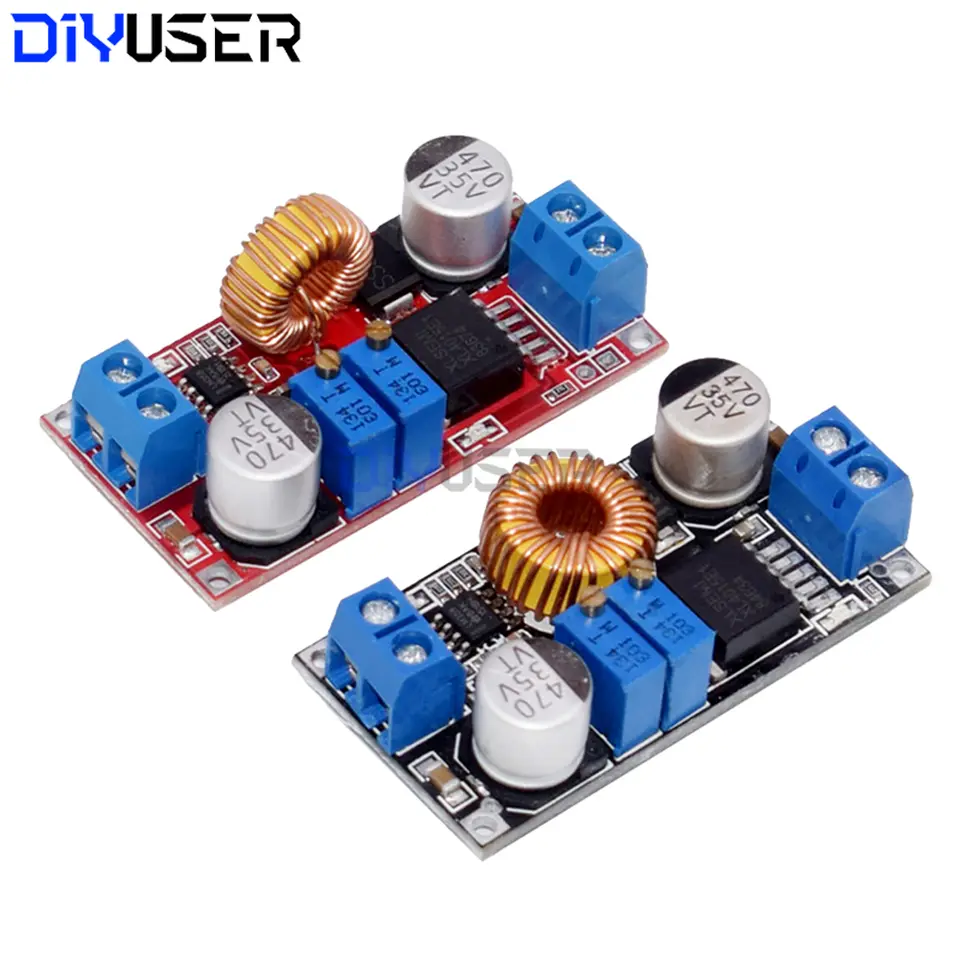
From$8.18
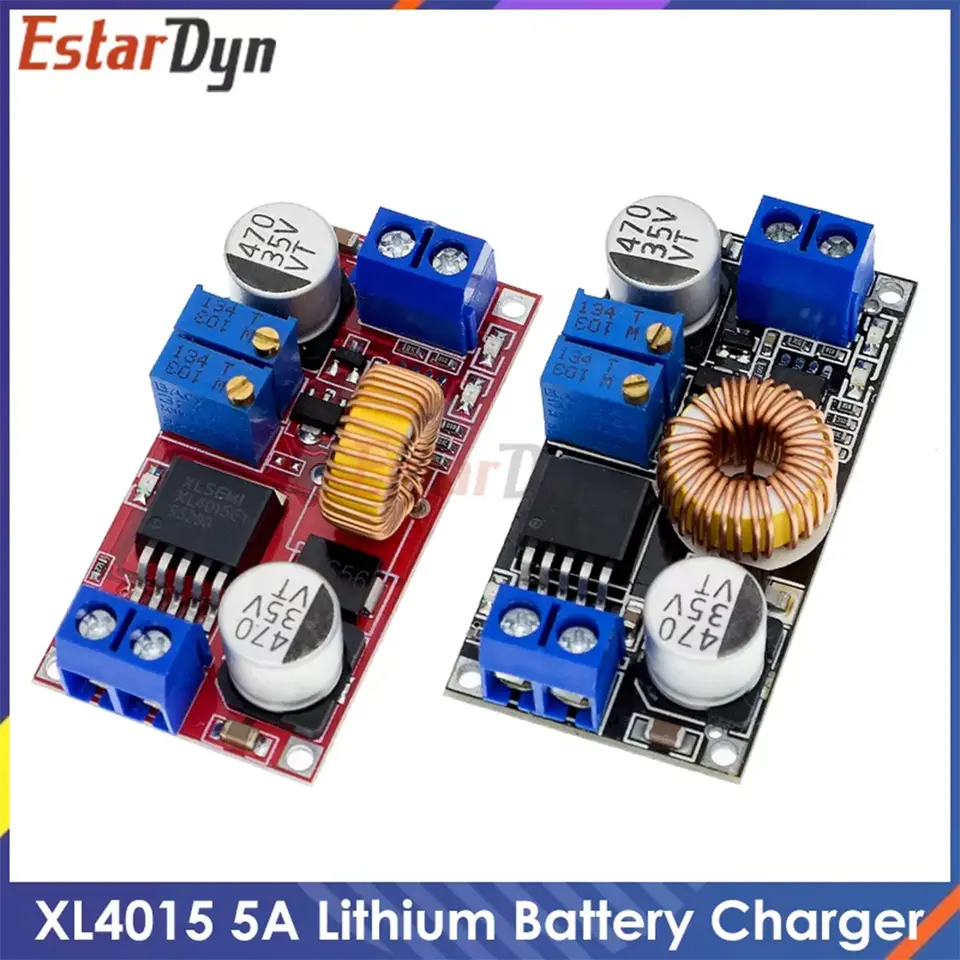
XL4015 5A DC-DC Buck Converter, 8-36V In, 1.25-32V Out, Adjustable CC/CV
Est. delivery 6-12 days
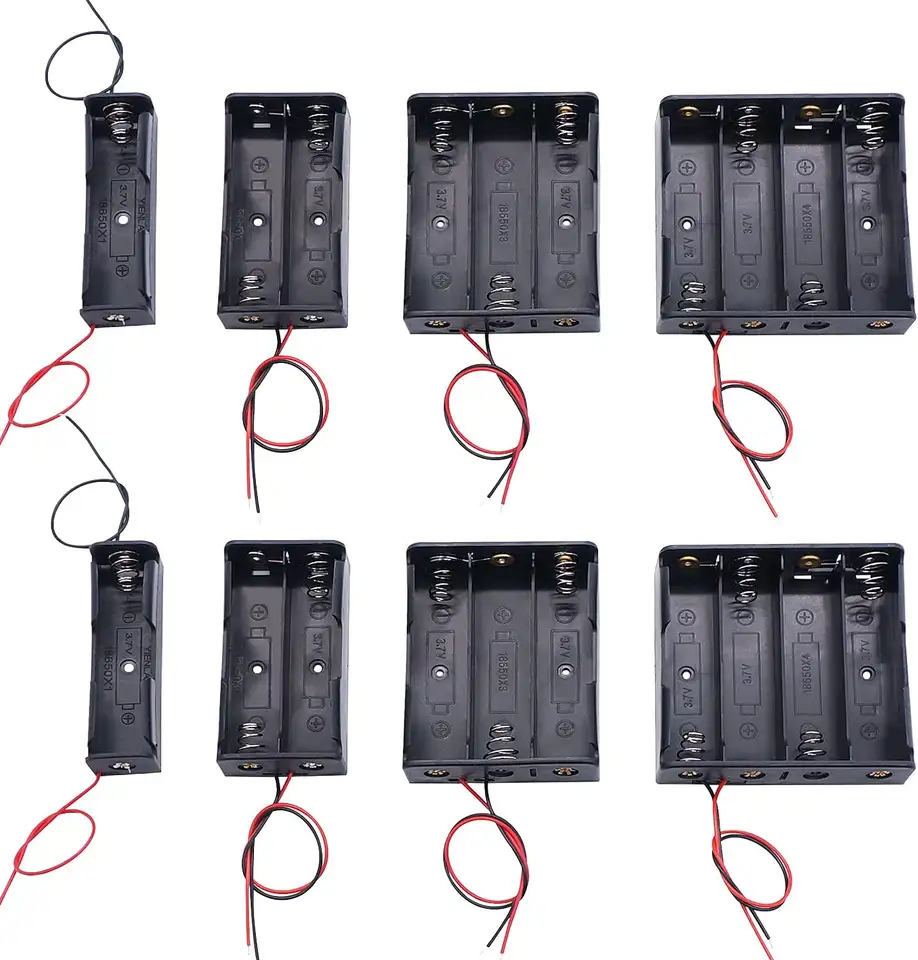
From$8.08
18650 Battery Holder with Wire Leads, 1 to 4 Cells, 3.7V to 14.8V Output
Est. delivery 6-12 days
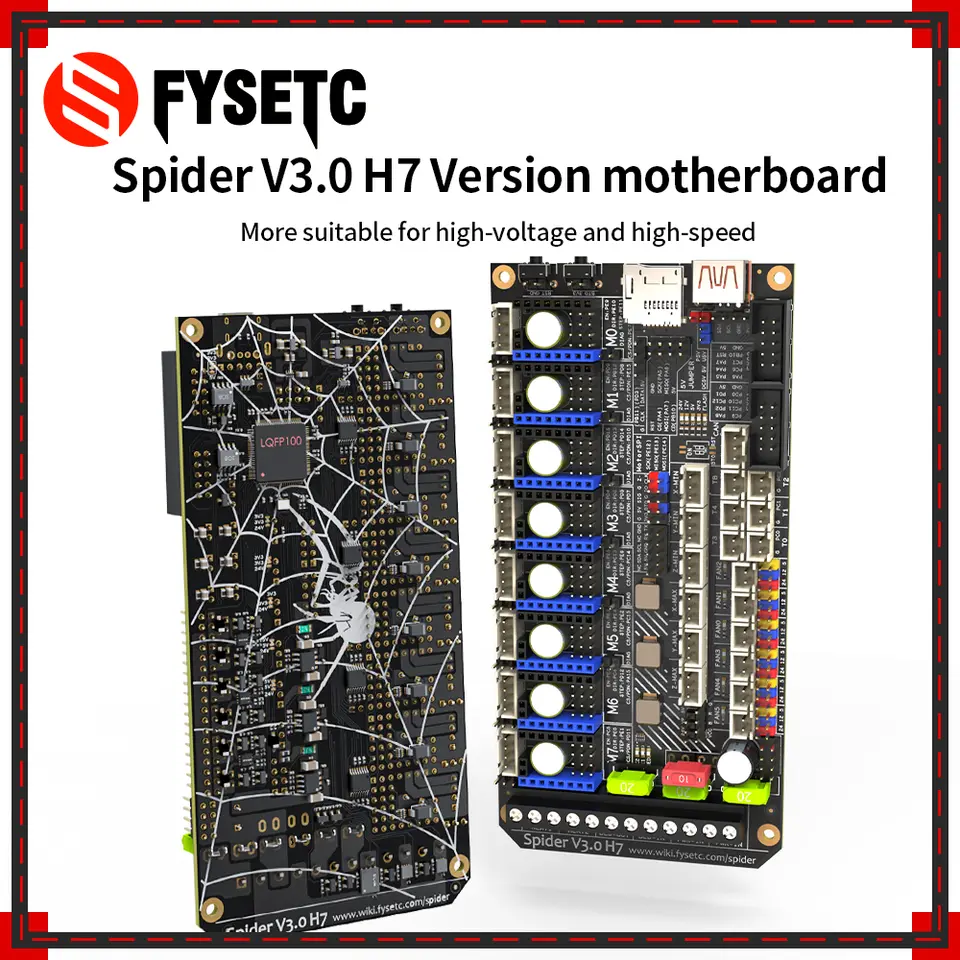
$69.04
FYSETC Spider V3.0 H7 32-Bit Printer Board, STM32H723, 8-Axis, 24V/48V Motor Power, for Voron
Free shippingEst. delivery 7-16 days
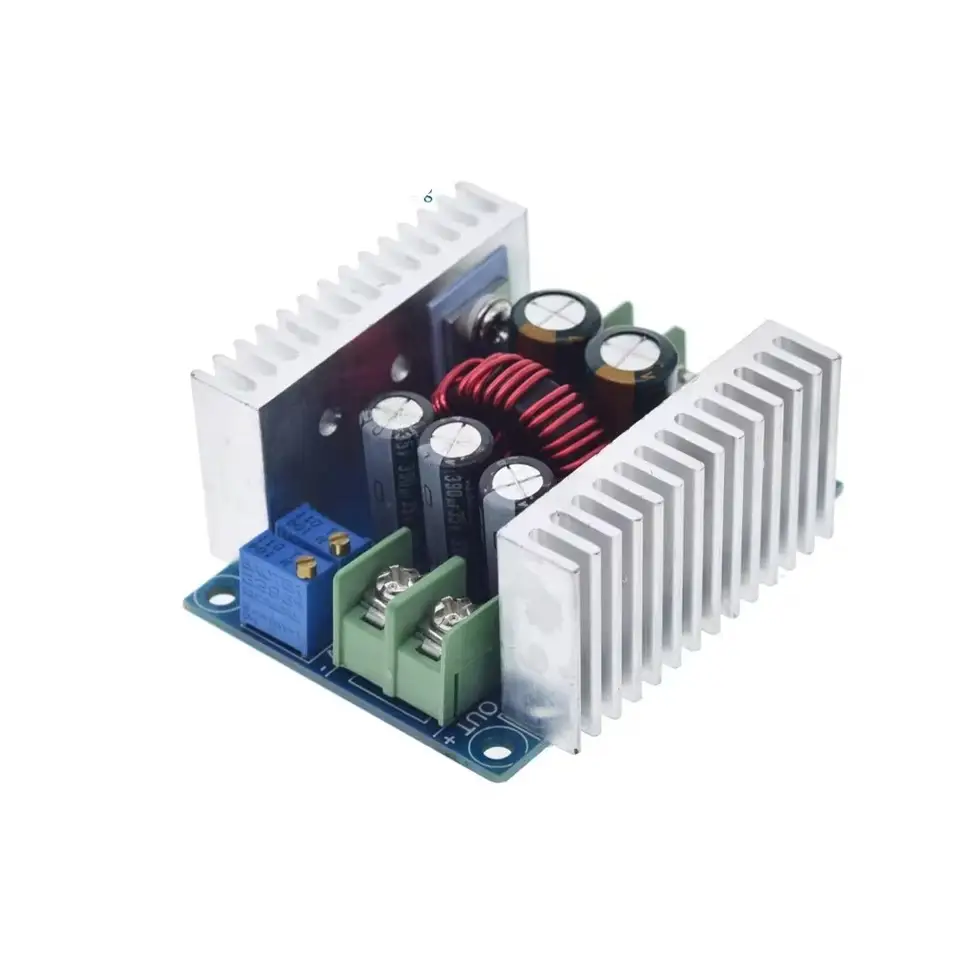
$13.53
20A 300W CC/CV Buck Converter Module, 6-40V to 1.2-36V, Adjustable Voltage and Current
Est. delivery 6-12 days
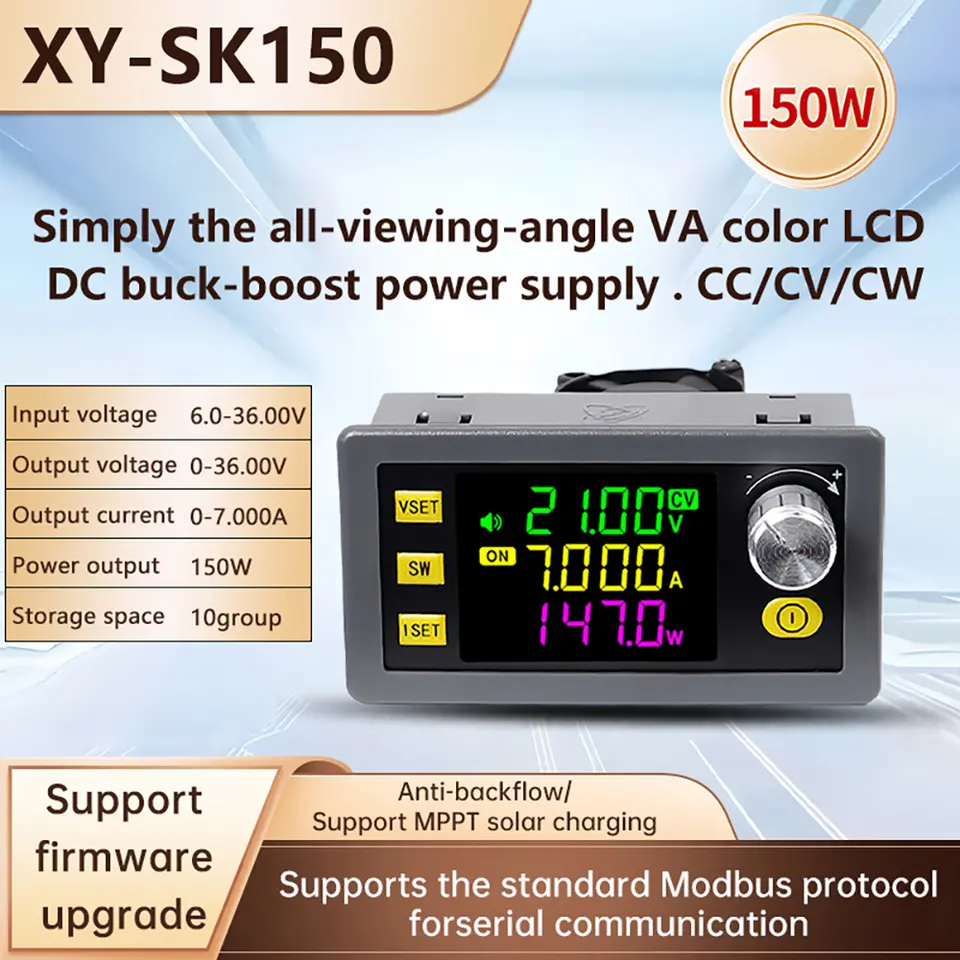
From$18.30
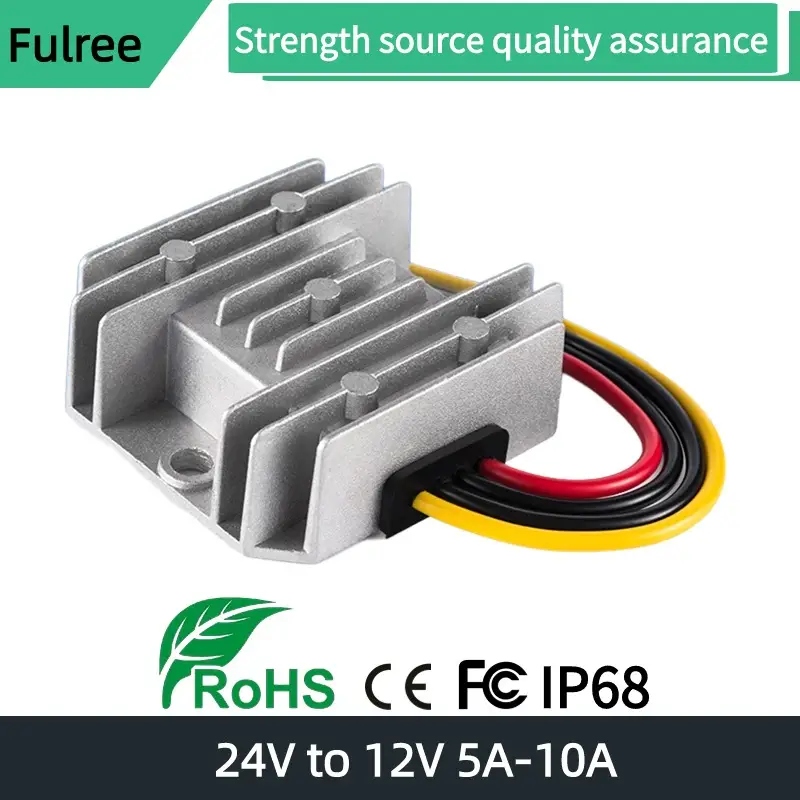
Fulree 24V to 12V DC-DC Buck Converter, 5A or 10A, 18-35V Input, IP68 Waterproof
Est. delivery 6-12 days
$21.22
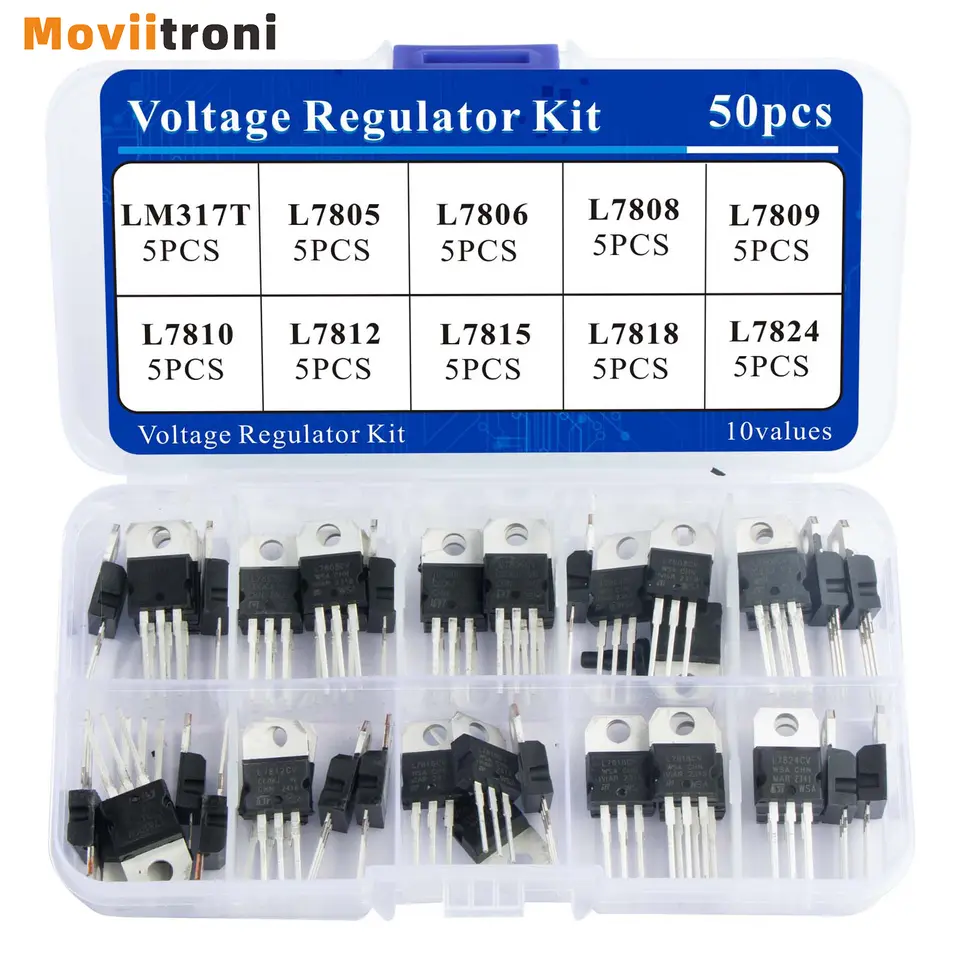
TO-220 Voltage Regulator Kit, LM317T and L7805 to L7824, 10 Types, 50 Pieces
Free shippingEst. delivery 6-12 days
About power modules and converters
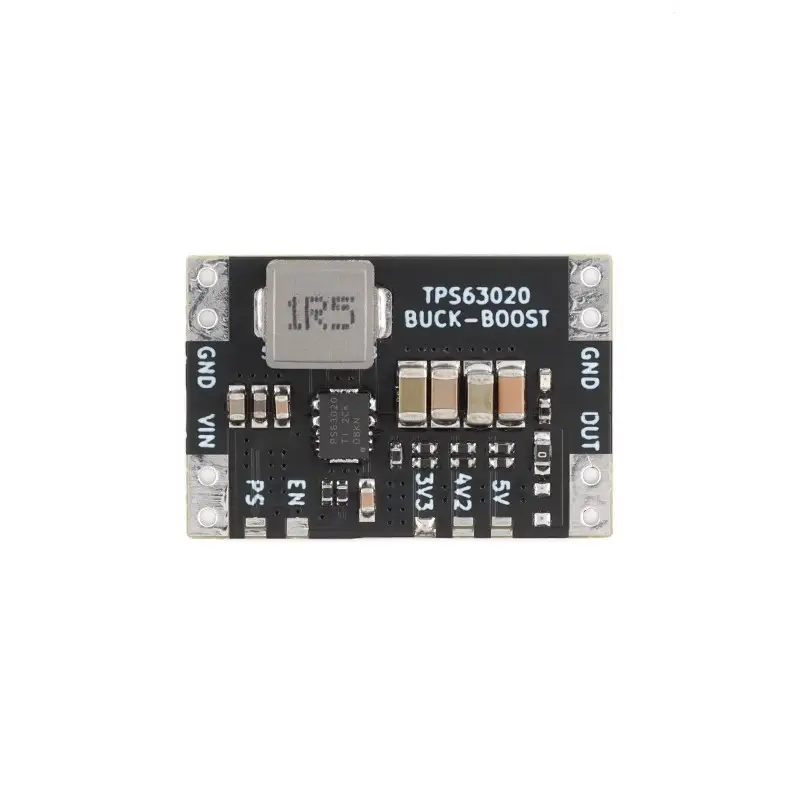
Modules that turn the power you have into the power your circuit needs. Buck (step-down) converters such as the LM2596, XL4015 and MP1584EN take 12 or 24 V down to 5 V for a microcontroller or servos, MT3608 and XL6009 boost converters step voltage up, and buck-boost modules hold a steady output from a battery whose voltage falls past it. Small AC-DC modules make 5 V from mains, and AMS1117, LM317 and 78xx linear regulators suit low-current rails.
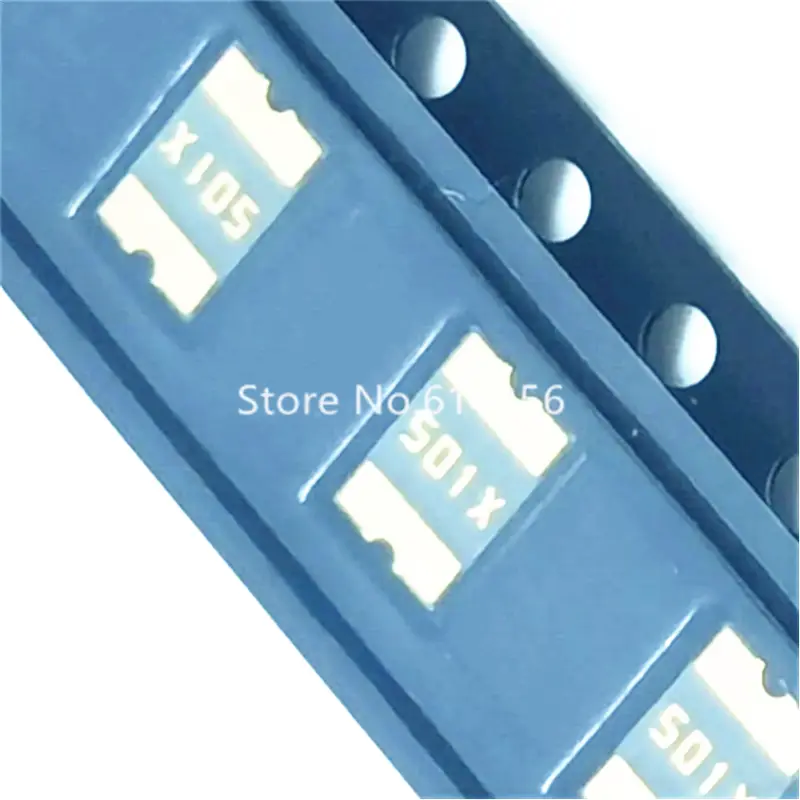
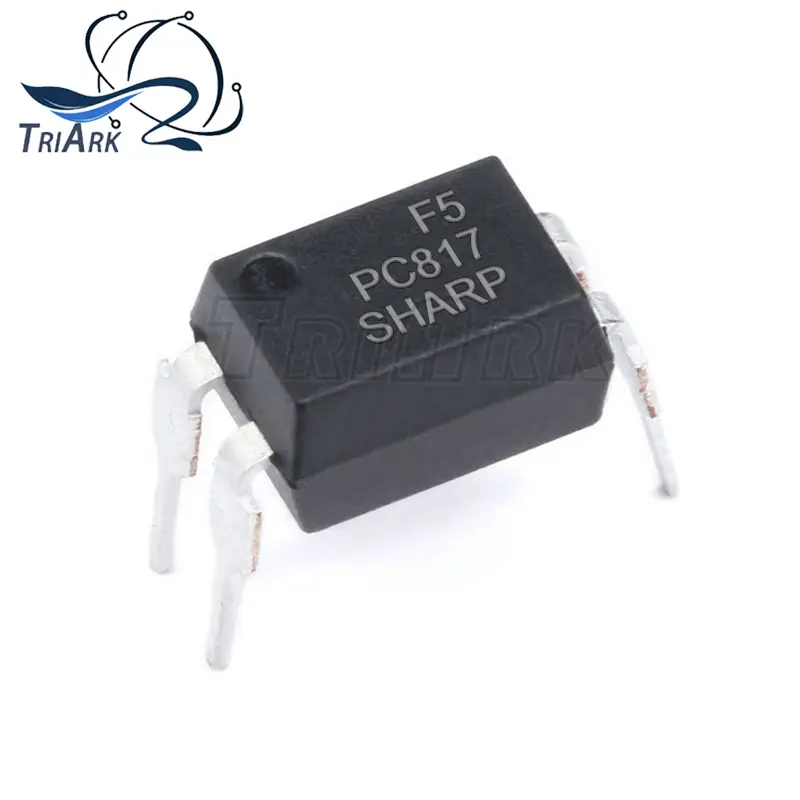
For batteries there are 18650 and 21700 cell holders, AA and CR2032 holders, 12 V Li-ion packs, smart BMS boards with active balancing and standalone cell balancers. You'll also find MB102 breadboard power supplies, logic-level MOSFETs such as the IRL540N, optocouplers, resettable fuses and WS2812B and SK6812 addressable LED strips. Leave headroom on current, since small converters run hot at their rated limit.
42 listings today, from $3.86; half cost $8.61 or less.
What to look for
Start from the power you have and what the circuit needs. A buck (step-down) converter turns a higher voltage into a lower one, such as 12 V into 5 V for a microcontroller or servos; a boost converter steps up. A linear regulator is simpler but turns the voltage difference into heat, so it suits small currents and small drops.
Specs that matter
Check the input voltage range, the output voltage (fixed or adjustable) and the continuous output current, and leave headroom rather than running a module at its limit. Small modules get hot at full load. For battery packs, check the voltage, the capacity in mAh and whether a protection board (BMS) is built in.
Compatibility tips
Set and measure an adjustable converter's output with a multimeter before you connect your circuit. Charge lithium packs only with a charger made for their chemistry and cell count. Modules wired to mains power need a proper enclosure; if you're unsure, use a certified plug-in adapter instead.
Questions about power modules and converters
- Buck, boost or buck-boost: which do I need?
- A buck converter lowers voltage, for example 12 V to 5 V. A boost converter raises it, for example 3.7 V to 5 V. A buck-boost converter does either, which suits a battery that starts above your target voltage and ends below it.
- How do I set an adjustable converter?
- Power it with nothing connected to the output, measure the output with a multimeter, and turn the trimmer until it reads the voltage you need. Then connect your circuit. A multiturn trimmer can take many turns before the output starts to change.
- Are the AC-DC modules safe to use?
- Only inside a proper enclosure, with the mains side insulated and out of reach. If you're not comfortable wiring mains, use a certified plug-in adapter instead.
- How long does delivery take, and what does shipping cost?
- Most parts ship to Canadian addresses directly from our supplier partners, most of them outside Canada, and most orders arrive within 1 to 3 weeks; the product page shows its own estimate. Items marked eligible on their product page ship free once the eligible items in your cart total $20 or more (a cart of many low-priced parts needs more than $20 of them, and the cart shows how much). Until then, and for items that aren't eligible, each item pays its supplier's shipping quote for your address, and checkout shows every charge and the tax before you pay.
Popular in Power Modules
Can't find the part you need?
Tell us the part name or number, and we'll review it for the catalog.