

$100.43
Keyestudio Micro:Bit V2 Robot Car Mini Smart Turtle Robot Kit for MicroBit Robot Car Python Programming STEM Electronic Kit
Free shippingEst. delivery 12-19 days
Ships to CanadaPrices in CAD
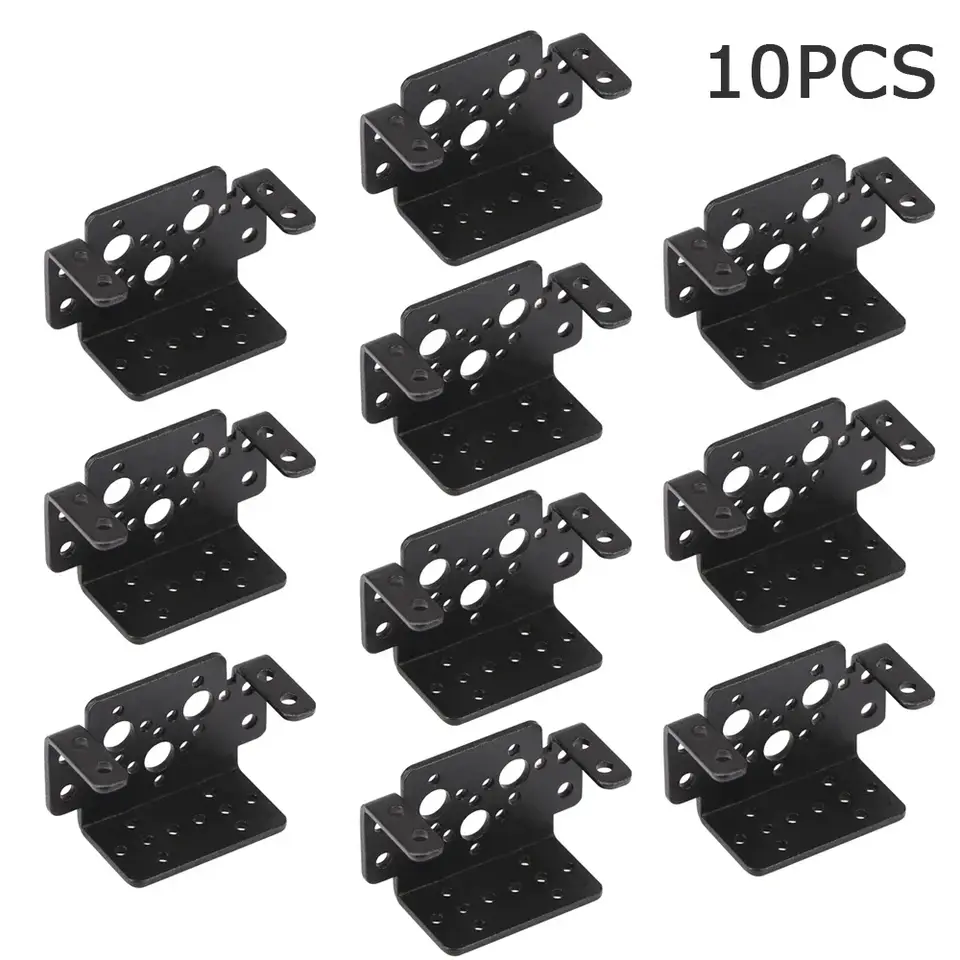
Servos, serial bus servos, gear motors, steppers, motor drivers, mecanum wheels and robot arm kits, from classroom builds to competition spares.
82 results
$100.43
Free shippingEst. delivery 12-19 days
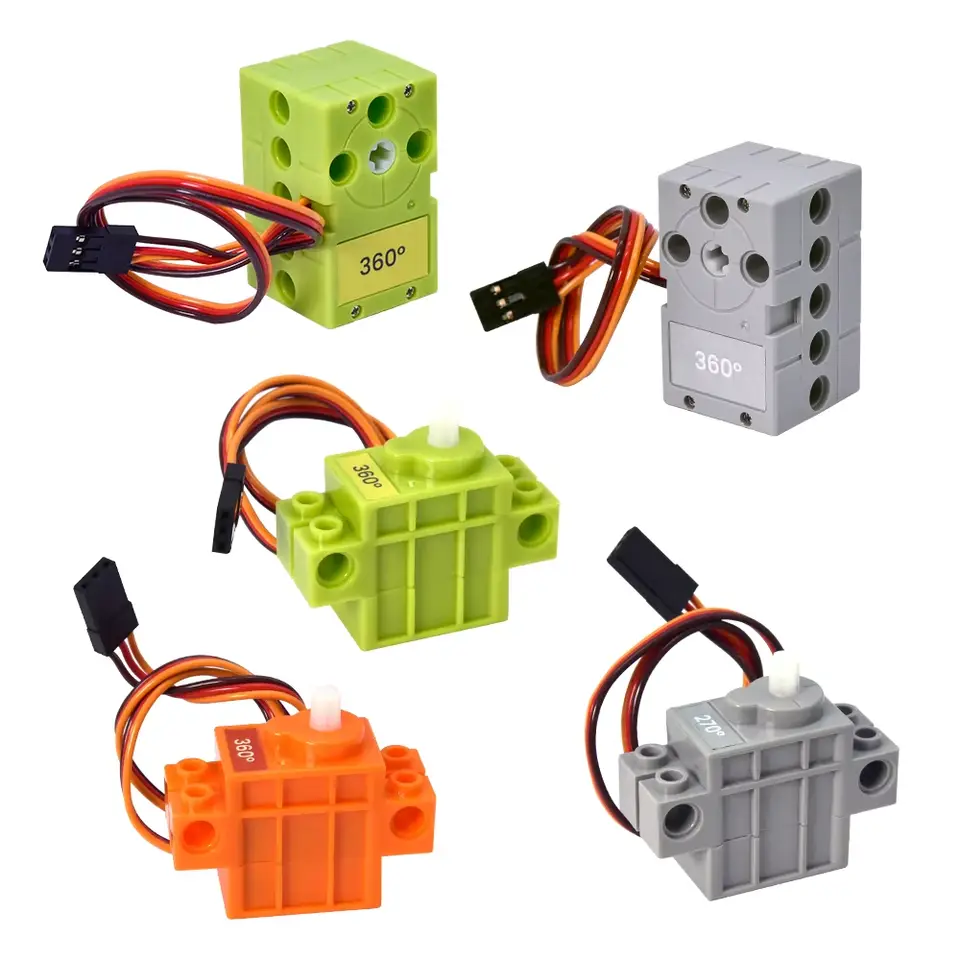
From$16.84
Est. delivery 8-13 days
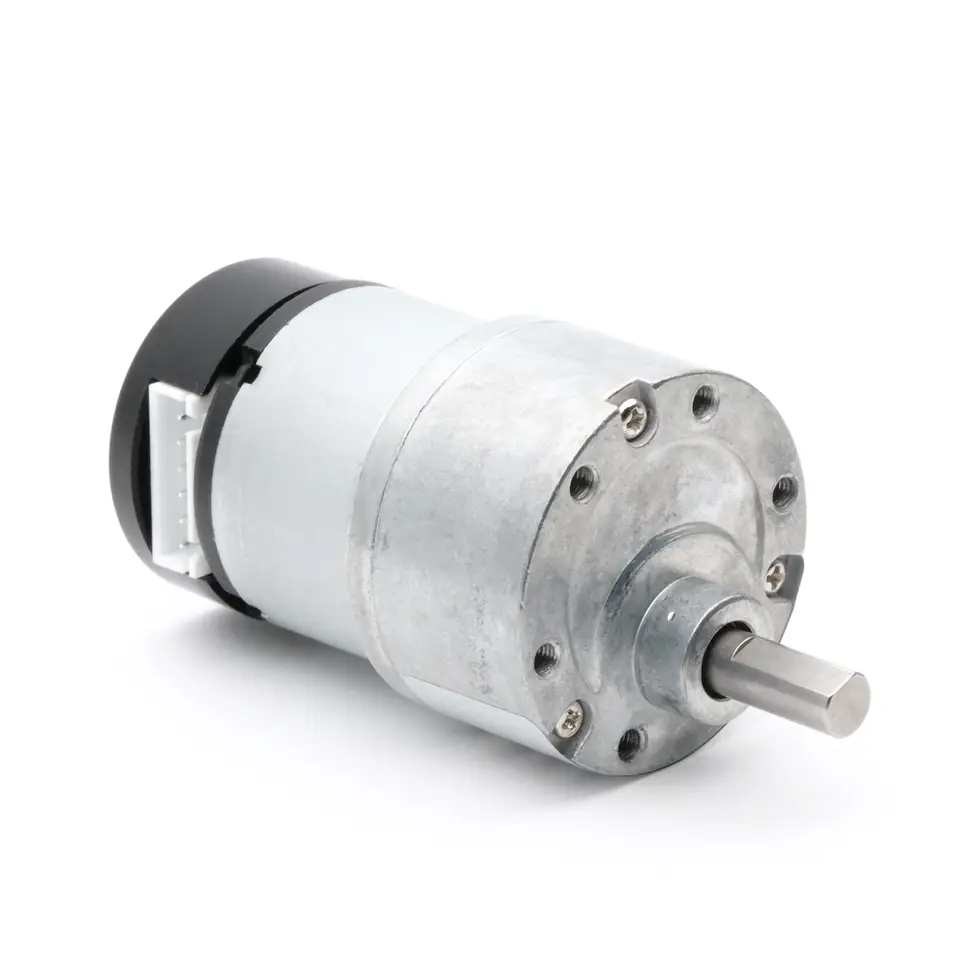
From$27.32
Est. delivery 12-22 days
$9.07
Est. delivery 8-13 days
From$103.39
Est. delivery 10-22 days
From$111.20
Est. delivery 8-14 days
From$8.43
Est. delivery 6-12 days
$167.87
Est. delivery 7-15 days
$49.53
Est. delivery 8-15 days
From$8.60
Est. delivery 8-13 days
$15.62
Est. delivery 8-13 days
From$68.19
Free shippingEst. delivery 9-14 days
$32.45
Est. delivery 9-16 days
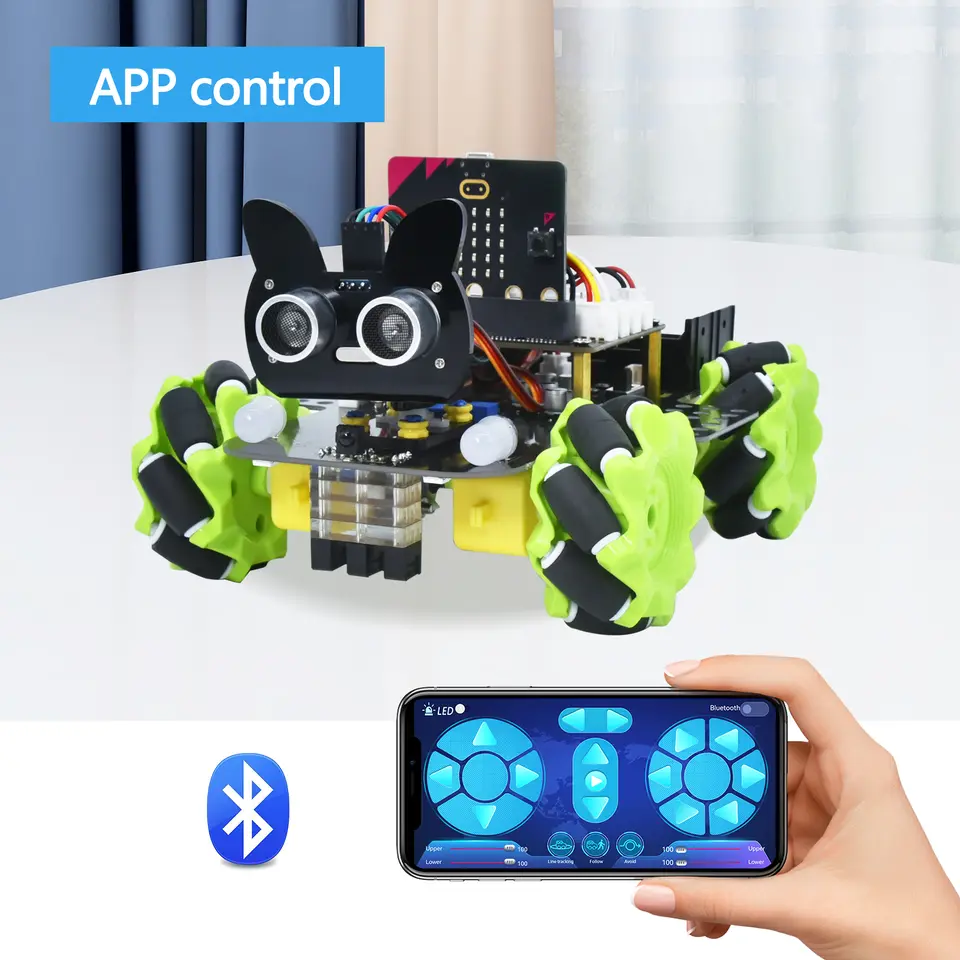
$125.23
Free shippingEst. delivery 8-14 days
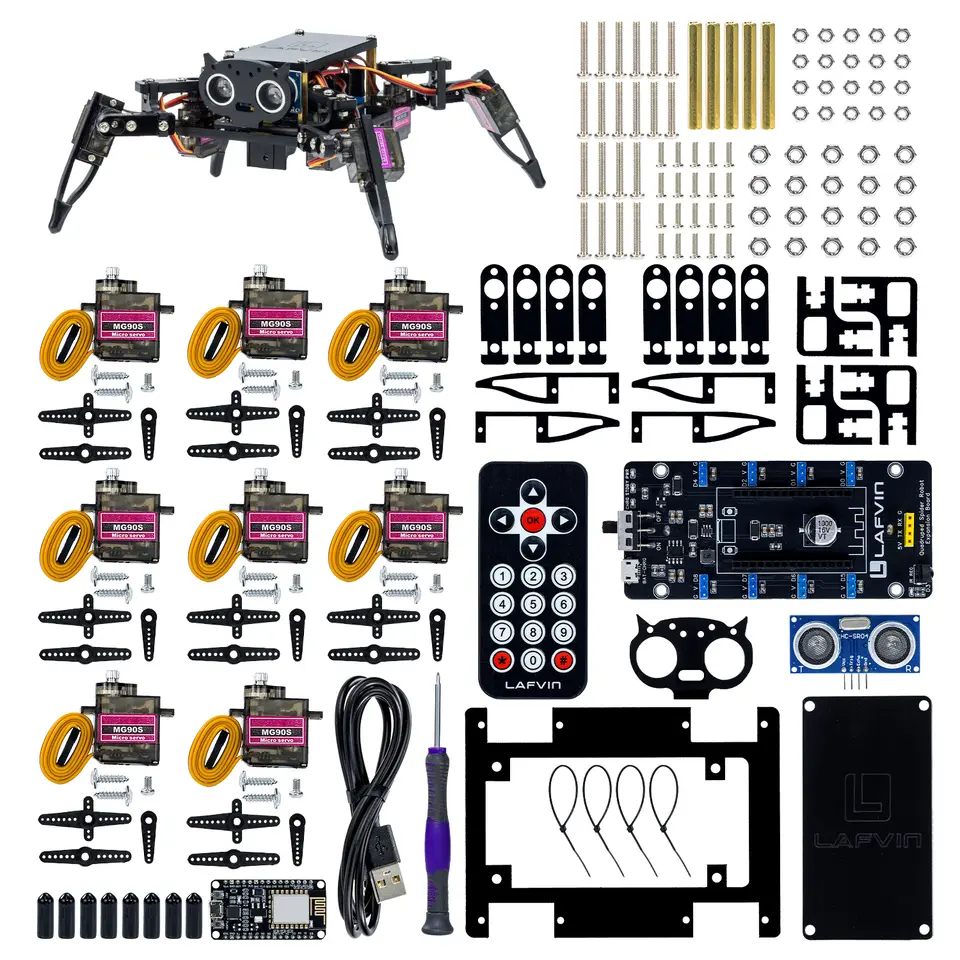
$73.15
Ships to Canada
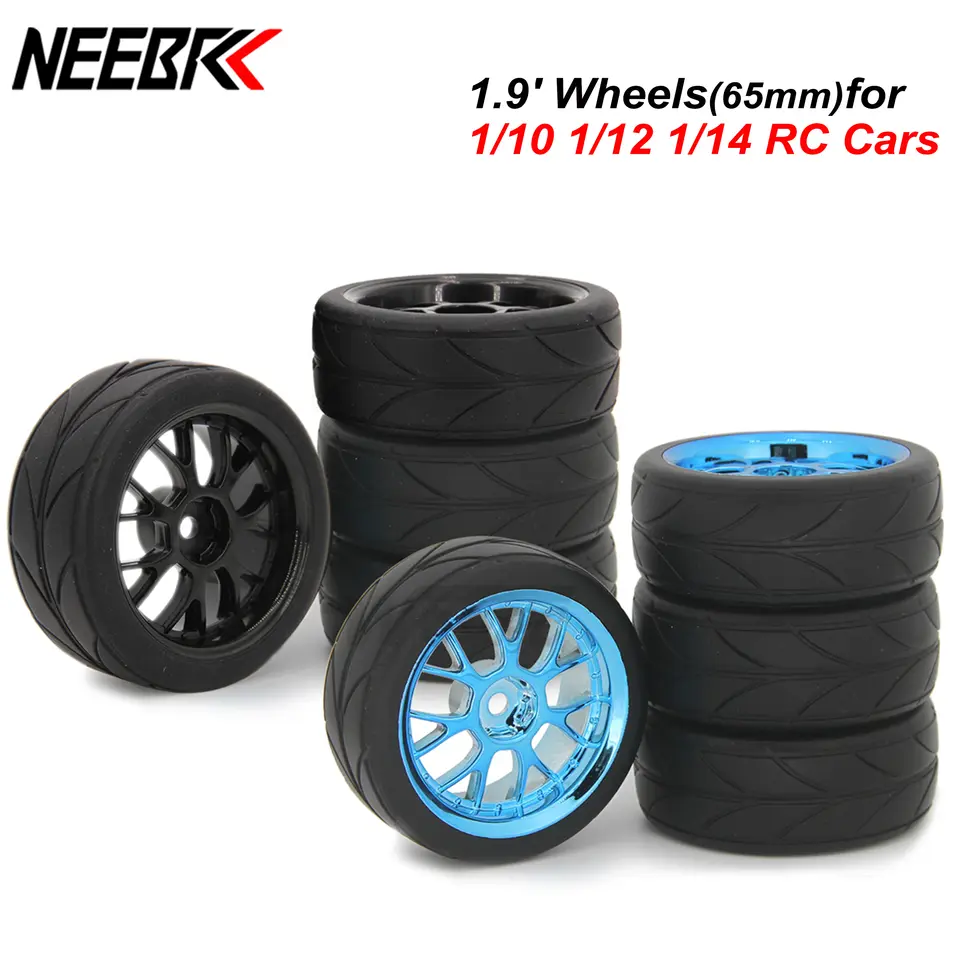
From$12.19
Est. delivery 7-12 days
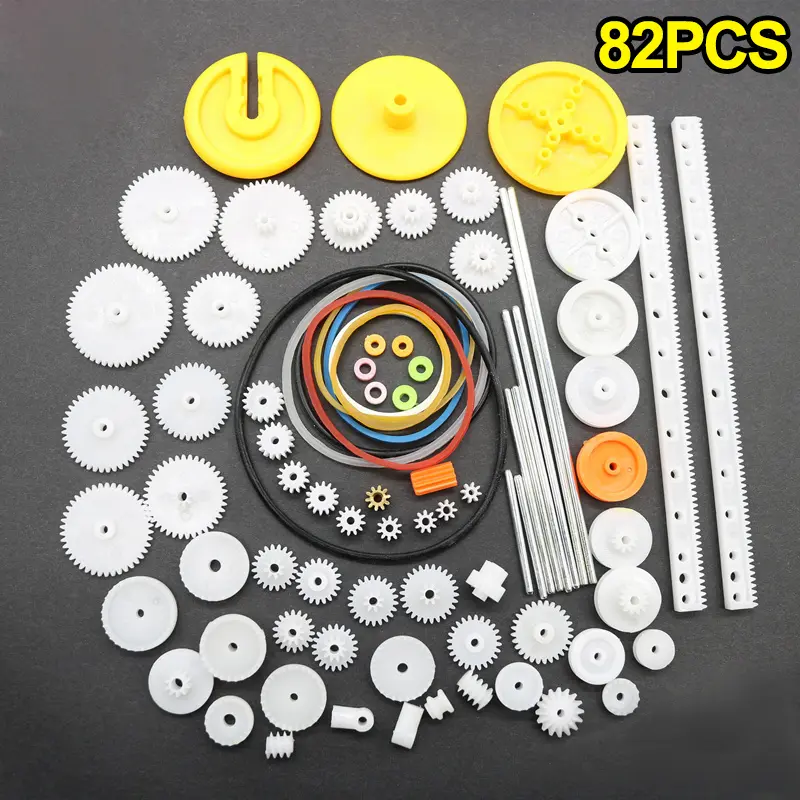
$10.88
Est. delivery 8-13 days
$18.17
Est. delivery 8-14 days
From$29.04
Free shippingEst. delivery 8-13 days
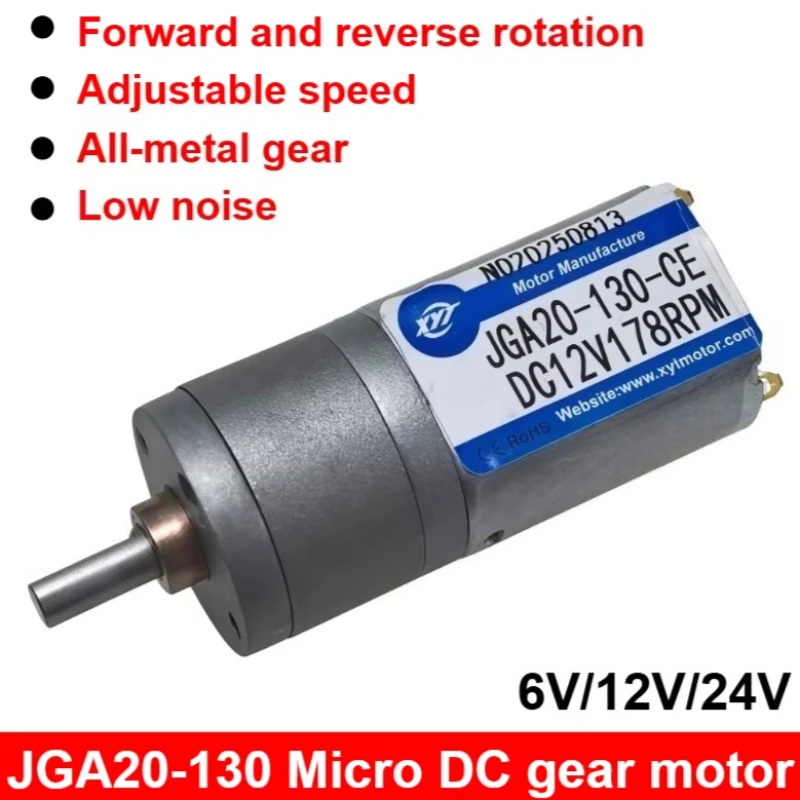
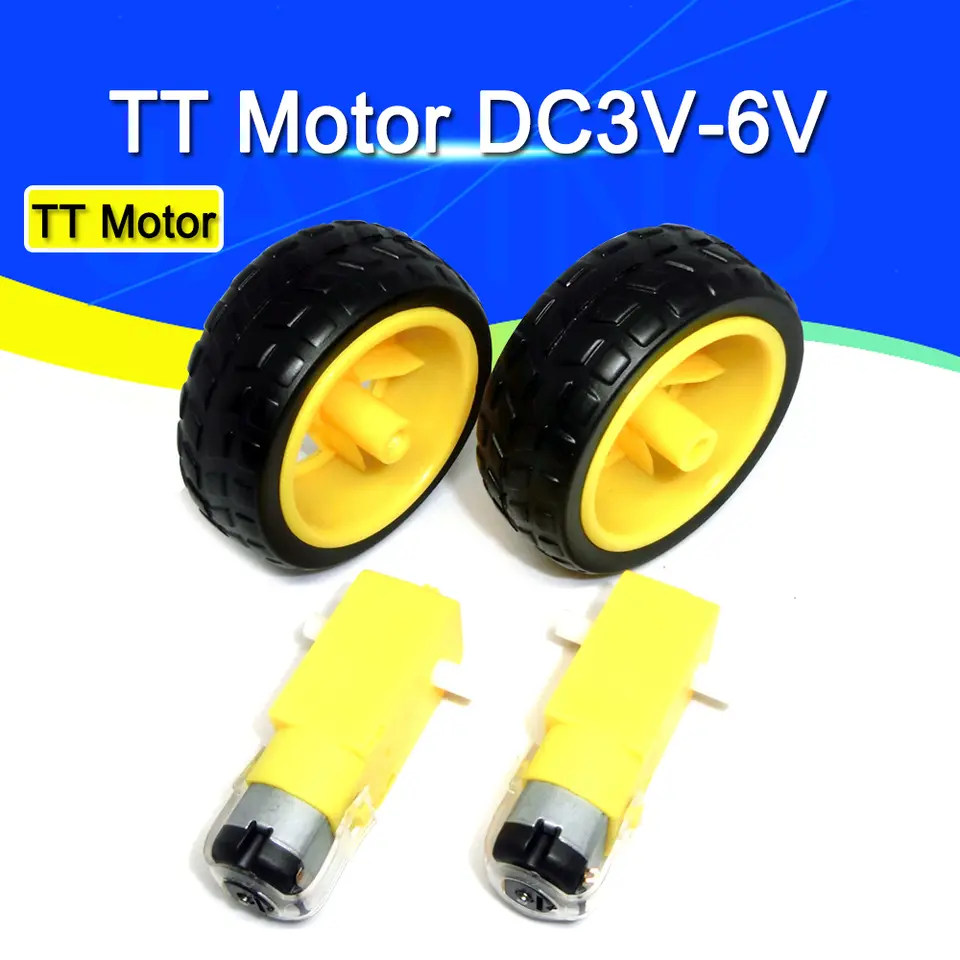
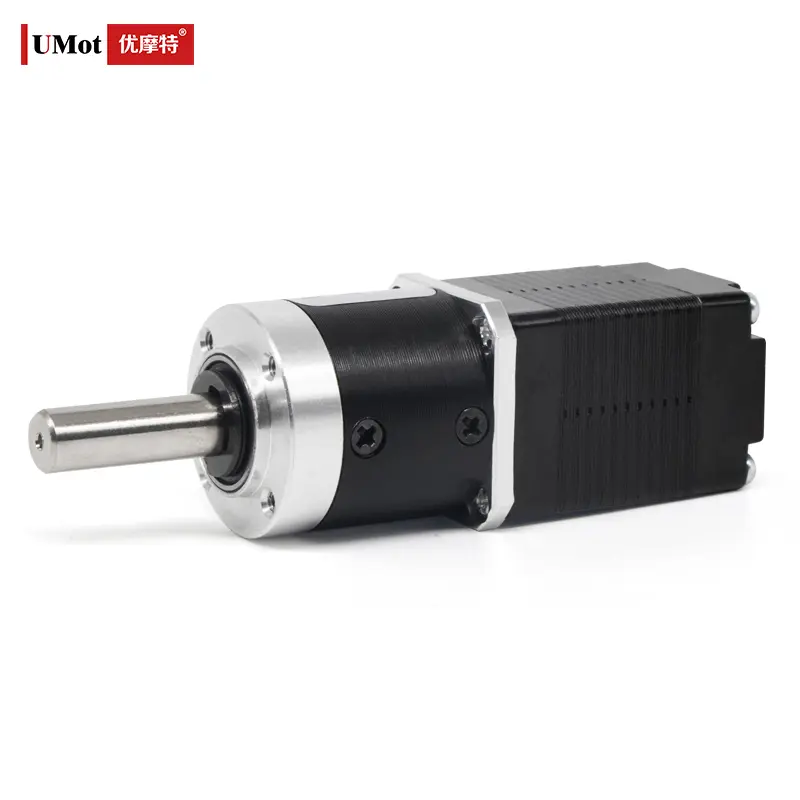
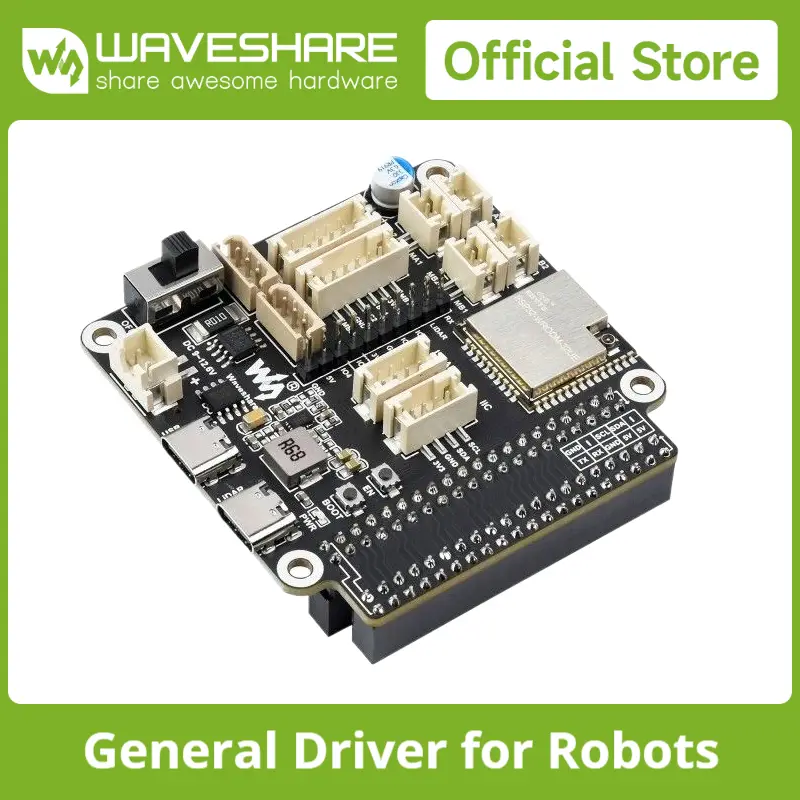
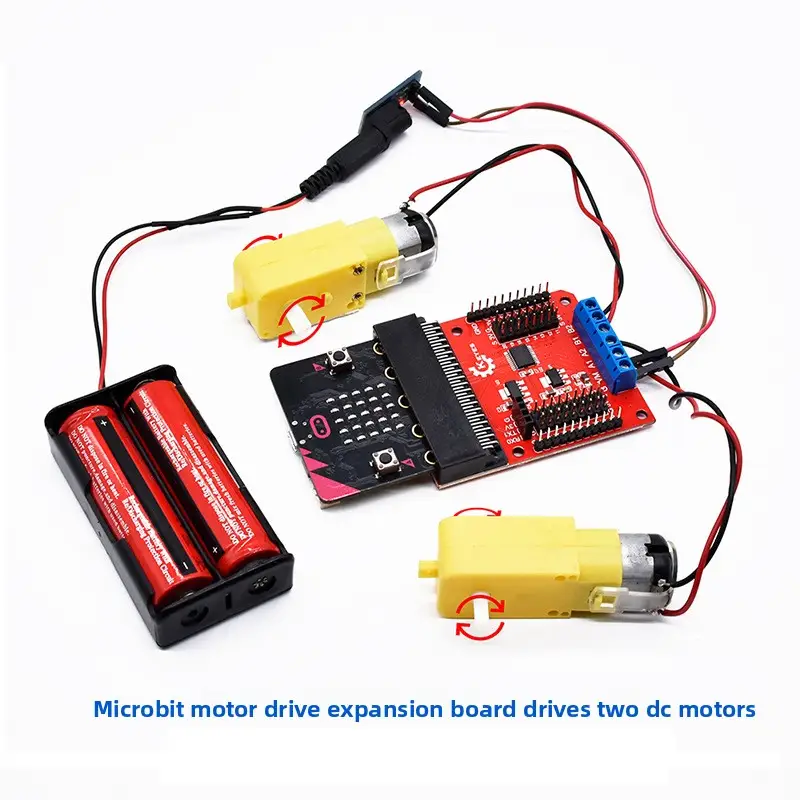
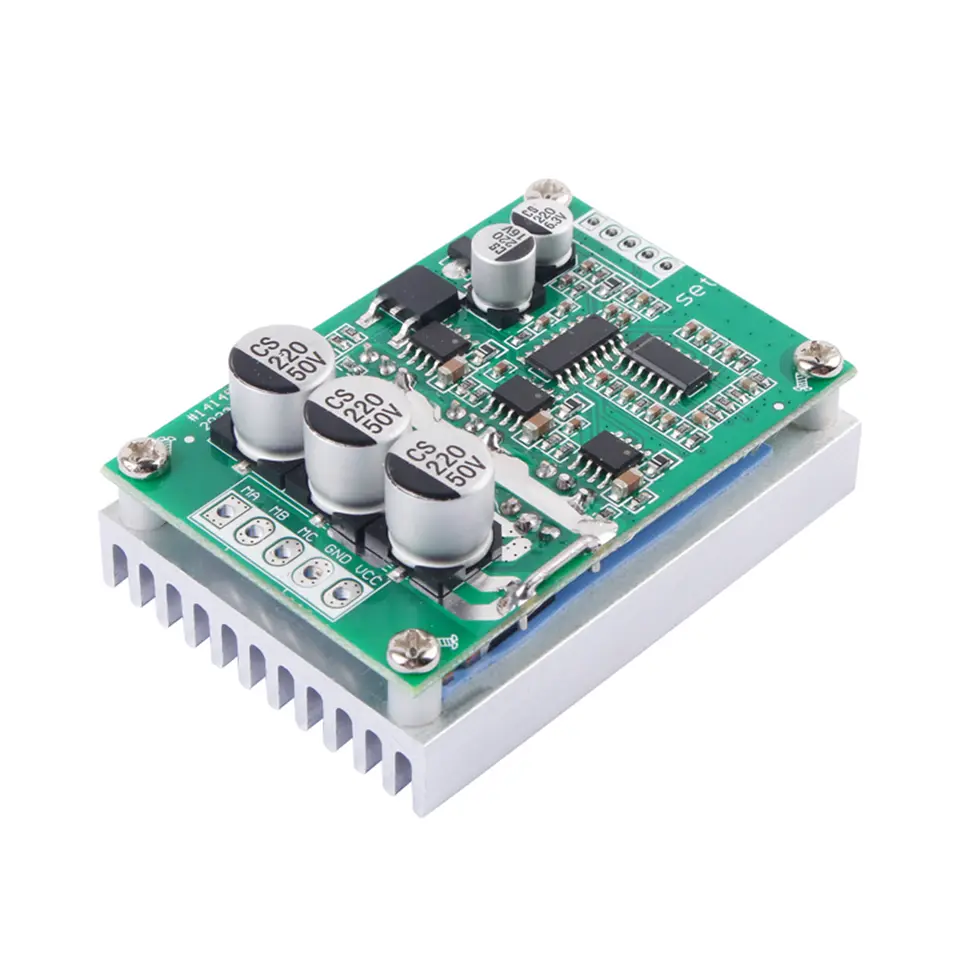
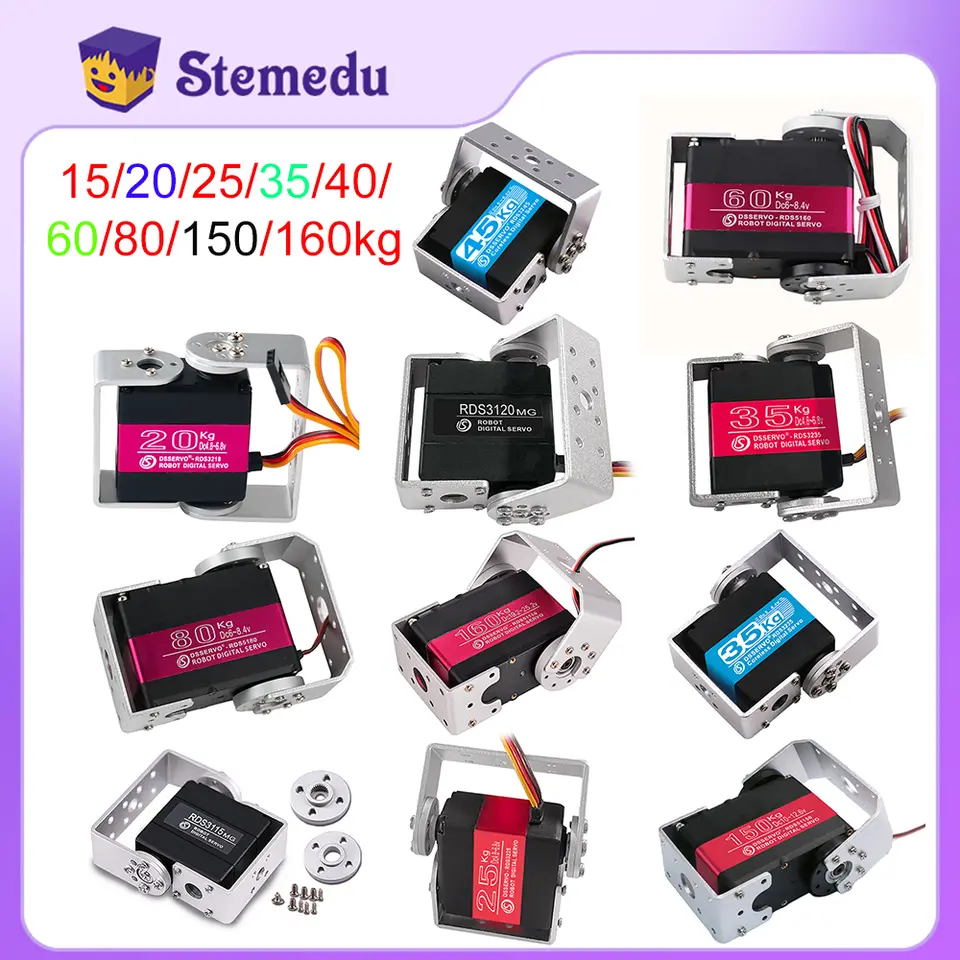
The parts that make a robot move. Hobby servos run from the 9 g SG90 and metal-gear MG90S up to the standard-size MG996R and waterproof high-torque servos, alongside serial bus servos from Feetech and Hiwonder that report their position back to the controller. For wheels and drivetrains there are TT and JGB37-520 gear motors, motors with Hall or magnetic encoders, mecanum wheels and the DC motor driver boards that run them, plus NEMA stepper motors, stepper drivers and linear actuators for slower, precise motion.
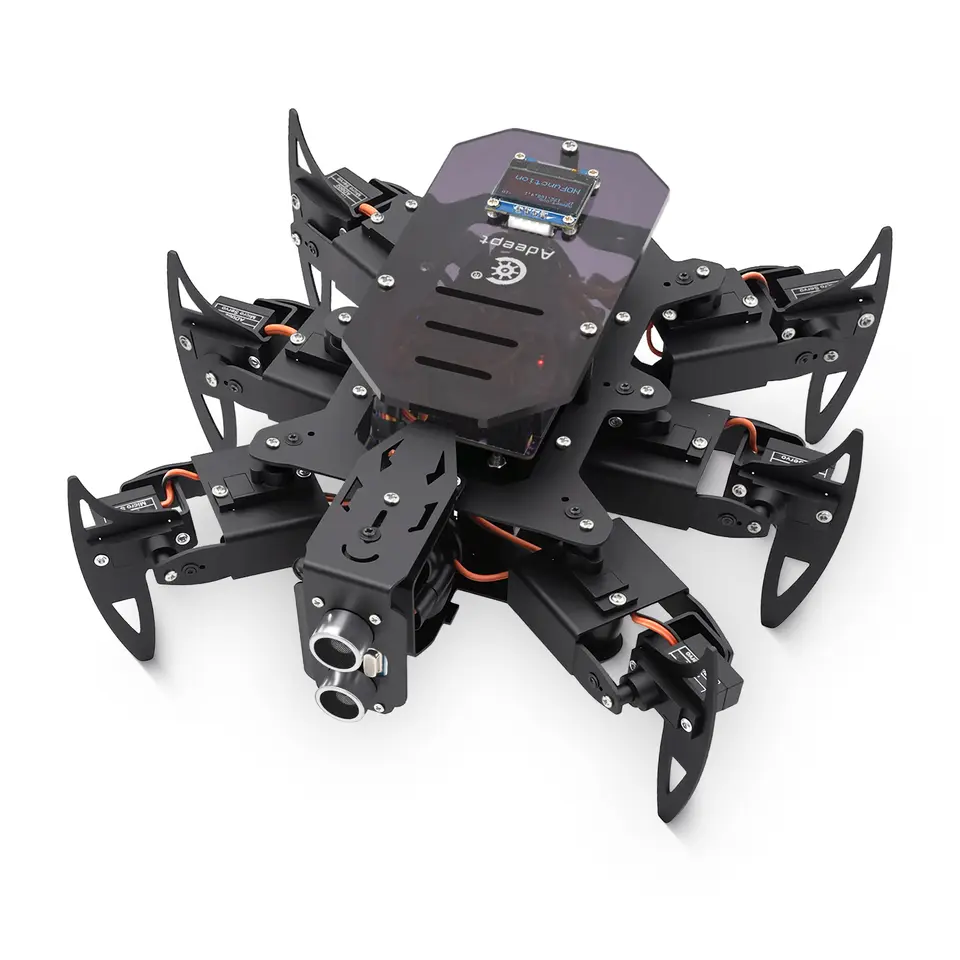
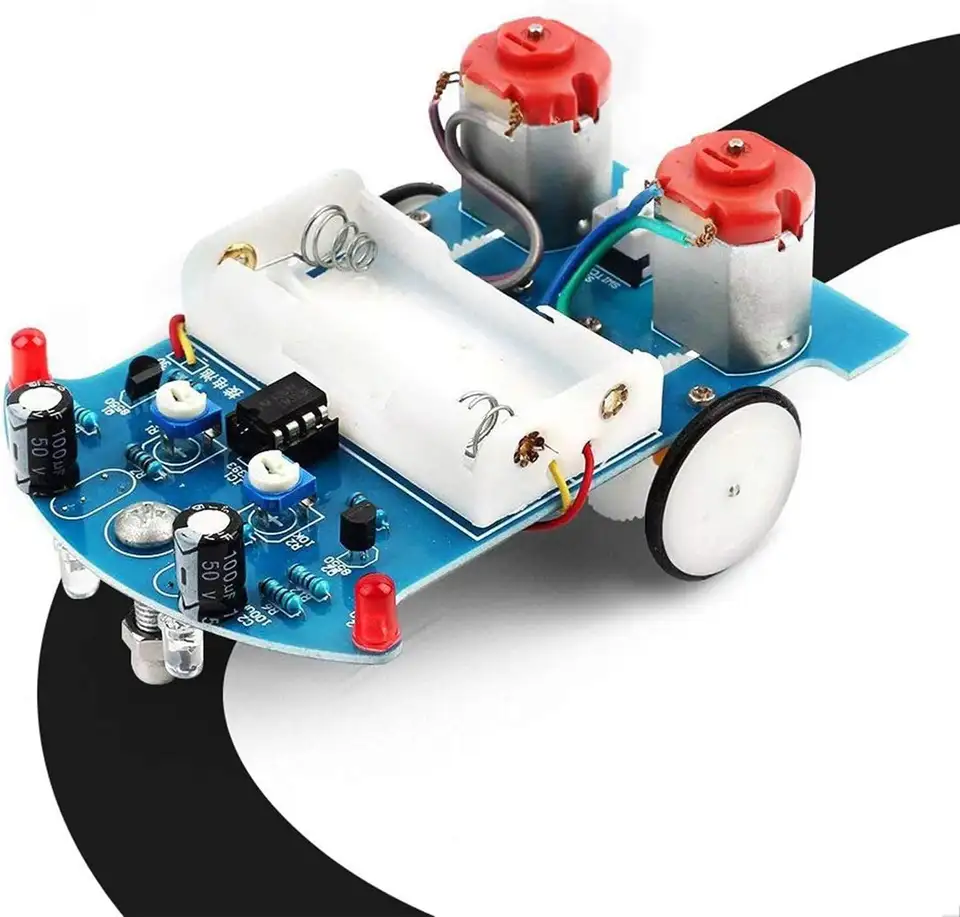
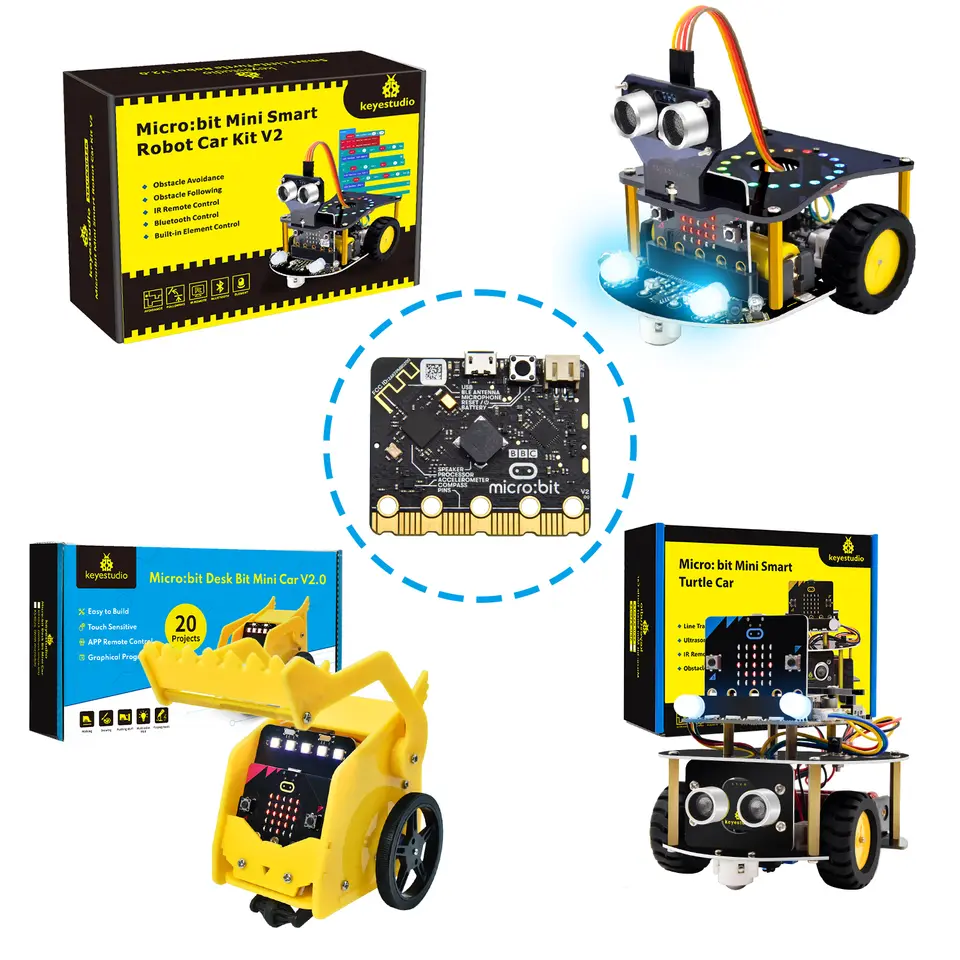
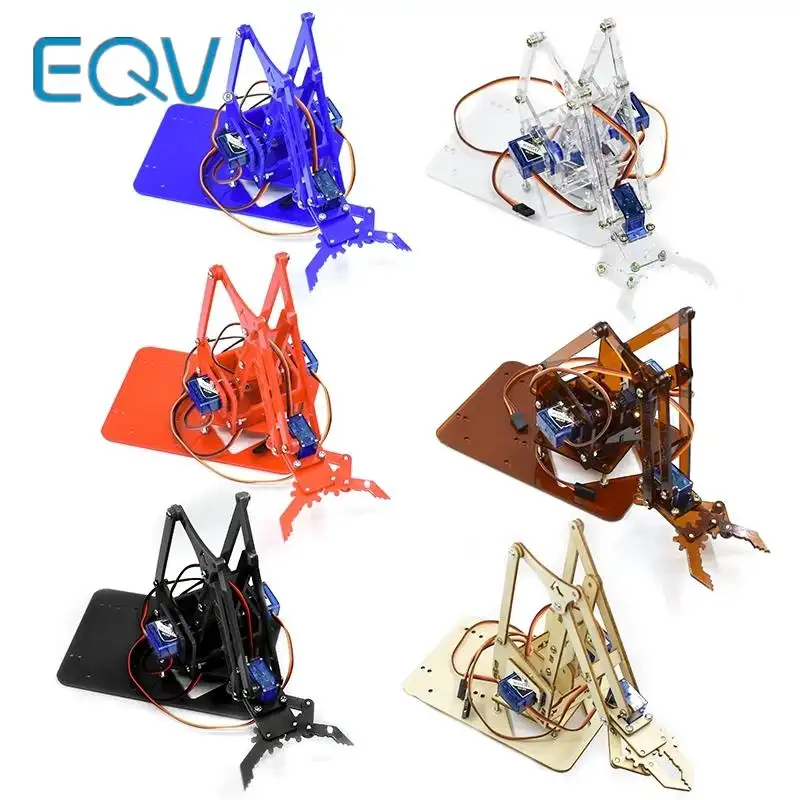
Complete kits are here too: 4-DOF and 6-DOF arm kits, the SO-ARM101 arm made for Hugging Face's LeRobot software, spider robots and micro:bit robot cars for classrooms. Before you order, check each motor's voltage and current on its listing against your power supply and driver, and leave a margin on torque.
82 listings today, from $2.76; half cost $19.51 or less.
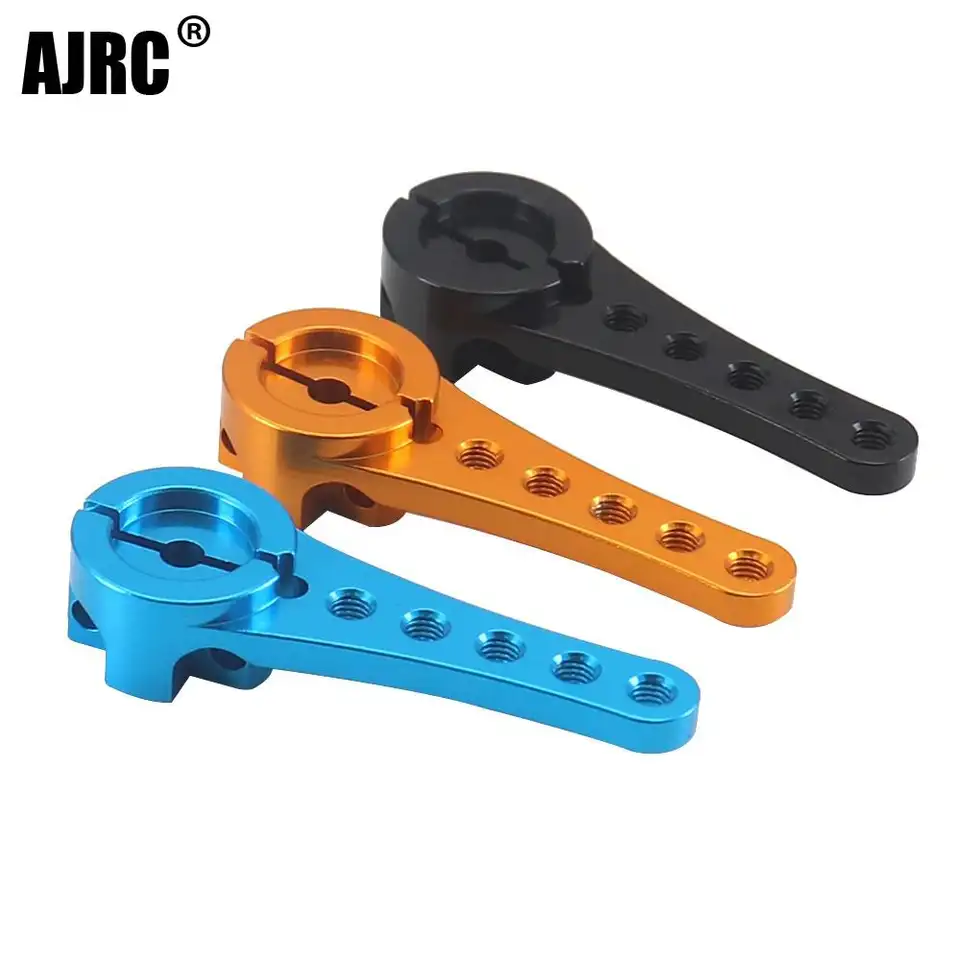
Start with the job. A gripper or a sensor mount only needs a light micro servo such as the SG90 or MG90S, while an arm's shoulder joint or a steering linkage needs a standard-size servo such as the MG996R. If you need position feedback or smooth movement across several joints, a serial bus servo reports its position, load and temperature back to your controller.
Stall torque is quoted in kg·cm at a stated voltage. It's the most the servo can do before it stops, not a working load, so leave a margin. Metal gears survive knocks that strip plastic ones. Positional servos hold an angle within their range; continuous-rotation versions spin freely and control speed instead.
Power servos from their own supply at the voltage on the listing, not from a microcontroller's 5 V pin, and connect the grounds together. Standard servos use a three-wire lead with a 2.54 mm pitch plug; bus servos need a bus driver board. Competition teams should check each part against the current season's manual before building it in.
Buying guides
Tell us the part name or number, and we'll review it for the catalog.