
$176.07
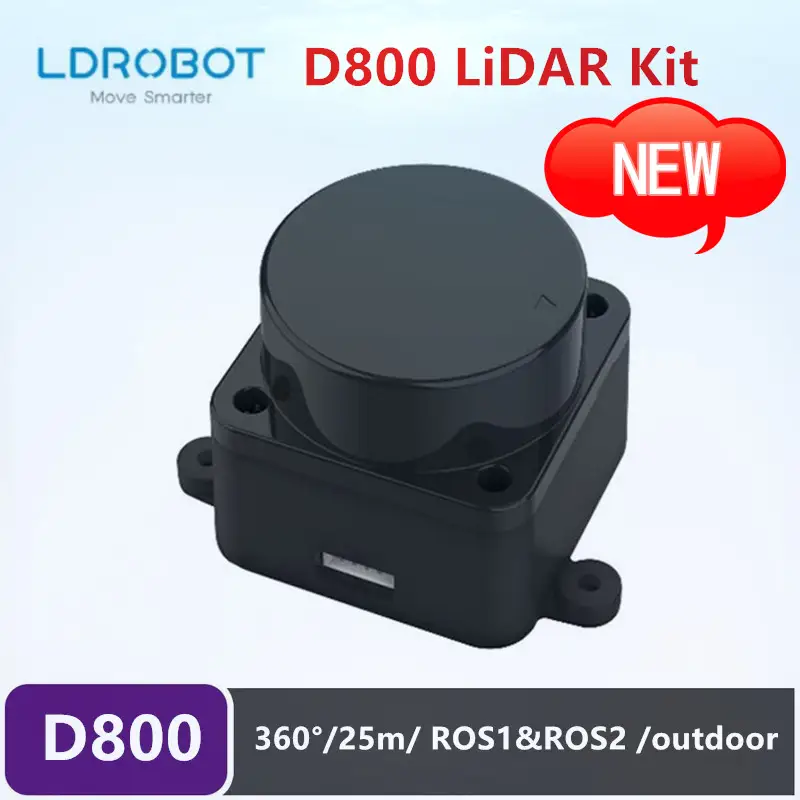
DTOF Scanning Lidar Kit for ROS1 and ROS2, SLAM Navigation for Robot Cars
Est. delivery 9-21 days
Ships to CanadaPrices in CAD
12 results
$176.07
Est. delivery 9-21 days
$80.20
Free shippingEst. delivery 8-14 days
$133.91
Free shippingEst. delivery 7-16 days
From$118.32
Est. delivery 9-20 days
From$27.82
Free shippingEst. delivery 10-14 days
From$37.33
Free shippingEst. delivery 6-12 days
$26.35
Est. delivery 7-23 days
$8.42
Est. delivery 7-18 days
From$12.31
Est. delivery 8-18 days
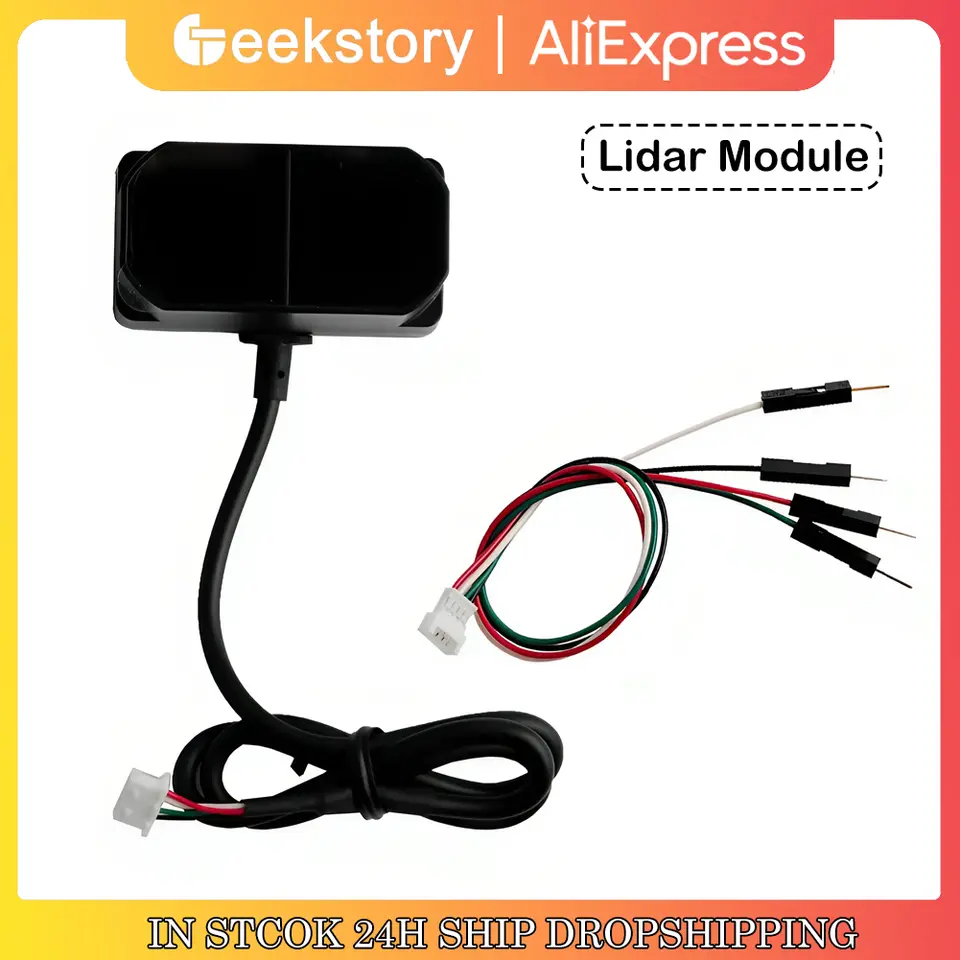
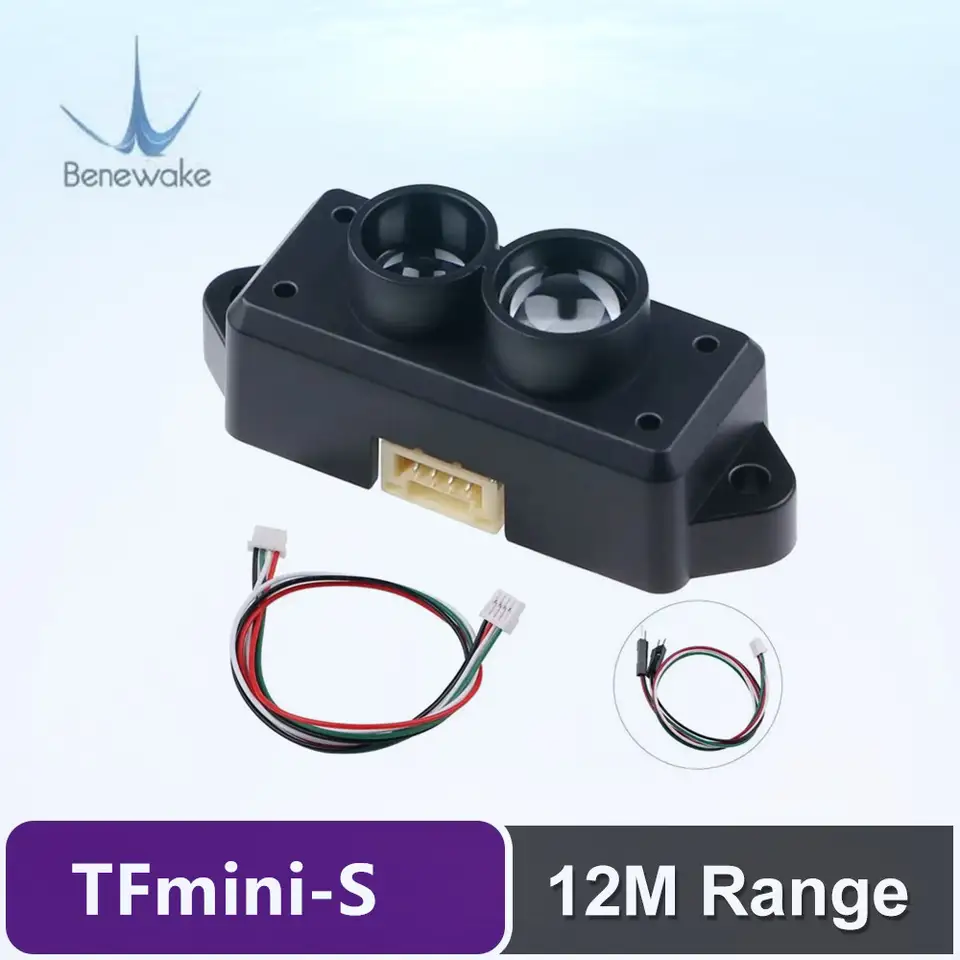
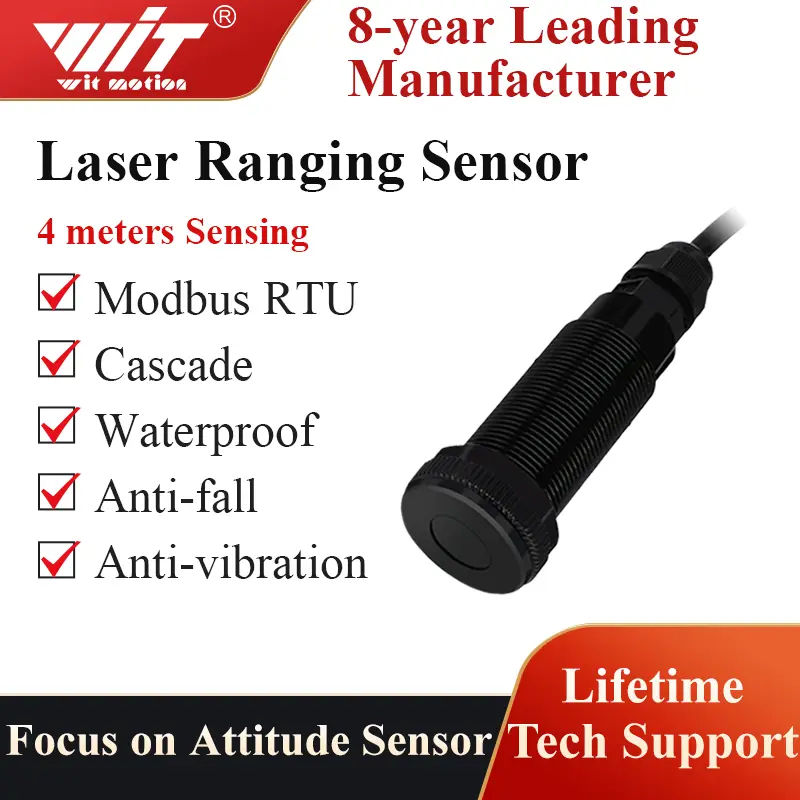
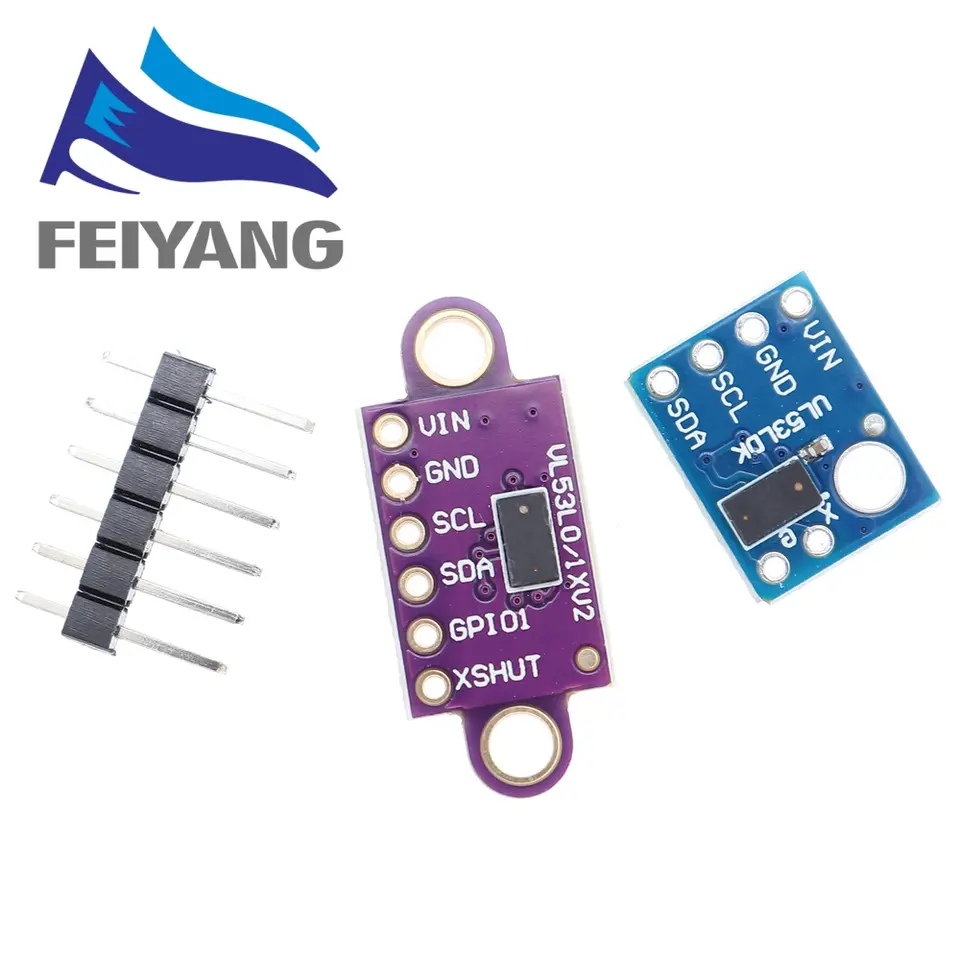
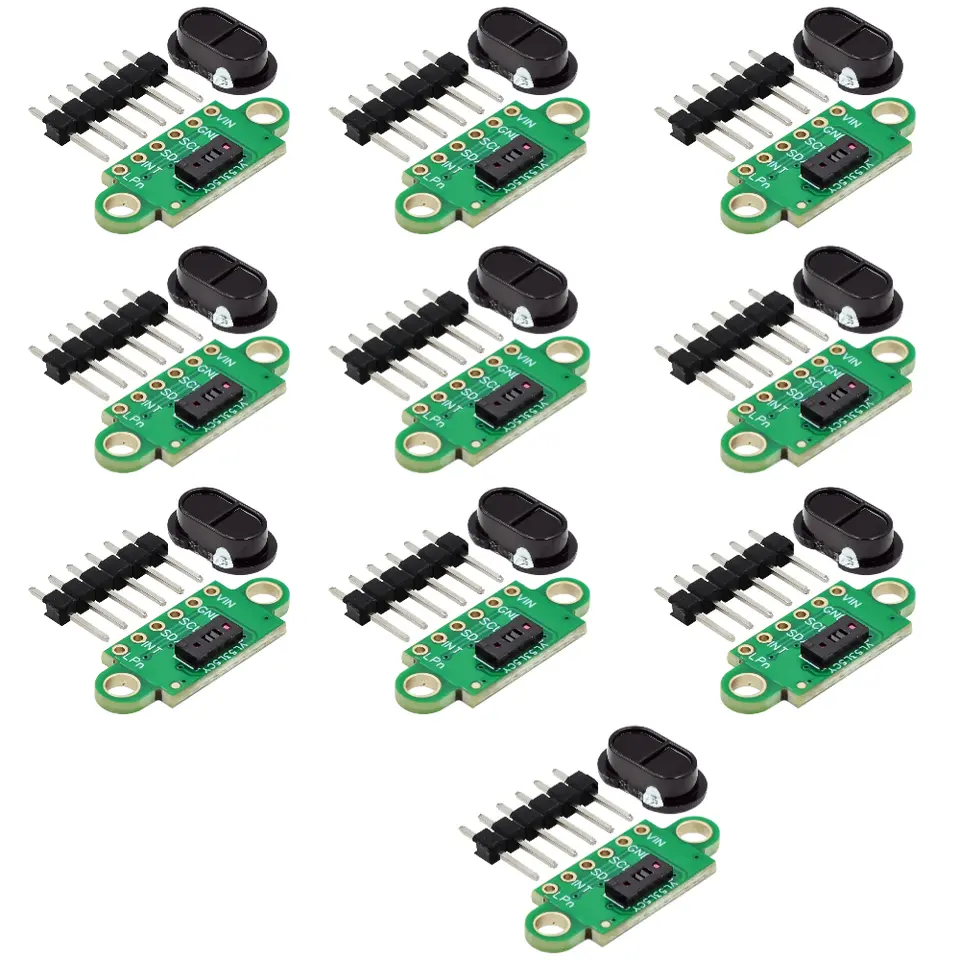
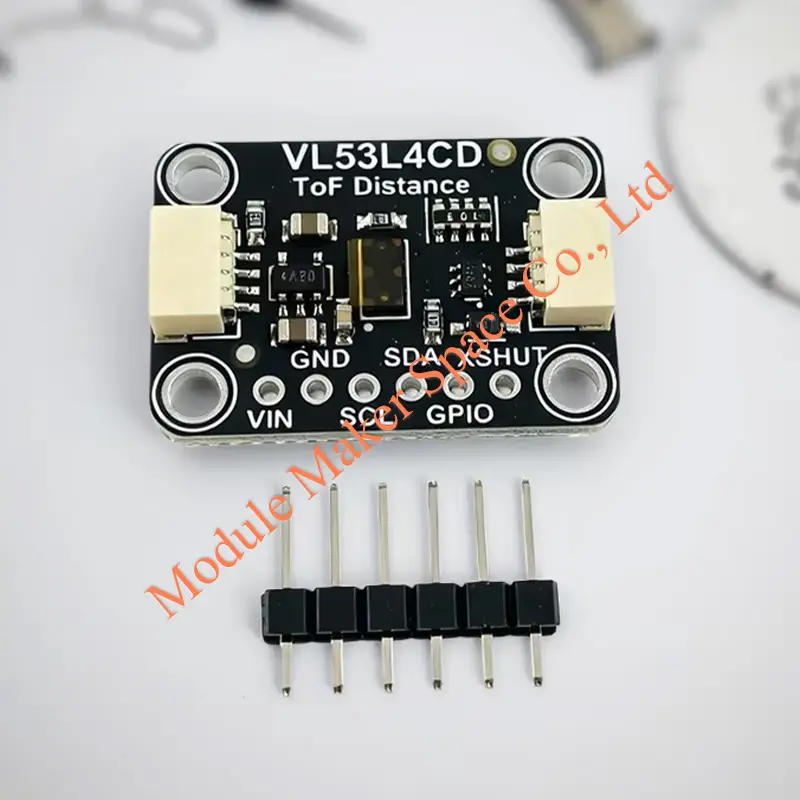
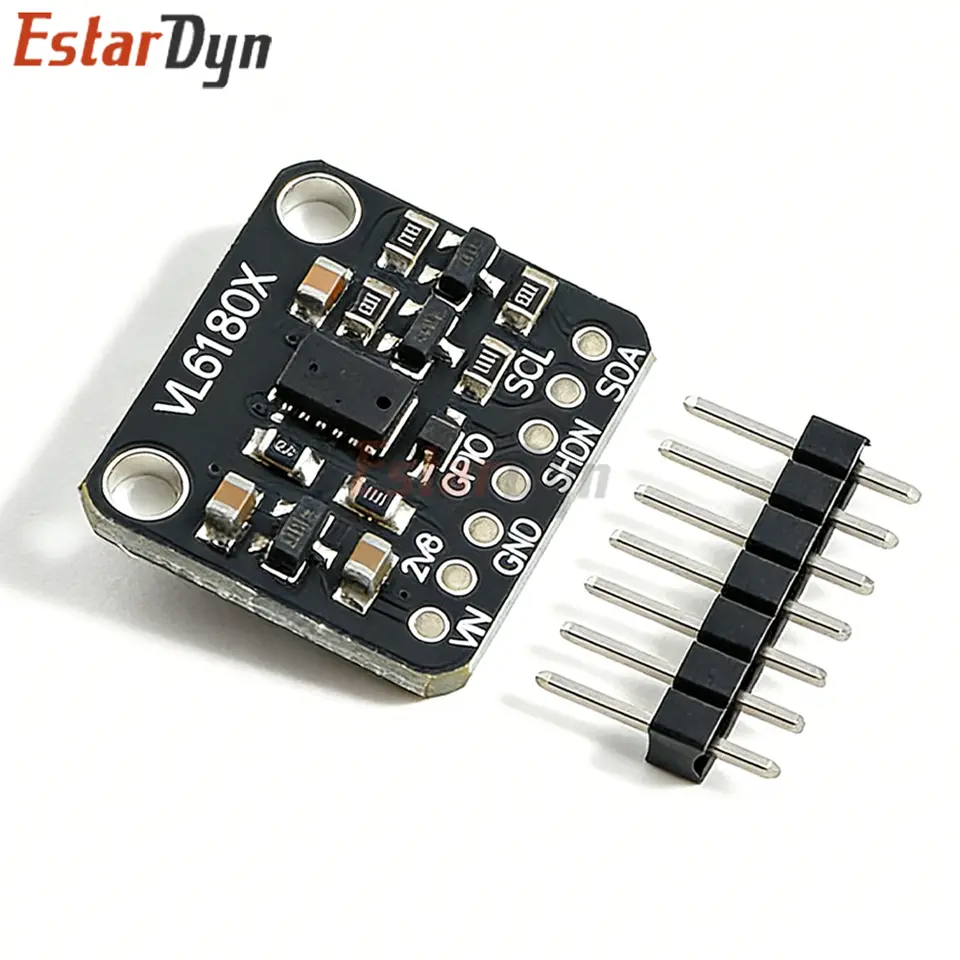
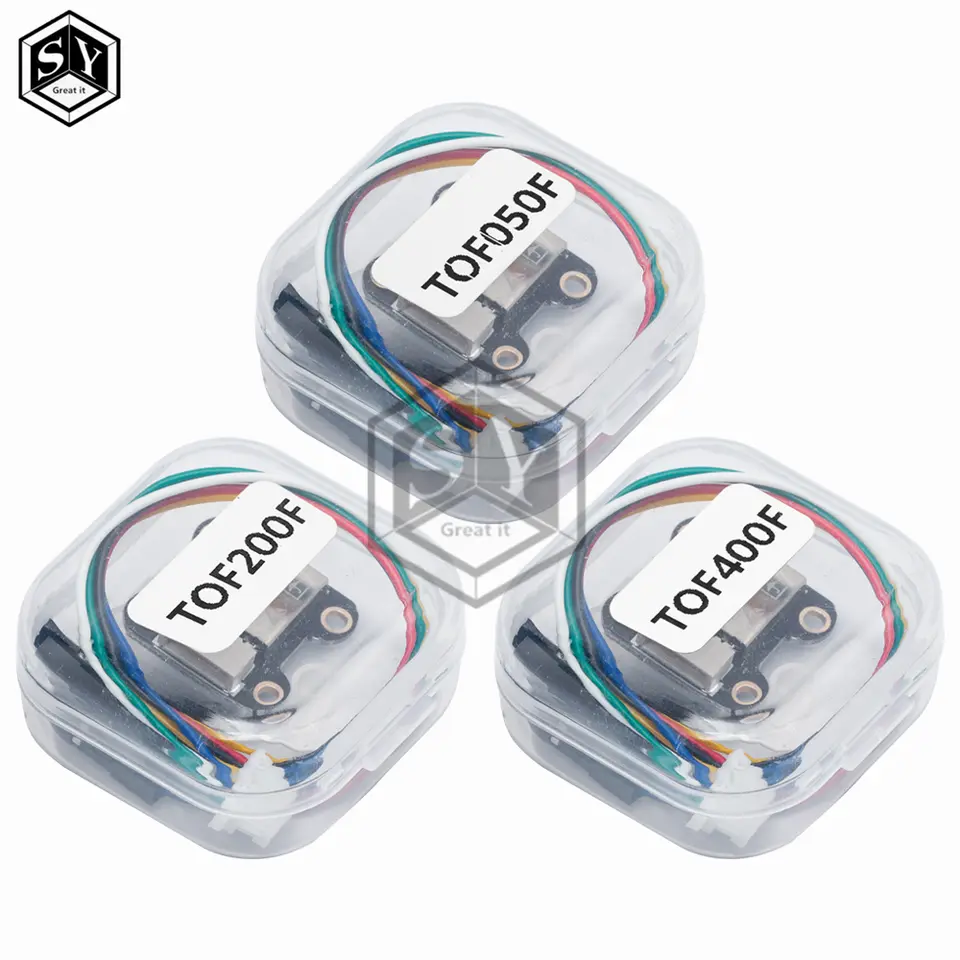
Time-of-flight sensors measure distance by timing a pulse of infrared laser light to an object and back. The small modules here cover three jobs. Single-zone ToF chips such as ST's VL53L0X, VL53L4CD and VL6180X sit on a small I2C board and measure from a few millimetres to a metre or two, which suits obstacle detection, gesture triggers and liquid levels. The VL53L5CX reads a grid of up to 8 x 8 zones, so it sees where an object is as well as how far away. Single-point LiDAR such as the Benewake TF-Luna, TFmini-S and TFmini Plus reaches 8 to 12 m over UART or I2C, for drones, rovers and parking sensors.
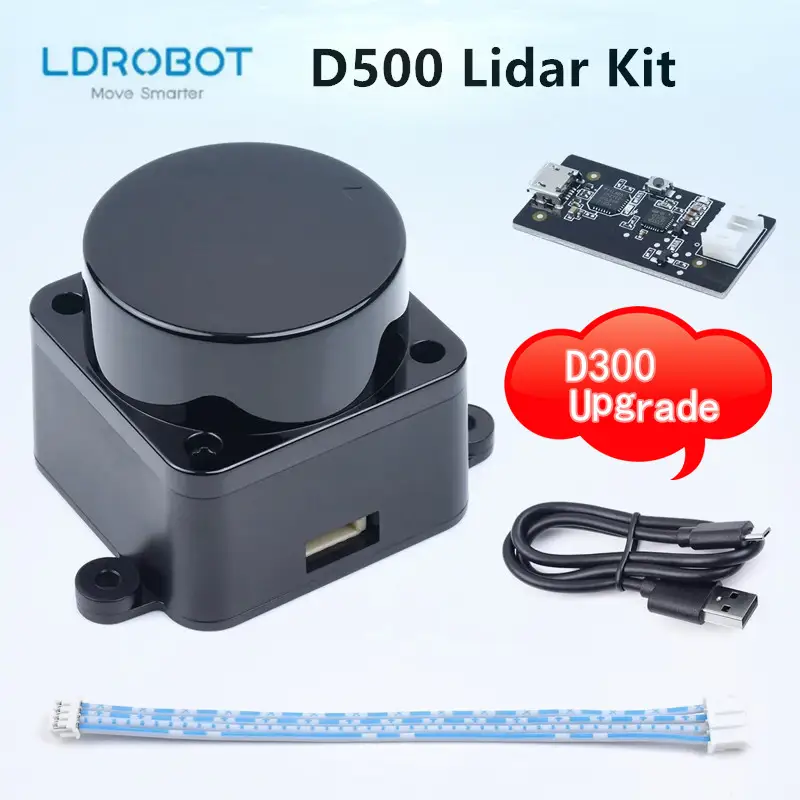
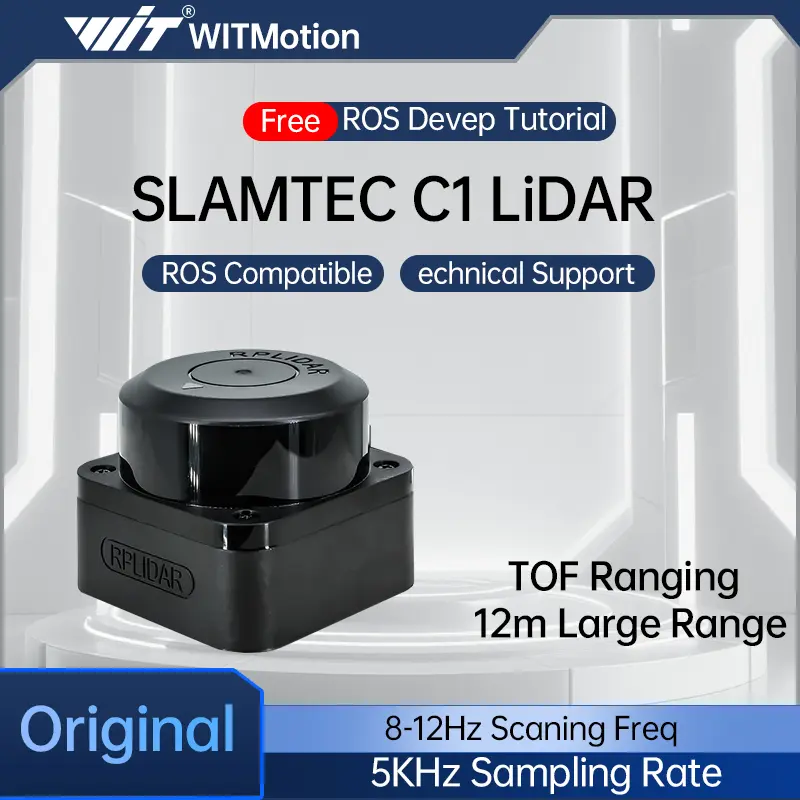
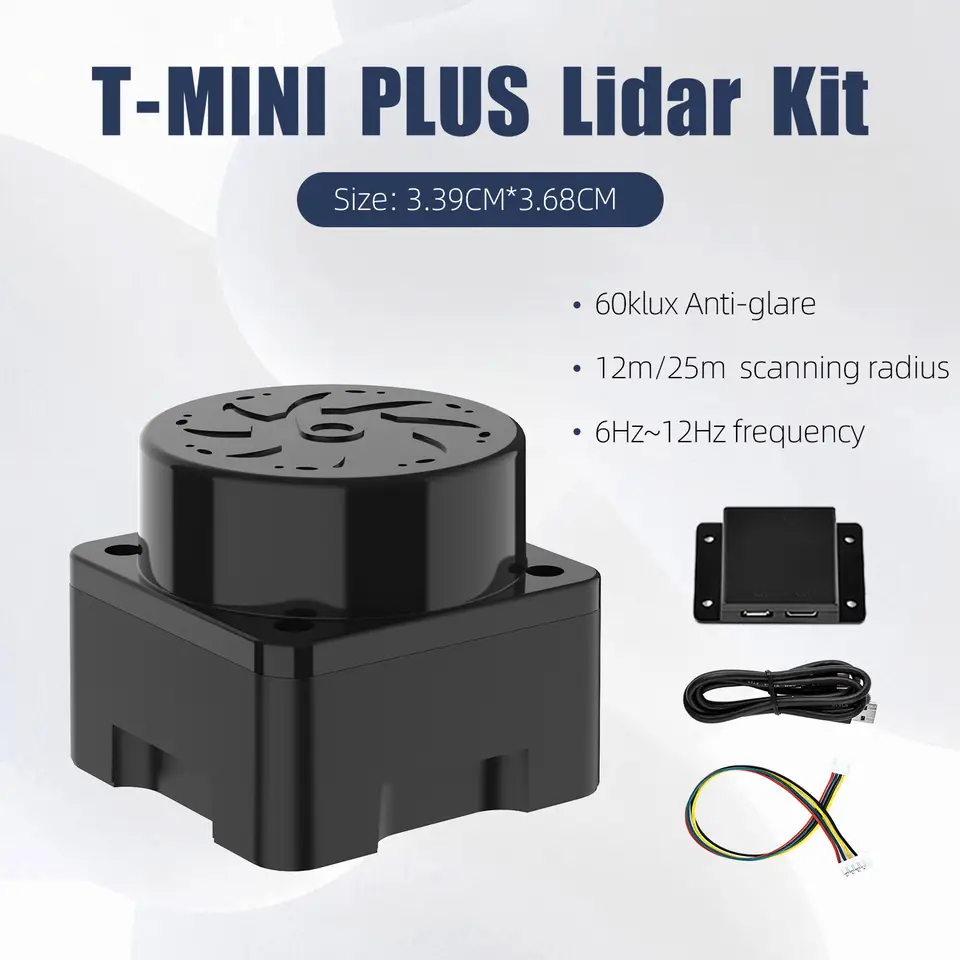
Scanning LiDAR such as the SLAMTEC RPLIDAR C1, the T-MINI Plus and the D500 spins a laser through 360° to map a whole room, which is what a robot needs for SLAM navigation in ROS. Check the range on each listing against your space, and the interface and supply voltage against your controller. Range drops on dark or shiny surfaces and in bright sunlight, so leave a margin, and mount the sensor where nothing on the robot blocks its view.
Quick checks before you order
Use a ToF chip for short ranges and tight spaces, a single-point LiDAR for one long reading such as height above the ground, and a 360° scanner when a robot has to map a room and find its way around it.
Most ToF breakouts run at 3.3 V or 5 V over I2C. Single-point LiDAR usually wants a 5 V supply and talks UART, and spinning scanners draw extra current while the motor starts, so check each listing before wiring.
VL53L0X-family sensors all start on the same I2C address, so give each its own address at start-up using its XSHUT pin, or use an I2C multiplexer. Mount the sensors so their beams don't overlap.
More in Sensors
Tell us the part name or number, and we'll review it for the catalog.