
From$7.91
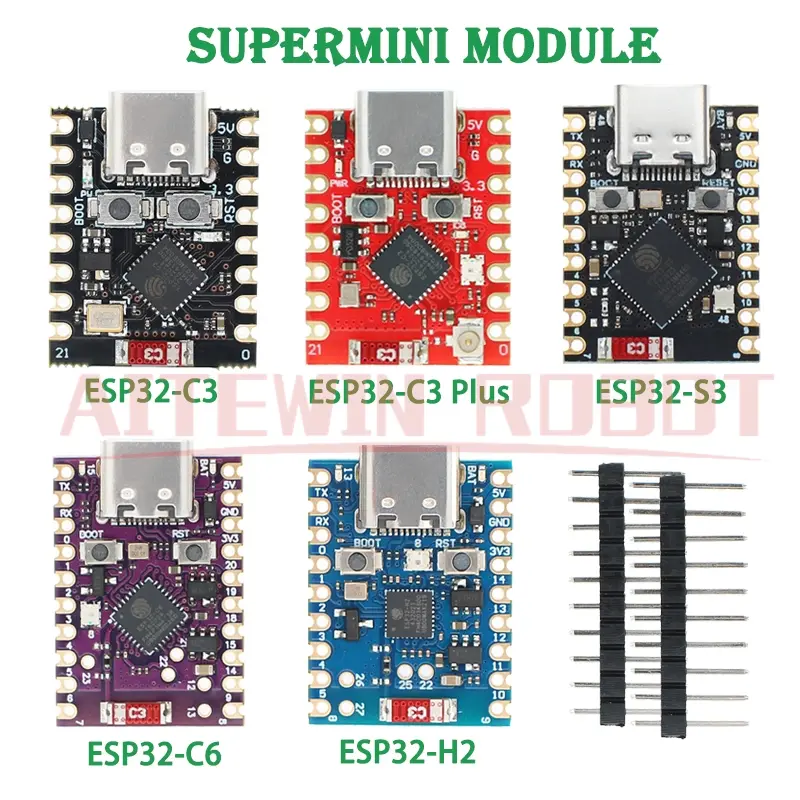
ESP32 SuperMini Development Board, ESP32-C3/C6/S3/H2, or Matching Expansion Board
Est. delivery 6-12 days
Ships to CanadaPrices in CAD
43 results
From$7.91
Est. delivery 6-12 days
From$27.57
Est. delivery 7-22 days
$22.68
Free shippingEst. delivery 9-13 days
$25.62
Free shippingEst. delivery 6-12 days

$22.68
Free shippingEst. delivery 7-16 days
From$8.43
Est. delivery 9-14 days
From$4.88
Est. delivery 9-14 days

$51.23
Free shippingEst. delivery 8-12 days

From$12.92
Est. delivery 8-12 days
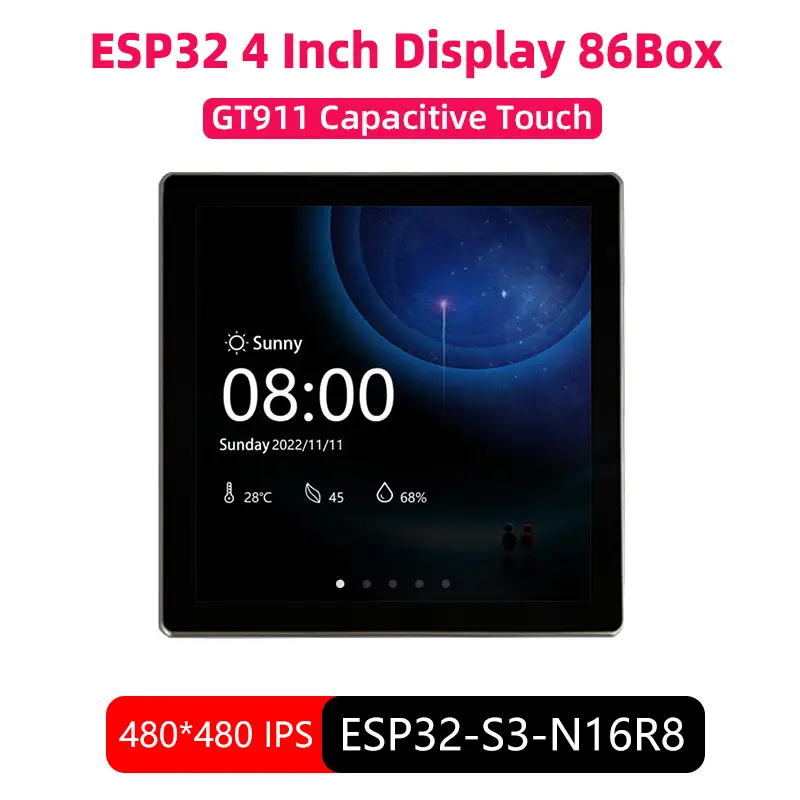
$56.85
Free shippingEst. delivery 8-13 days
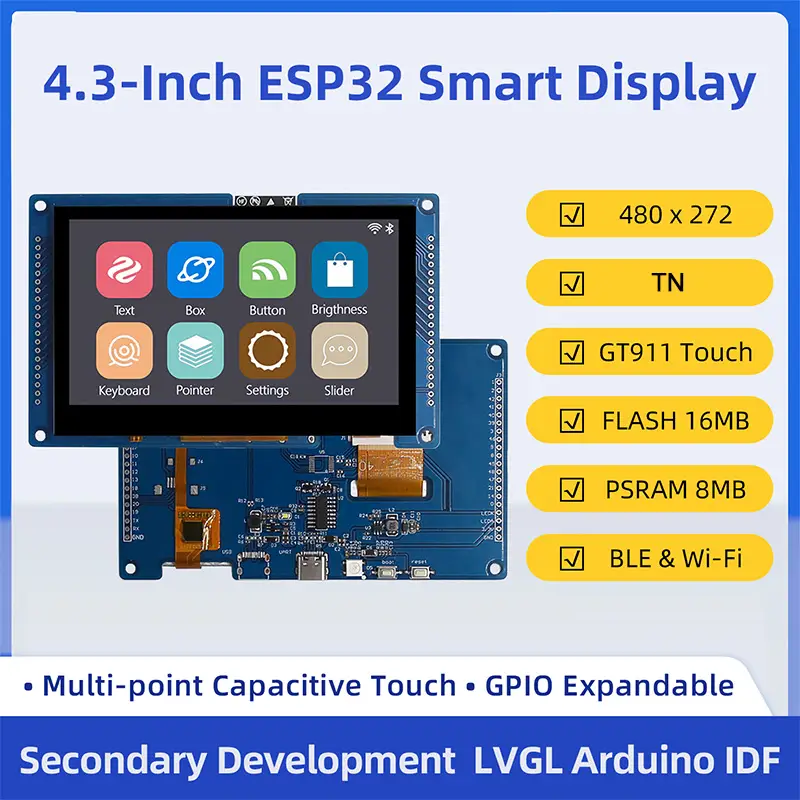
$50.75
Free shippingEst. delivery 8-13 days
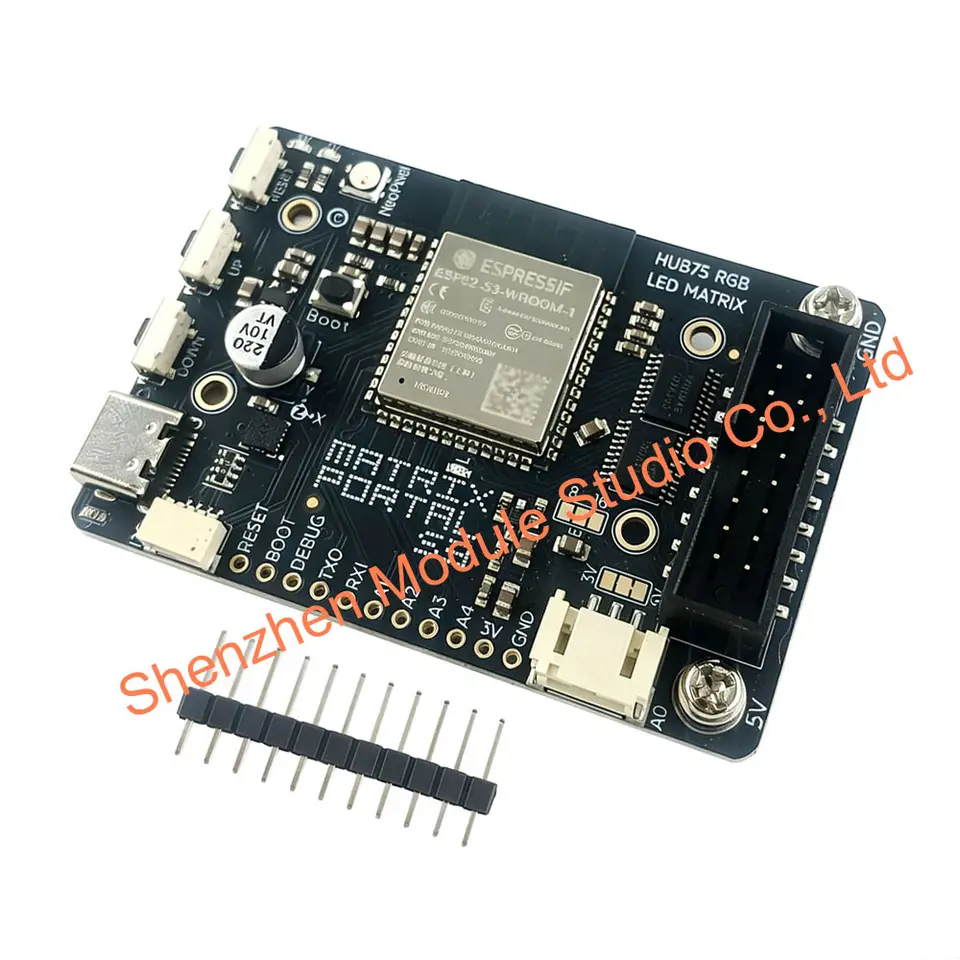
$33.92
Est. delivery 9-16 days
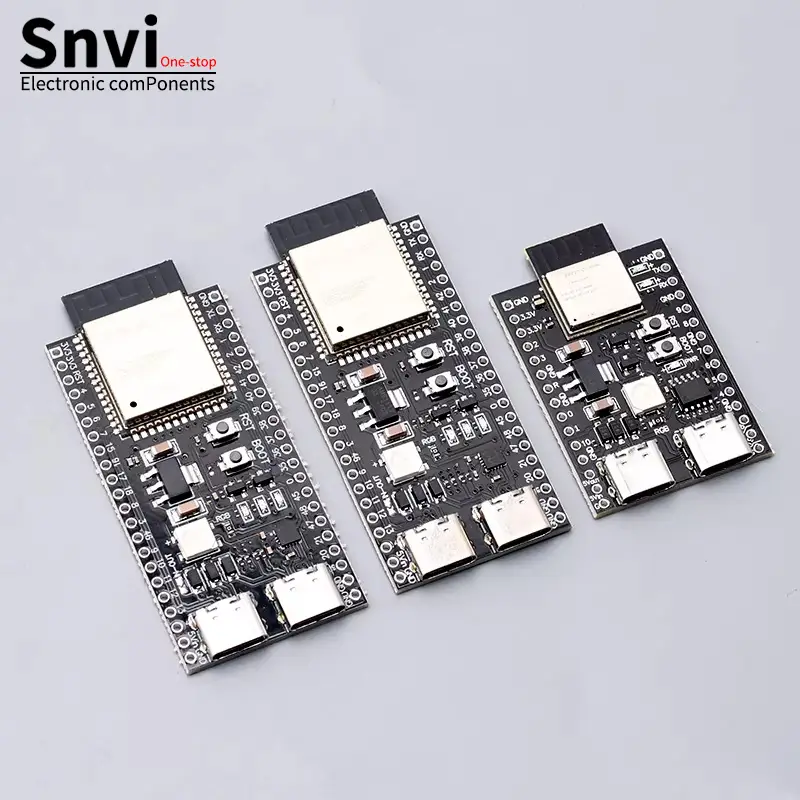
From$12.19
Est. delivery 8-12 days
$40.74
Free shippingEst. delivery 7-18 days

From$79.83
Est. delivery 11-15 days
$96.71
Free shippingEst. delivery 7-16 days
$41.71
Free shippingEst. delivery 6-12 days
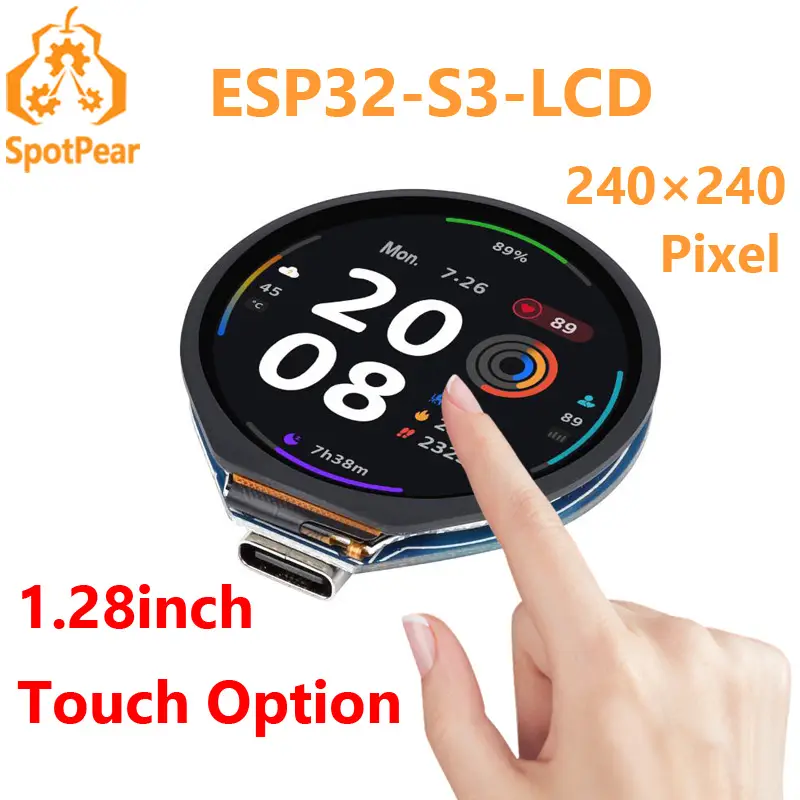
From$47.34
Free shippingEst. delivery 9-14 days
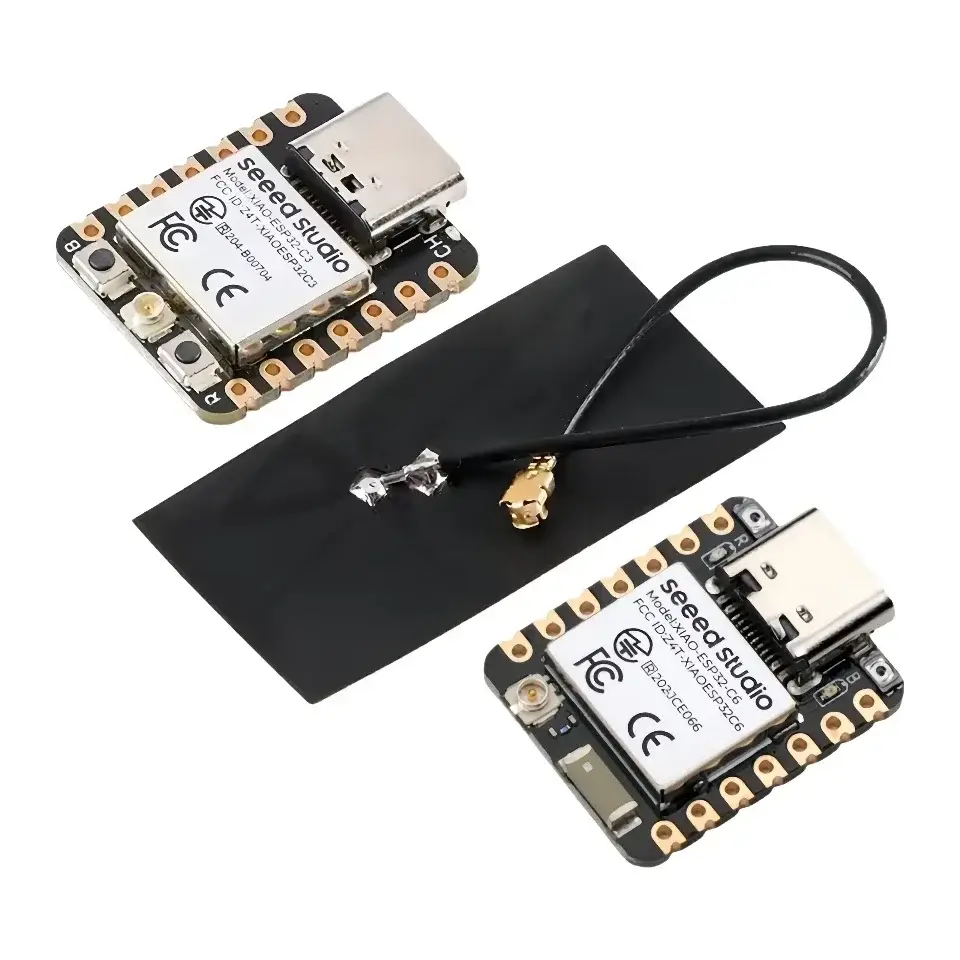
$26.10
Free shippingEst. delivery 7-18 days
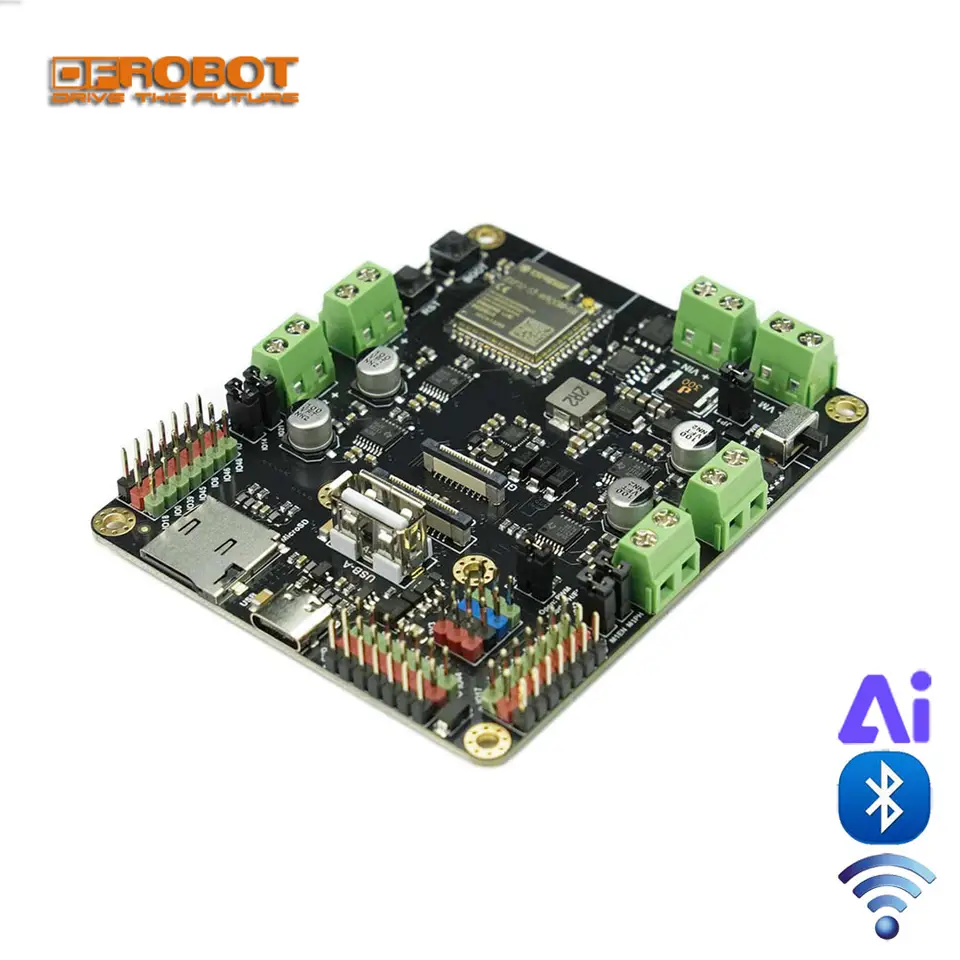
$88.03
Free shippingEst. delivery 7-17 days
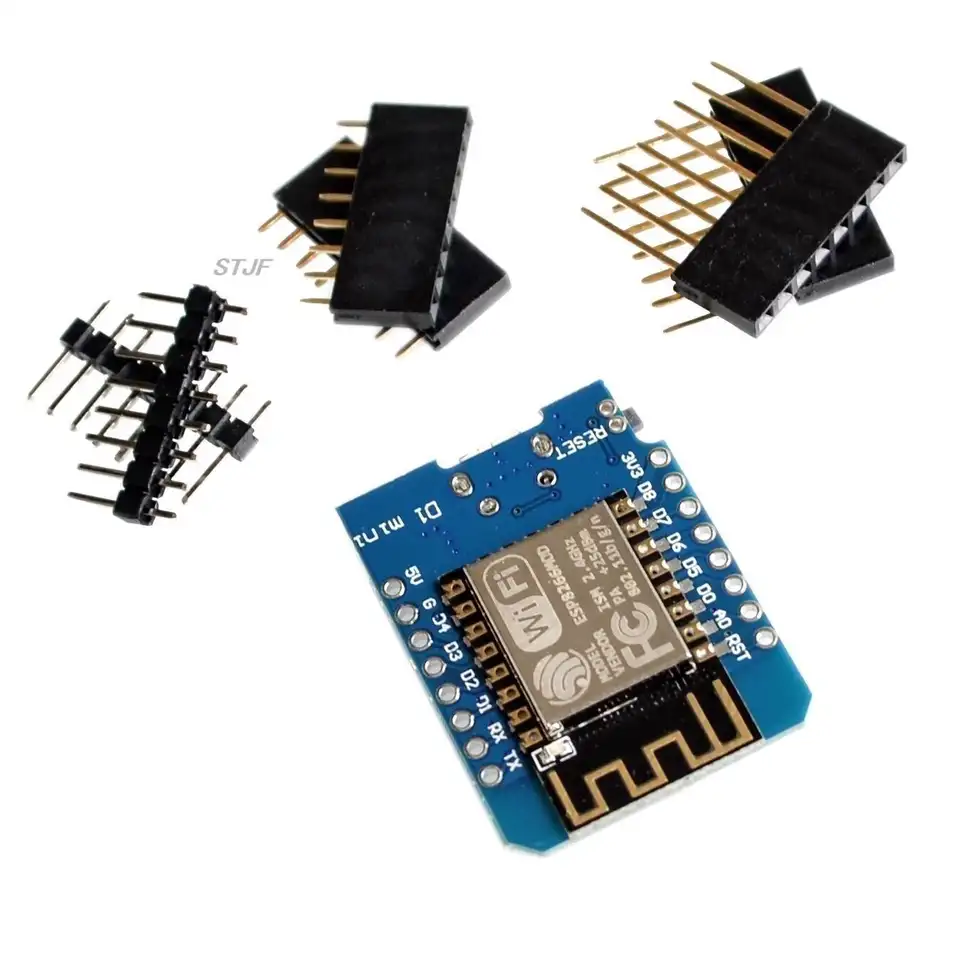
From$5.37
Est. delivery 7-18 days
$40.49
Free shippingEst. delivery 8-12 days
From$19.28
Est. delivery 7-16 days
From$61.23
Free shippingEst. delivery 8-13 days
$26.60
Est. delivery 8-14 days
$63.23
Est. delivery 7-22 days

From$12.07
Est. delivery 8-14 days
$37.58
Free shippingEst. delivery 6-12 days
$62.86
Est. delivery 11-15 days
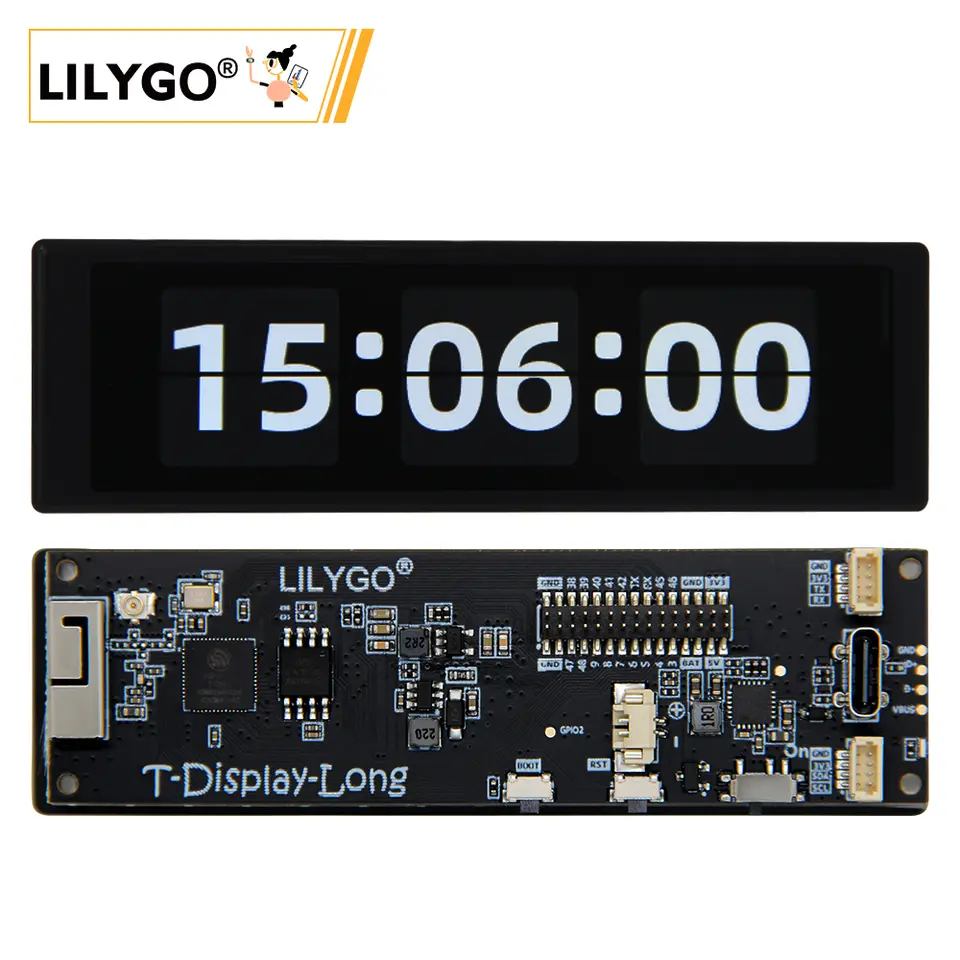
$58.32
Est. delivery 11-15 days
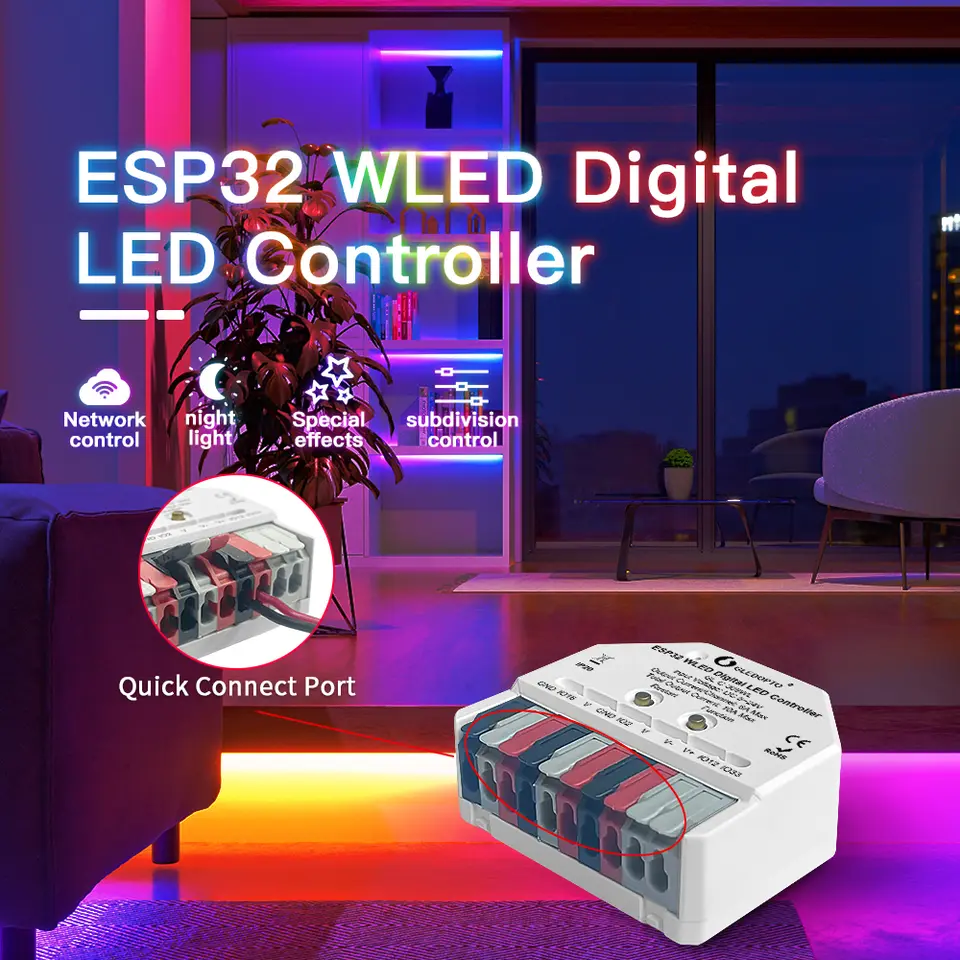
From$28.29
Free shippingEst. delivery 6-12 days
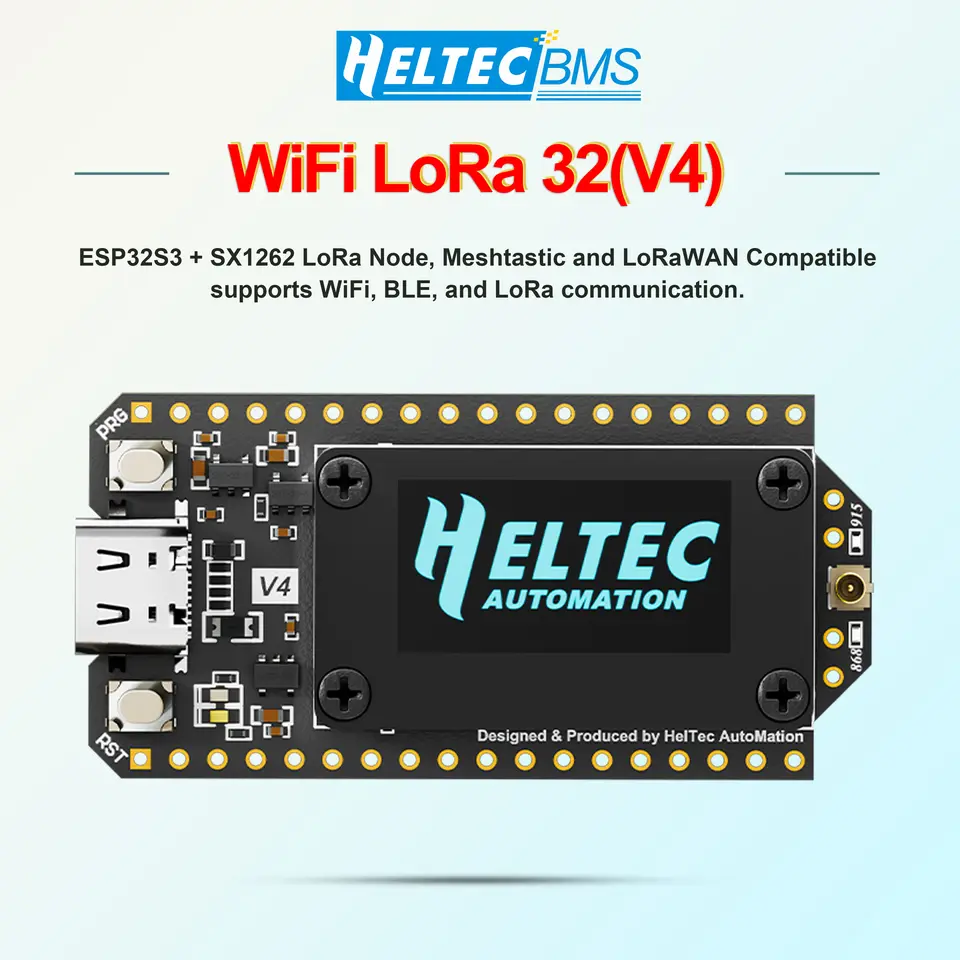
From$52.94
Free shippingEst. delivery 9-14 days
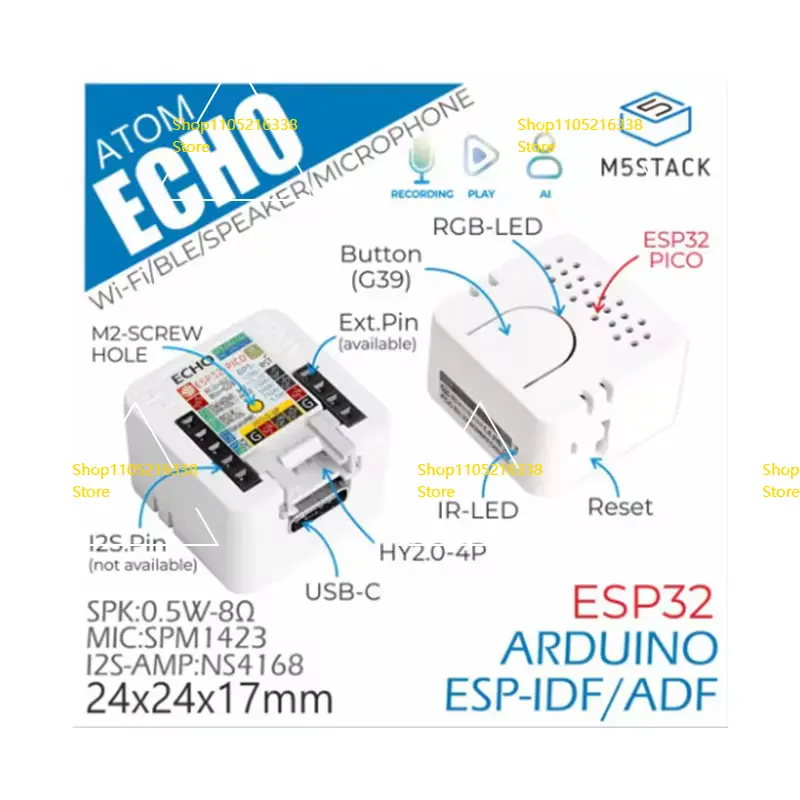
$26.35
Est. delivery 7-23 days

$88.03
Est. delivery 9-18 days
From$43.91
Free shippingEst. delivery 8-13 days
$76.87
Est. delivery 11-15 days
From$23.47
Est. delivery 10-18 days

From$1.84
Est. delivery 23-30 days
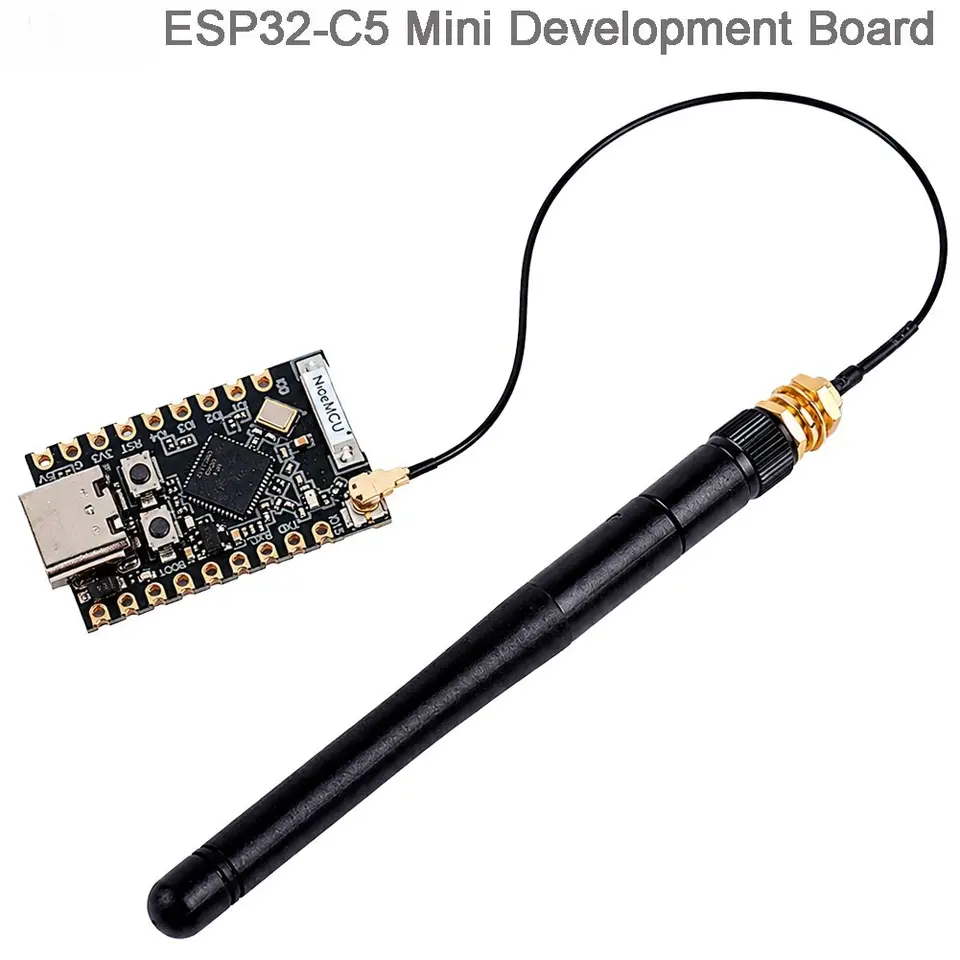
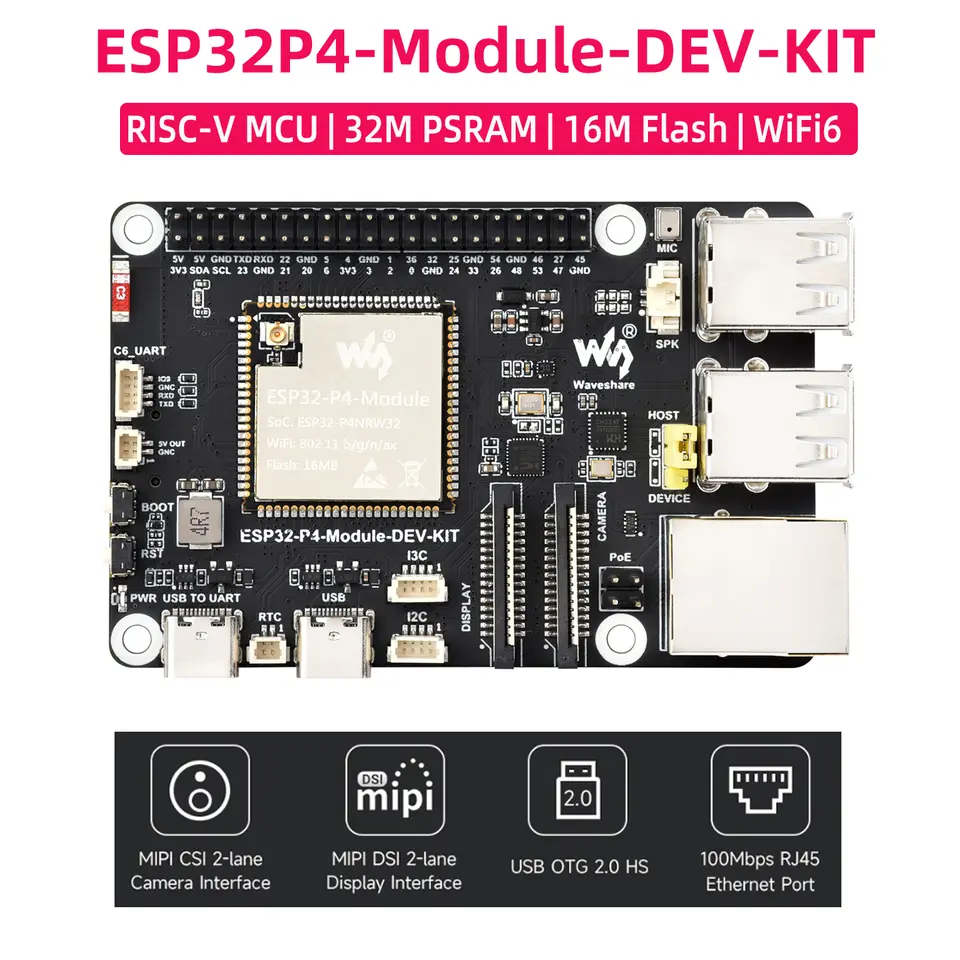
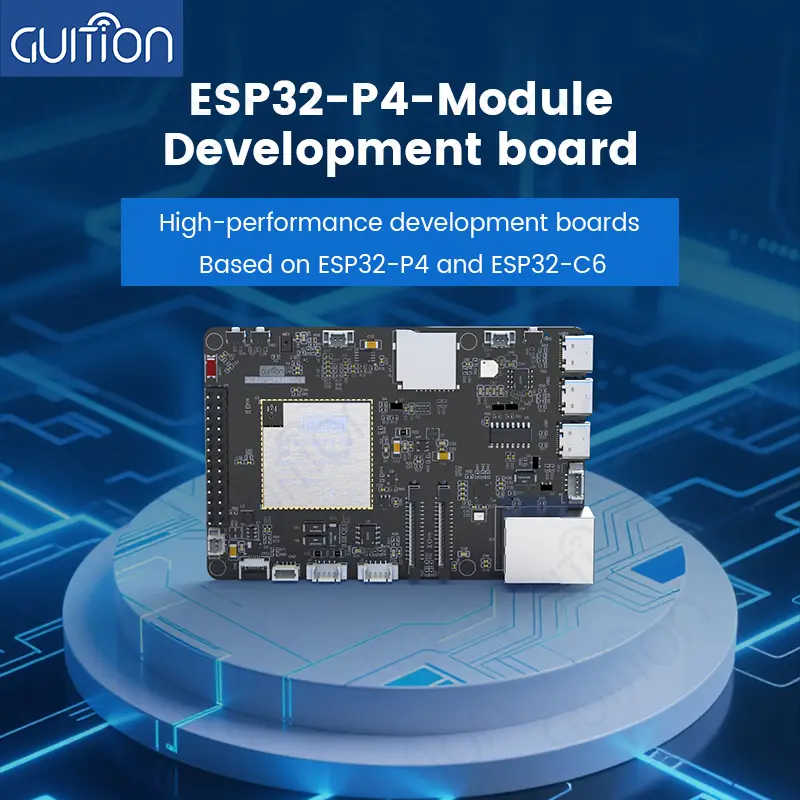
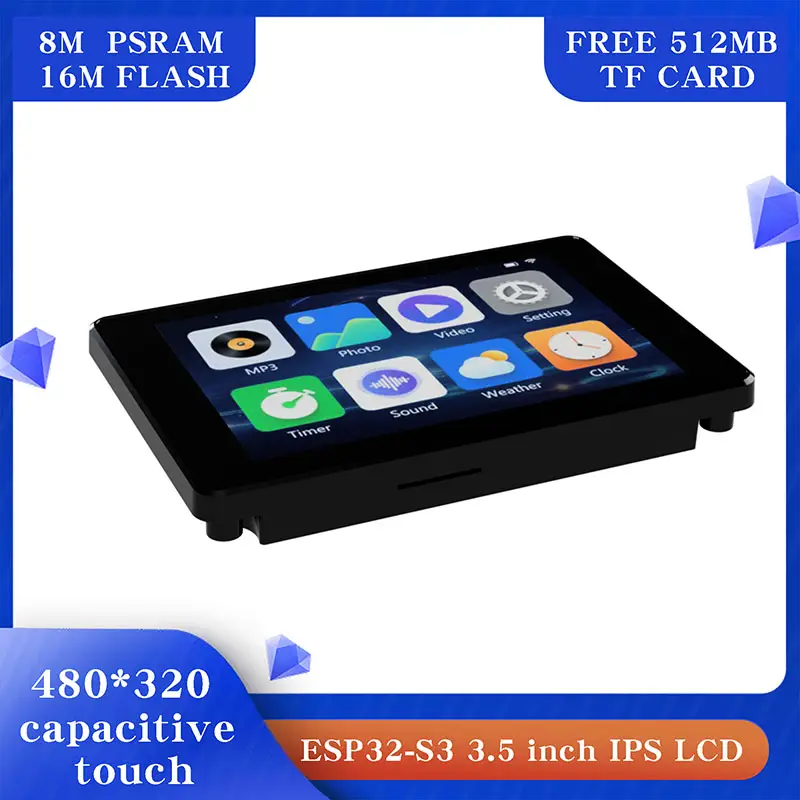
The ESP32 is Espressif's family of low-cost microcontrollers with Wi-Fi and Bluetooth built in, and it's the usual choice when a project needs to talk to a phone, a home network or the cloud. The chips differ more than their names suggest. The original ESP32 has two cores and is the only one in the family with Bluetooth Classic, which older Bluetooth serial projects rely on. The ESP32-S3 adds native USB and room for more memory, for displays, cameras and voice. The C3 is a small single-core RISC-V chip for simple sensors, the C6 adds Wi-Fi 6 plus Zigbee and Thread for smart-home devices, and the C5 adds 5 GHz Wi-Fi. The ESP32-P4 has no radio of its own; boards pair it with a C6 for wireless and use it for camera and display work.
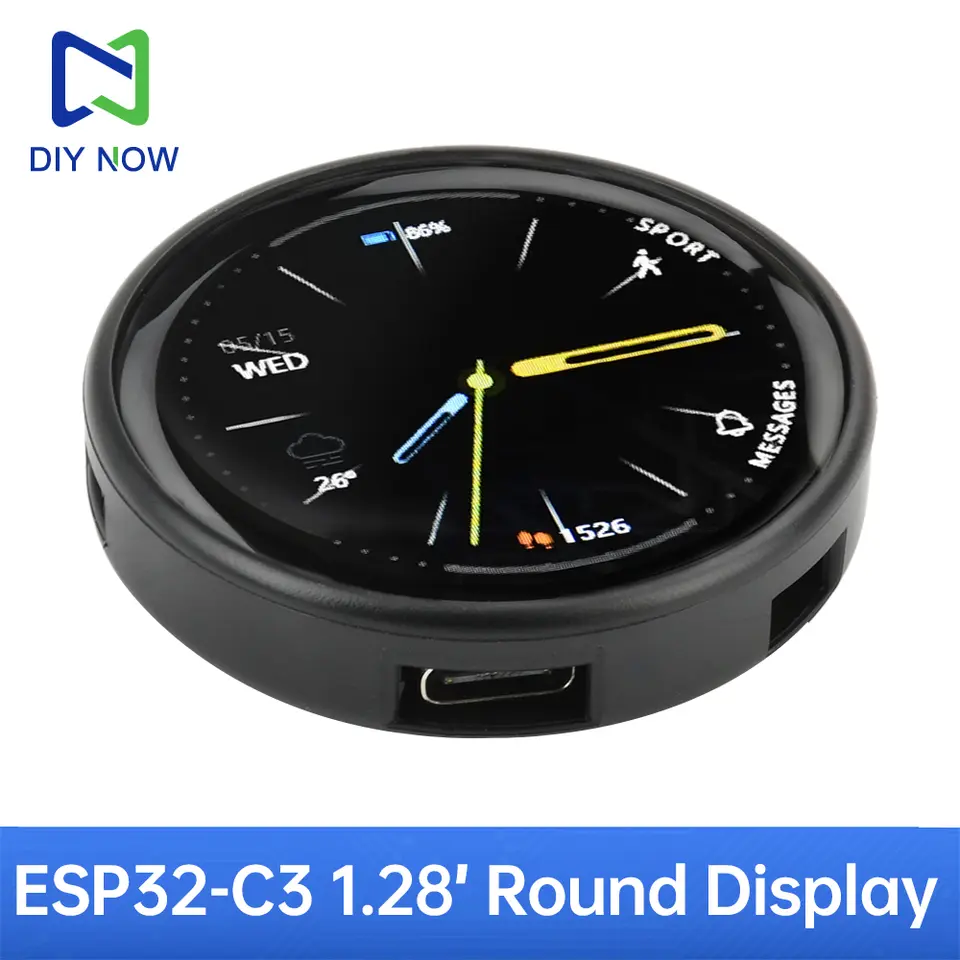
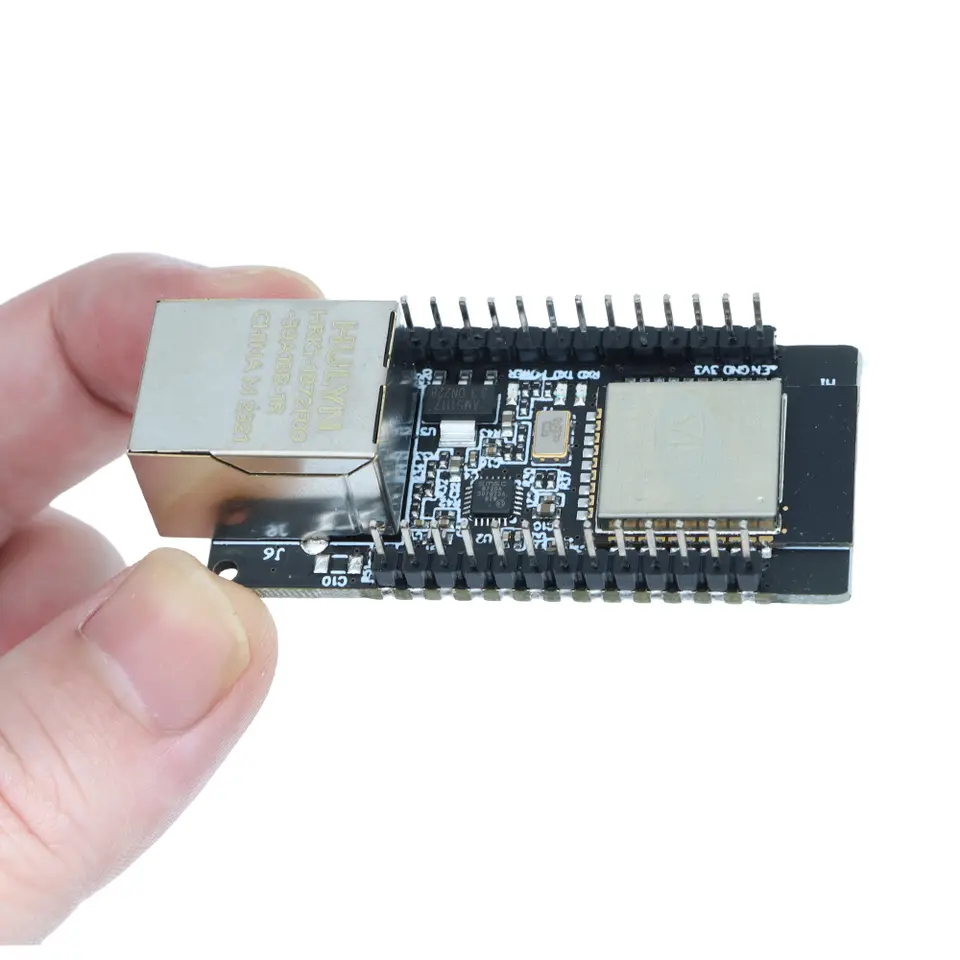
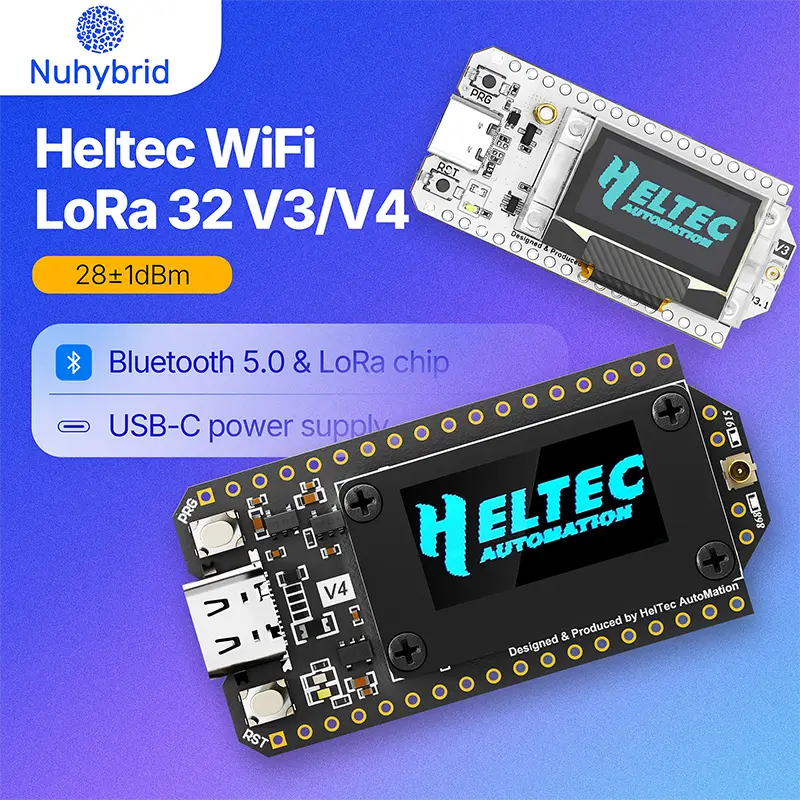
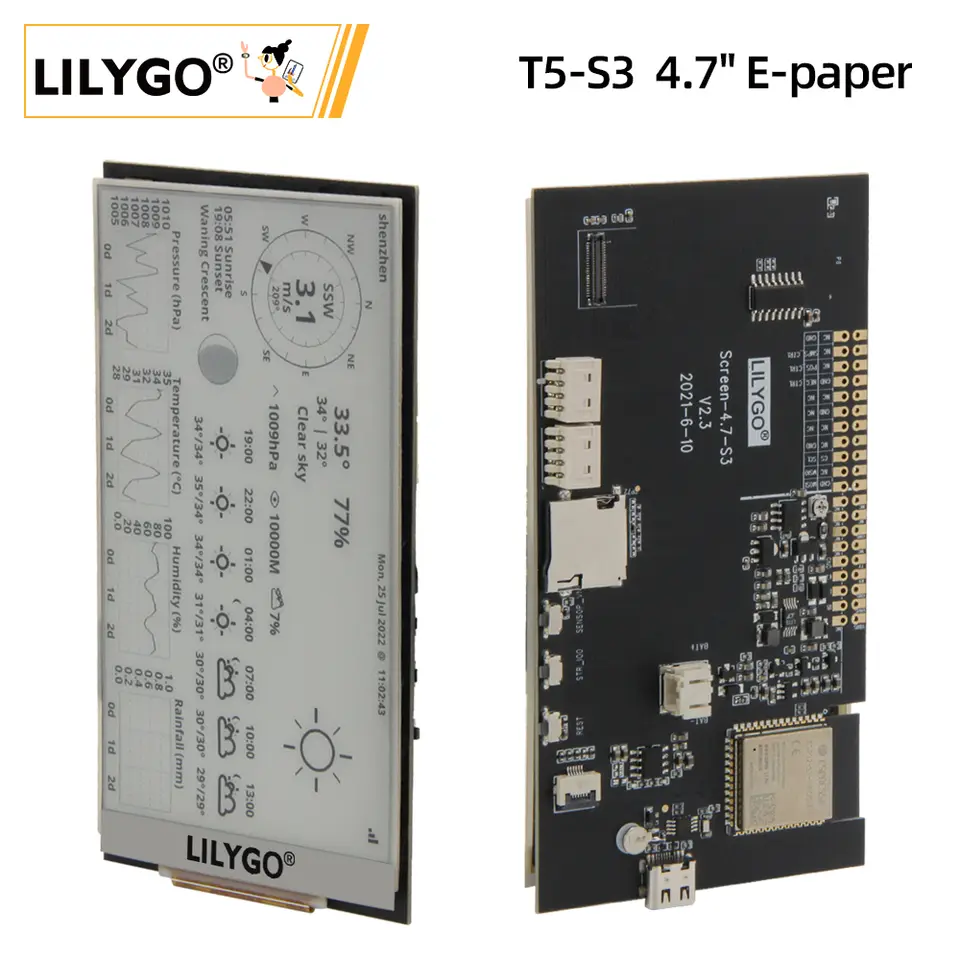
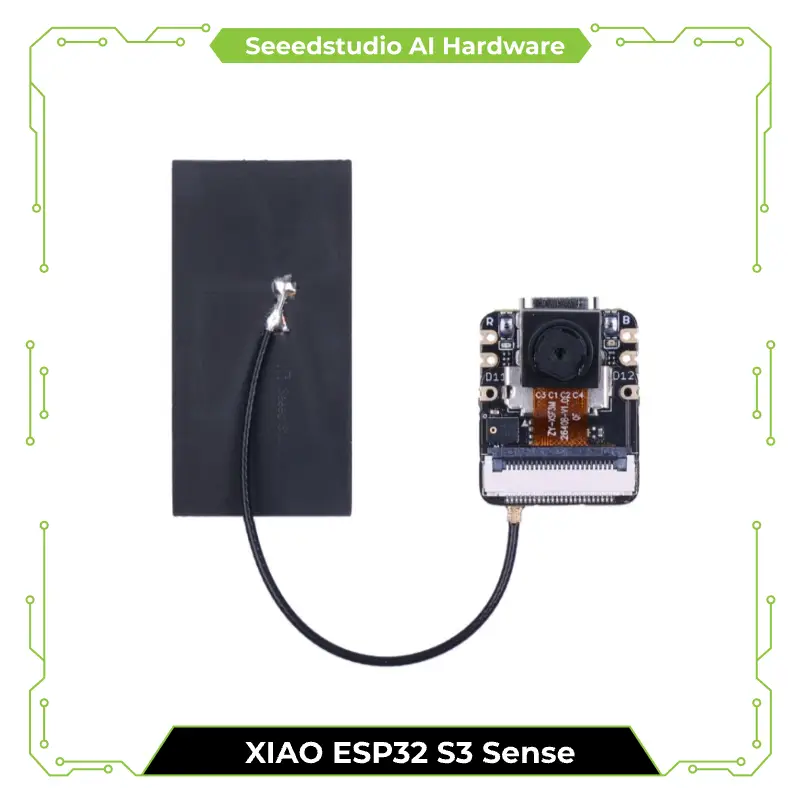
Boards here range from bare development boards to ones with a touchscreen, an e-paper panel, a camera or a LoRa radio on board. Every ESP32 pin is 3.3 V. The common chips program from the Arduino IDE, Espressif's ESP-IDF or MicroPython; check that your tools support newer chips such as the C5 and P4 before you buy one.
Quick checks before you order
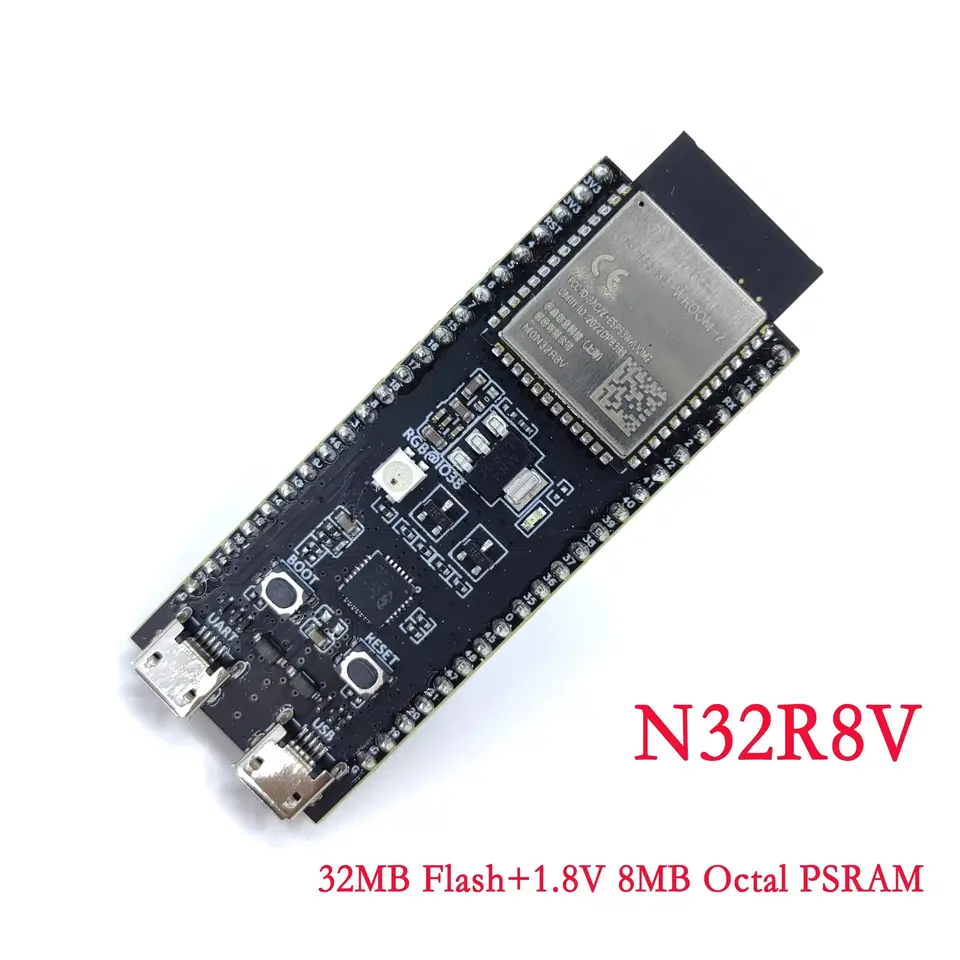
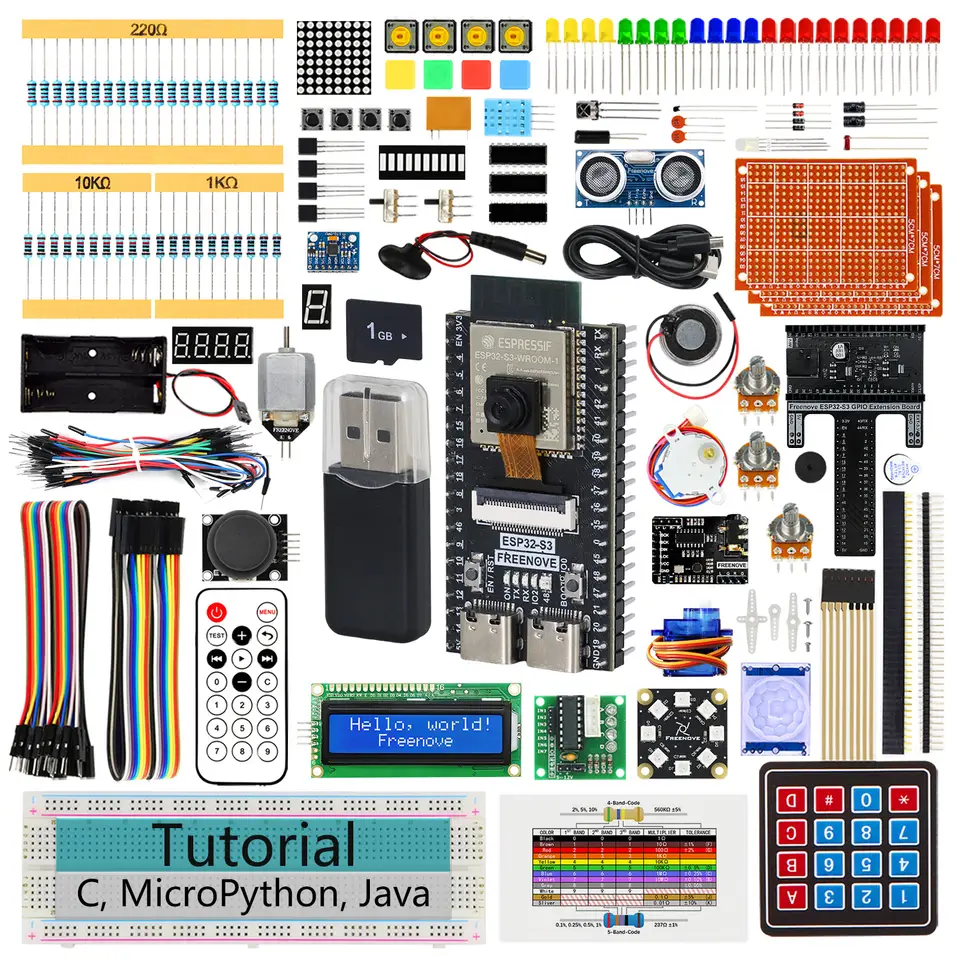
For a first board, an ESP32 or ESP32-S3 DevKitC has the most tutorials. Choose an S3 board with PSRAM for displays, cameras and voice: N16R8 in a module name means 16 MB of flash and 8 MB of PSRAM.
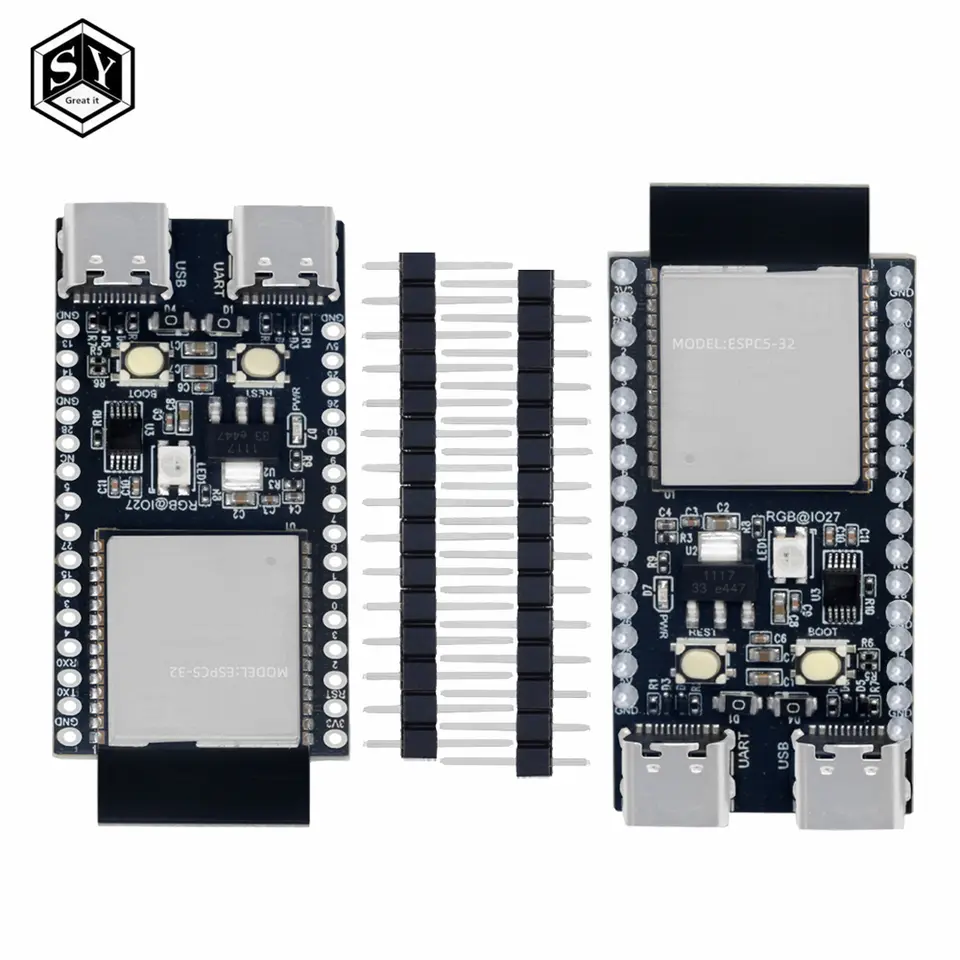
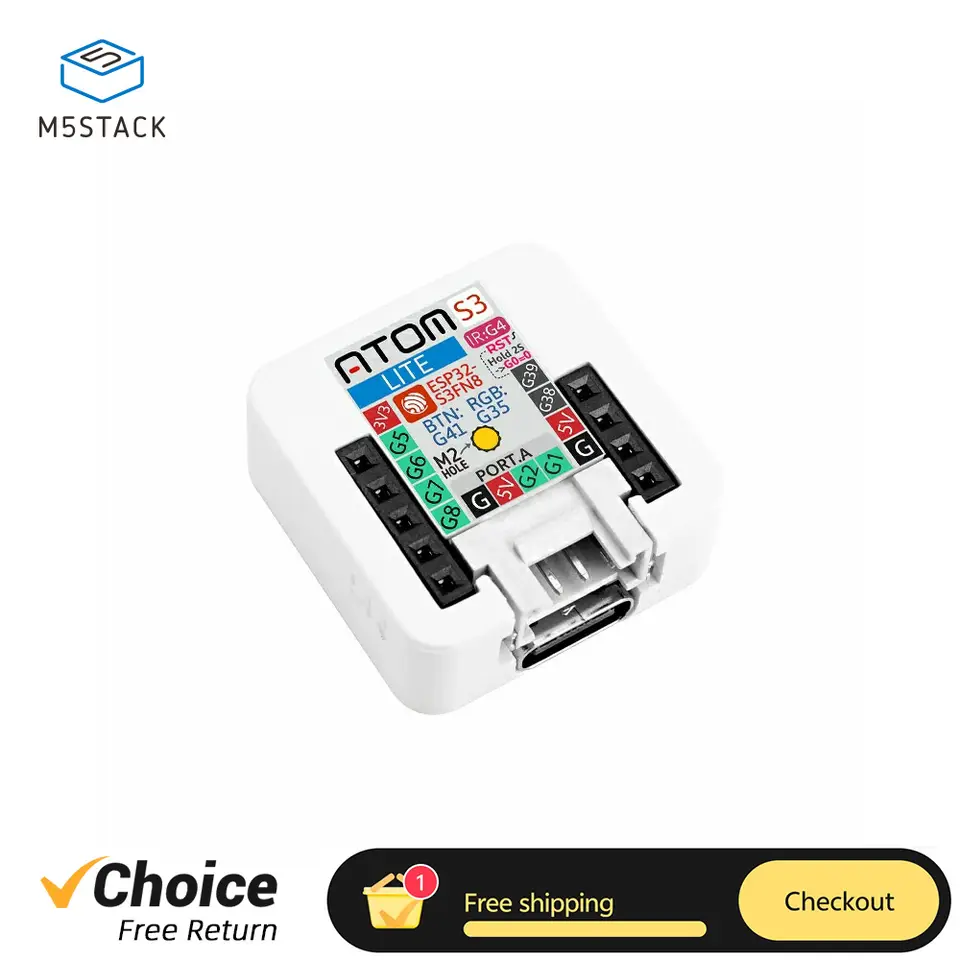
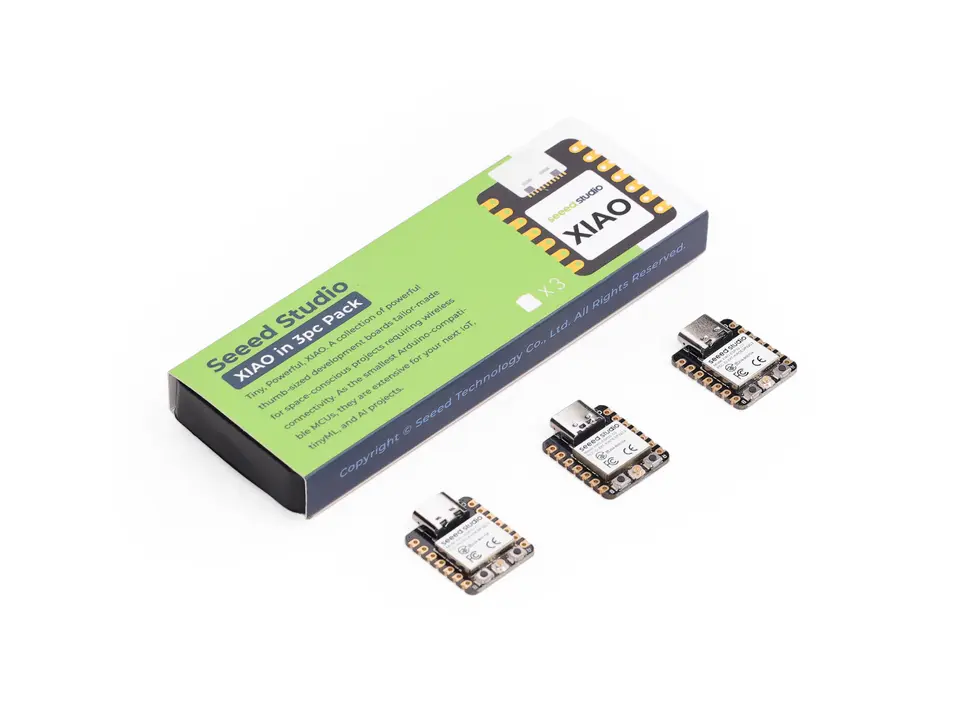
Super Mini and XIAO boards fit small enclosures but break out fewer pins, while a full-size DevKitC breaks out nearly all of them. Check the pin count, the antenna (on the board or an external connector) and whether the headers come soldered.
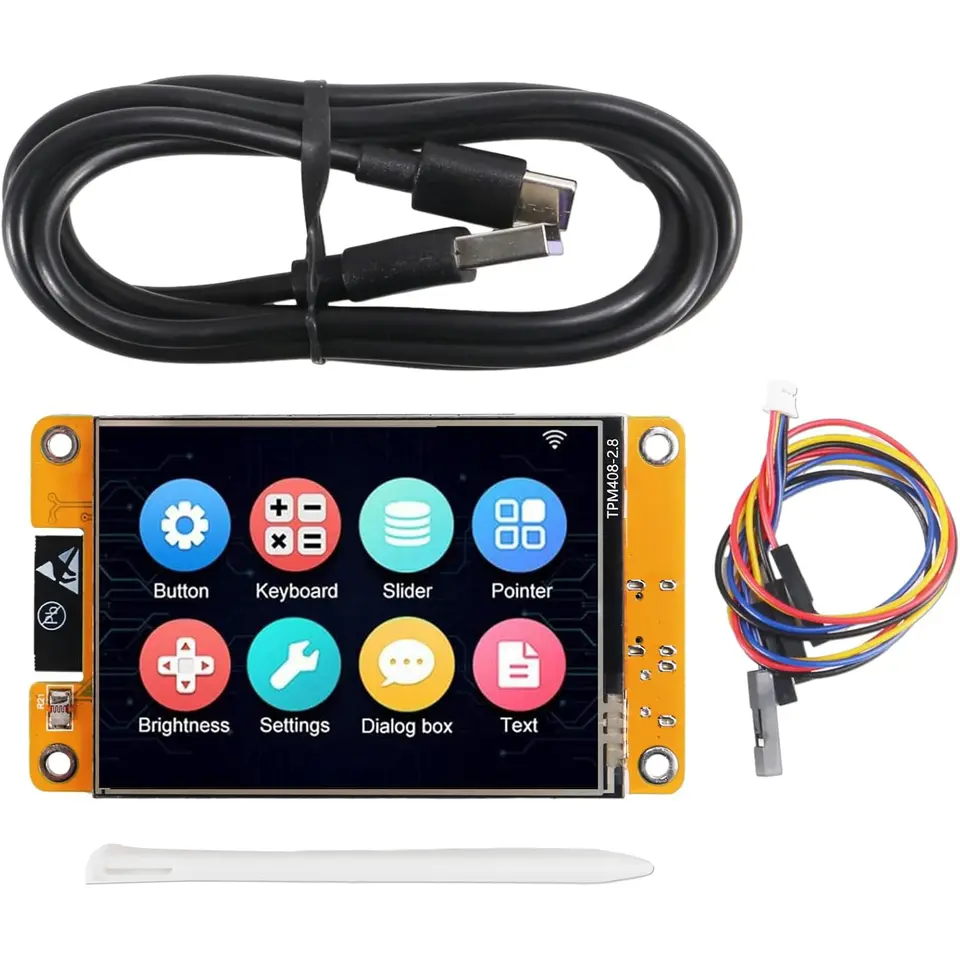
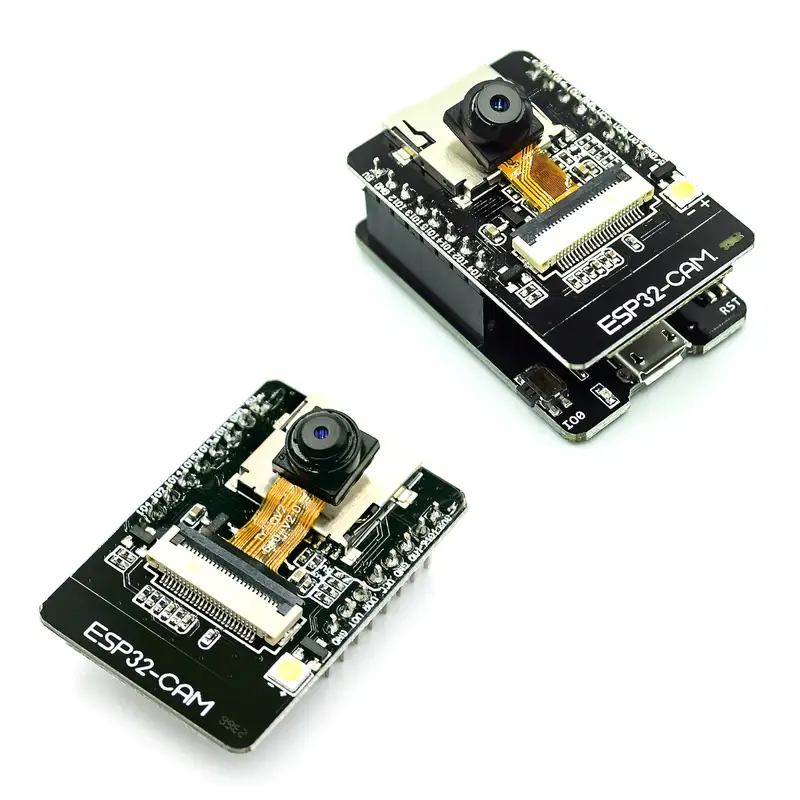
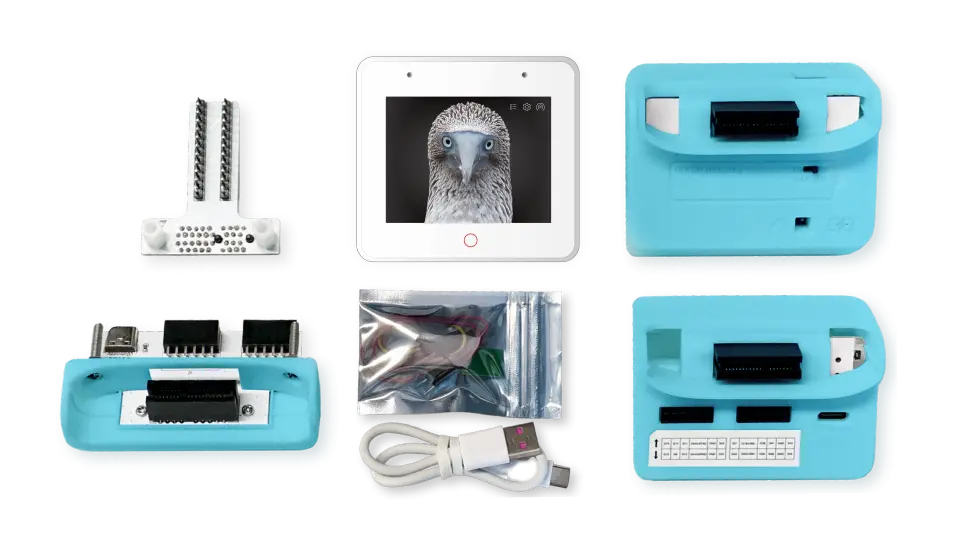
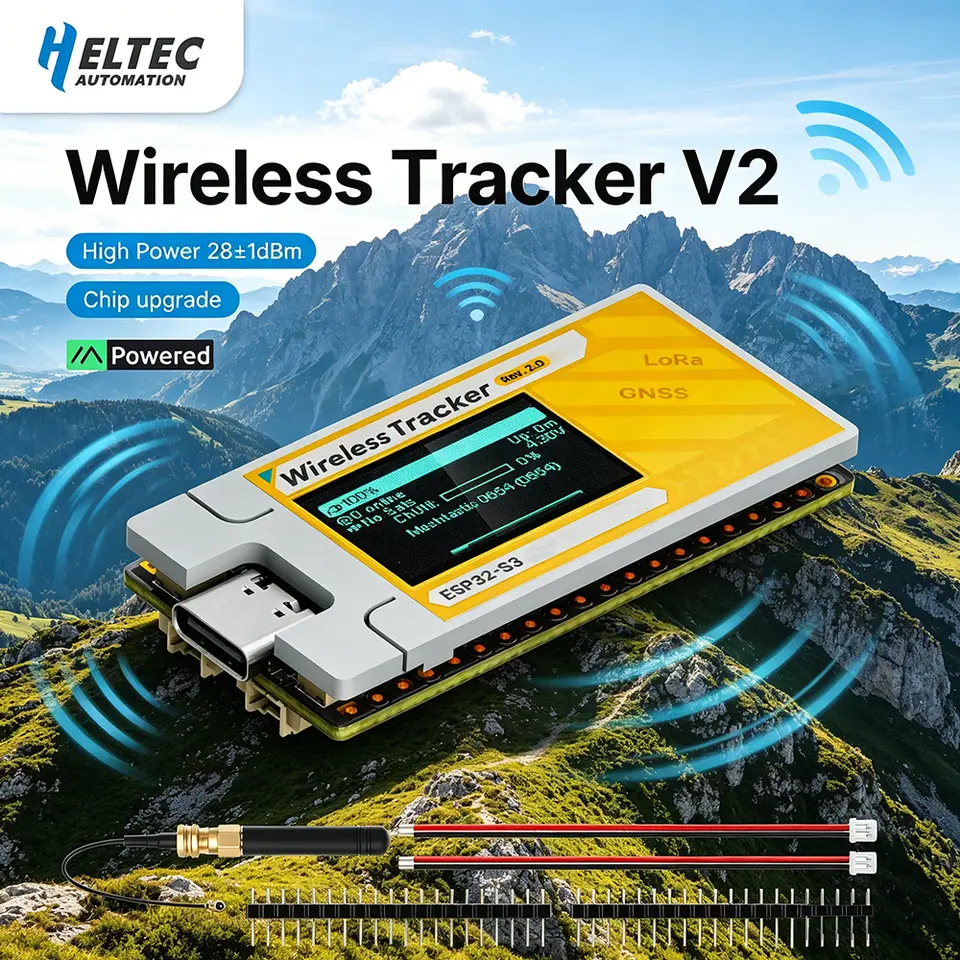
Display boards save wiring and make good dashboards. An ESP32-CAM has no USB port of its own, so it needs a separate programmer unless the listing includes one, and a LoRa board needs its antenna attached before it's powered on.
More in Computing
Tell us the part name or number, and we'll review it for the catalog.