

From$3.87
Raspberry Pi Pico Expansion Board GPIO Breakout Extension Adapter Onboard Male and Female Pins for Pico
Est. delivery 6-15 days
Ships to CanadaPrices in CAD
Arduino, ESP32 and Raspberry Pi boards, displays and add-ons for embedded projects, classrooms and home automation.
170 results
From$3.87
Est. delivery 6-15 days


From$12.07
Est. delivery 7-12 days

From$1.91
Est. delivery 7-13 days

From$3.19
Est. delivery 7-15 days


From$12.68
Est. delivery 6-11 days
$4.19
Est. delivery 6-12 days
From$5.75
Est. delivery 7-16 days
From$11.04
Est. delivery 7-19 days
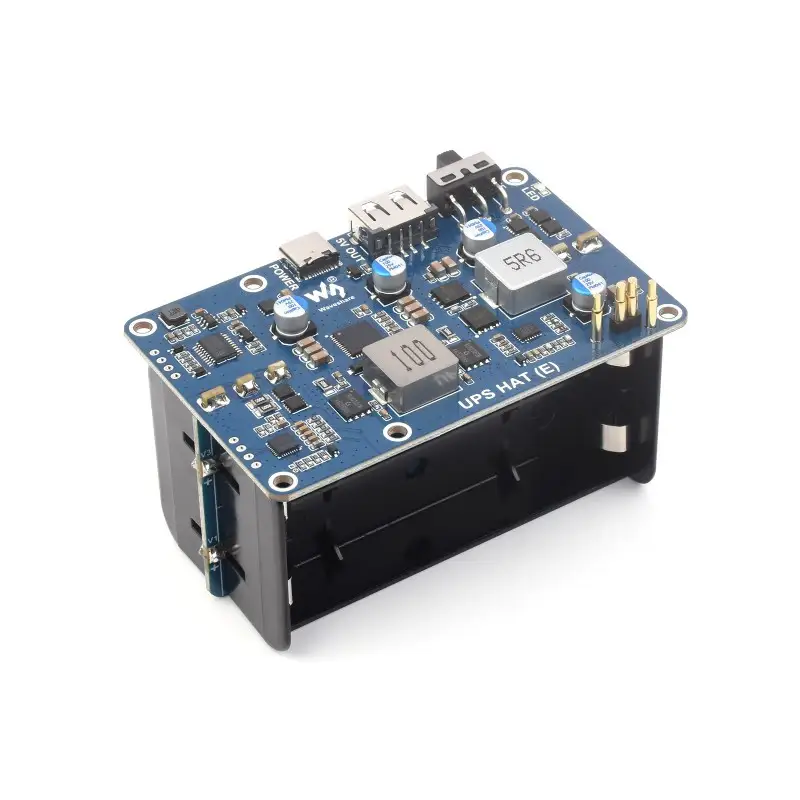
$62.47
Est. delivery 7-23 days
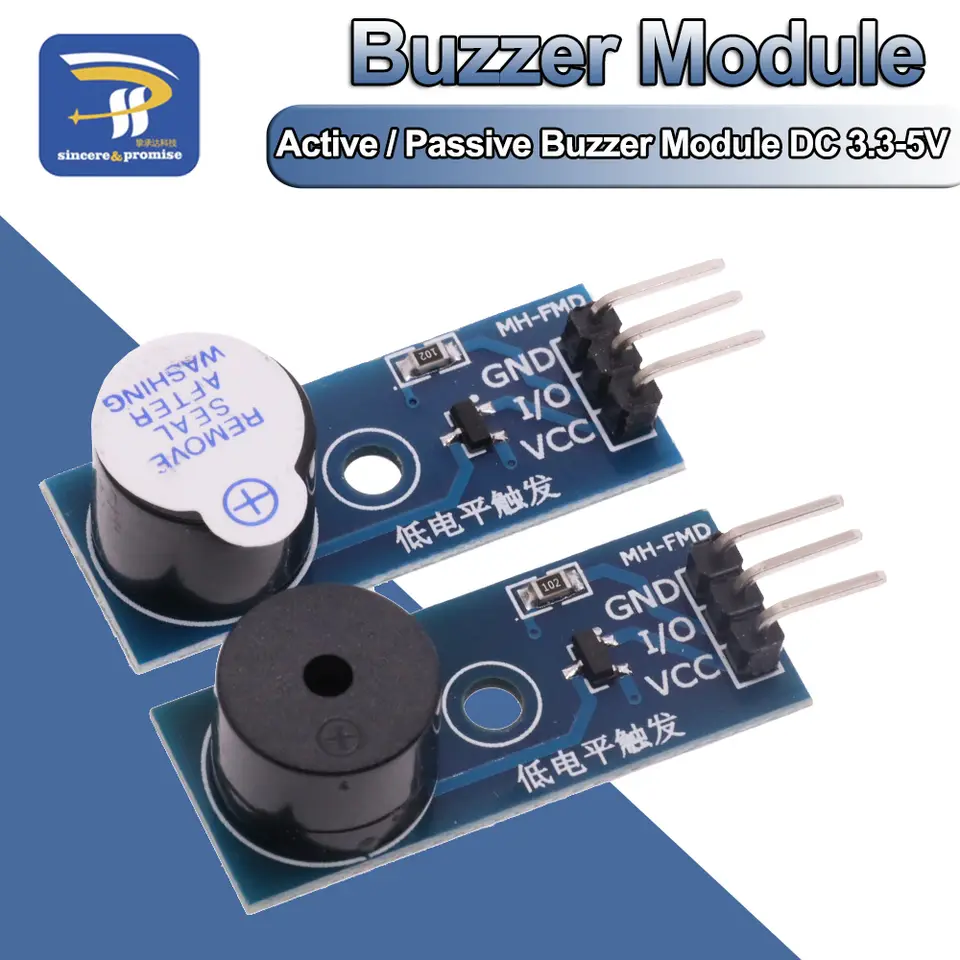
From$5.49
Est. delivery 7-16 days
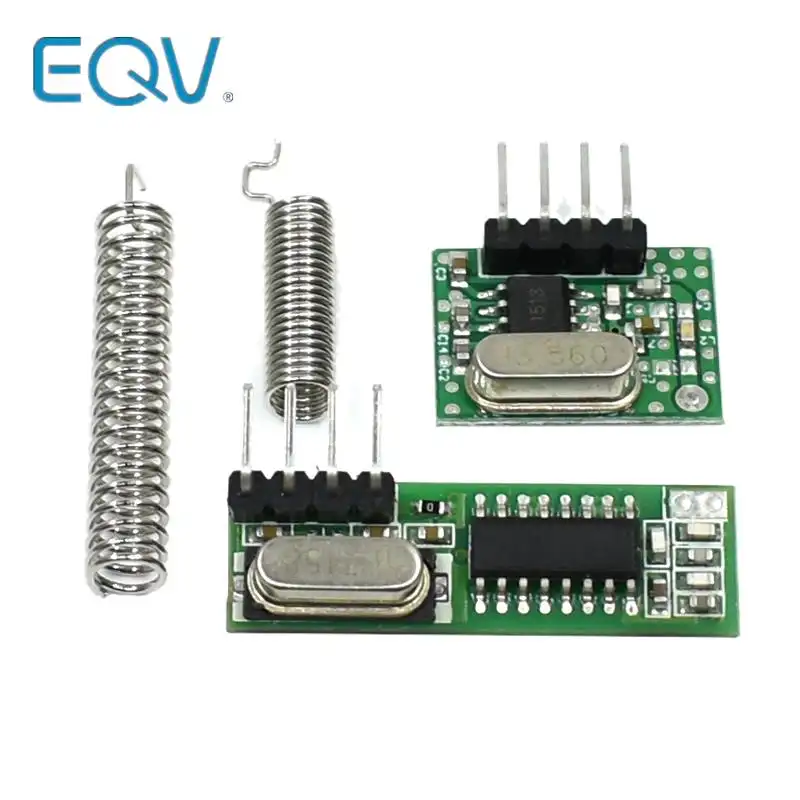
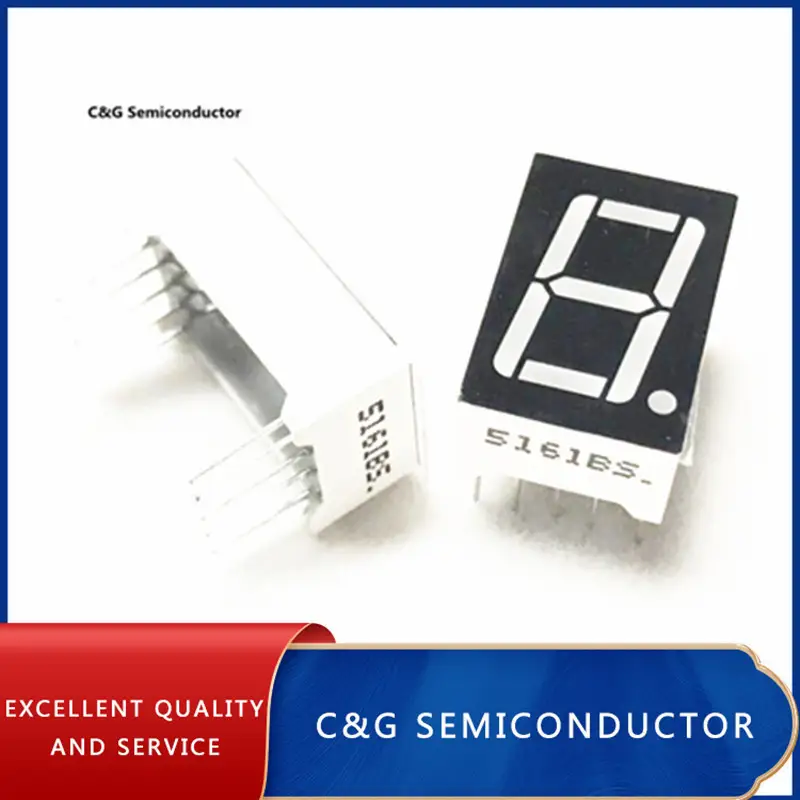
From$8.18
Est. delivery 7-13 days
From$7.69
Est. delivery 7-16 days
From$6.49
Est. delivery 7-16 days
From$8.20
Est. delivery 7-16 days
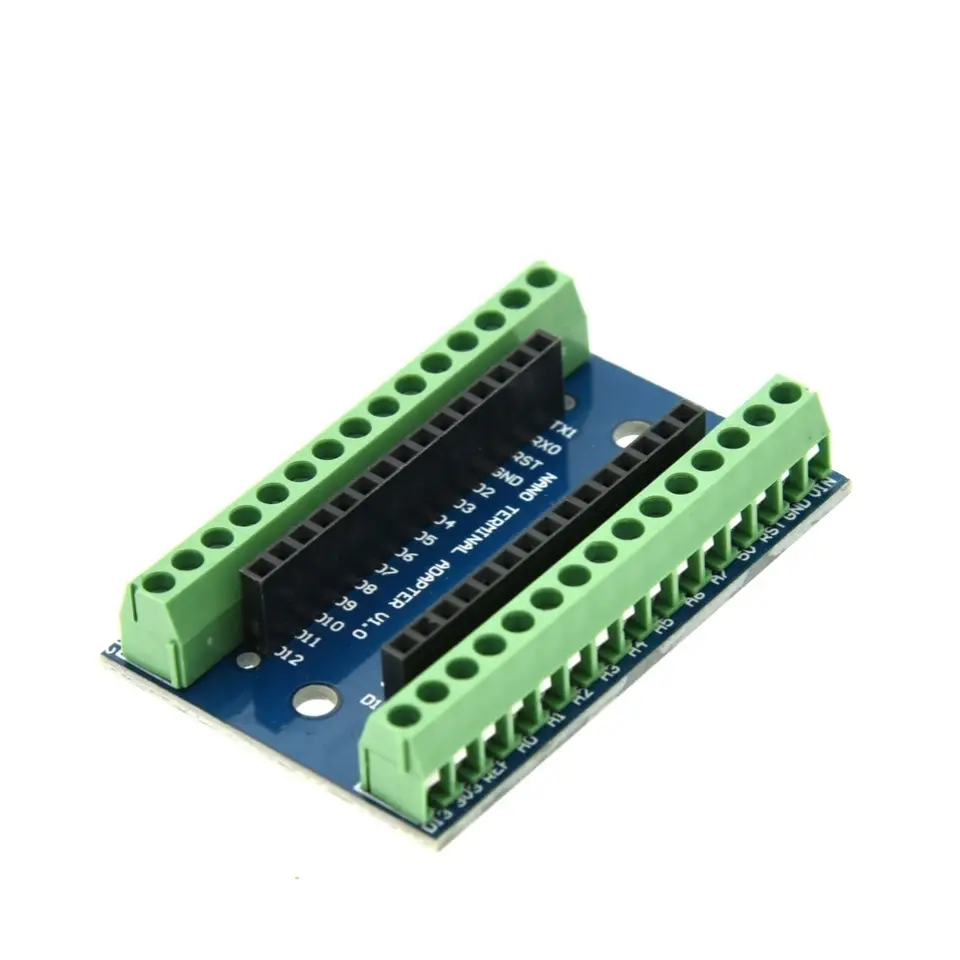
From$6.86
Est. delivery 7-18 days
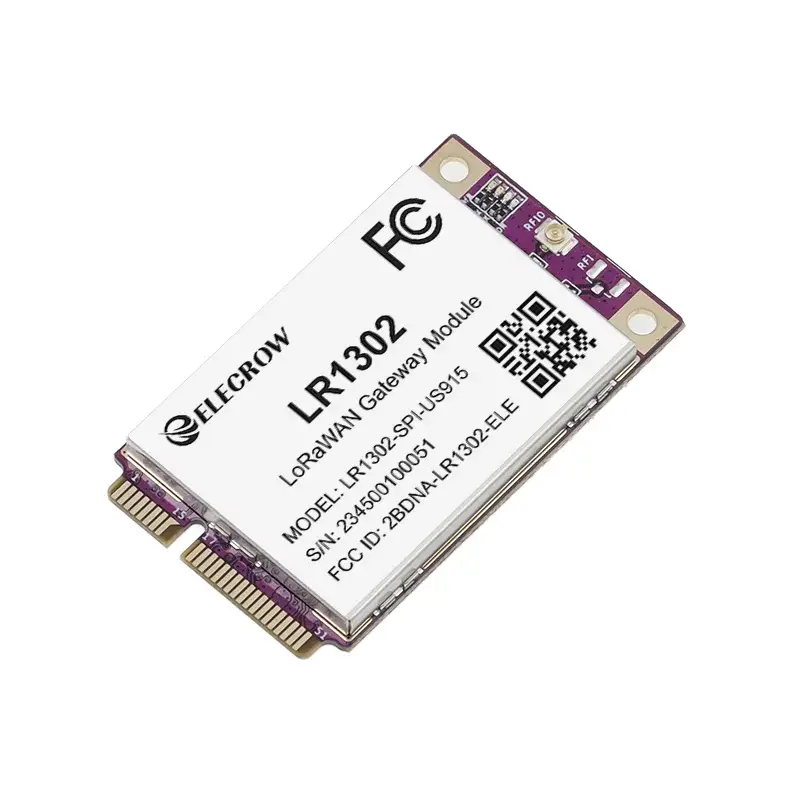
$88.03
Est. delivery 8-15 days
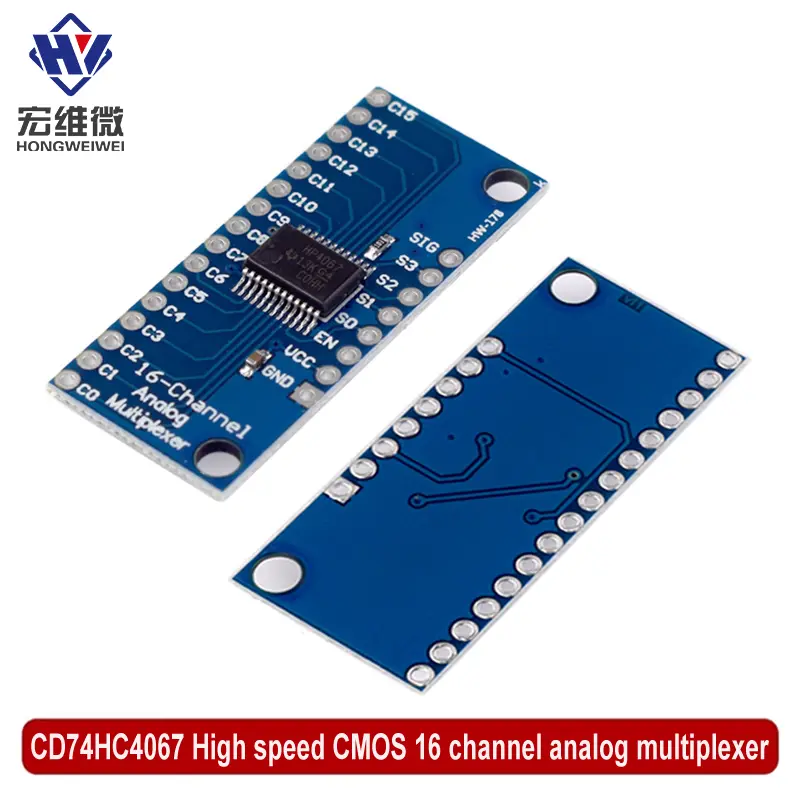
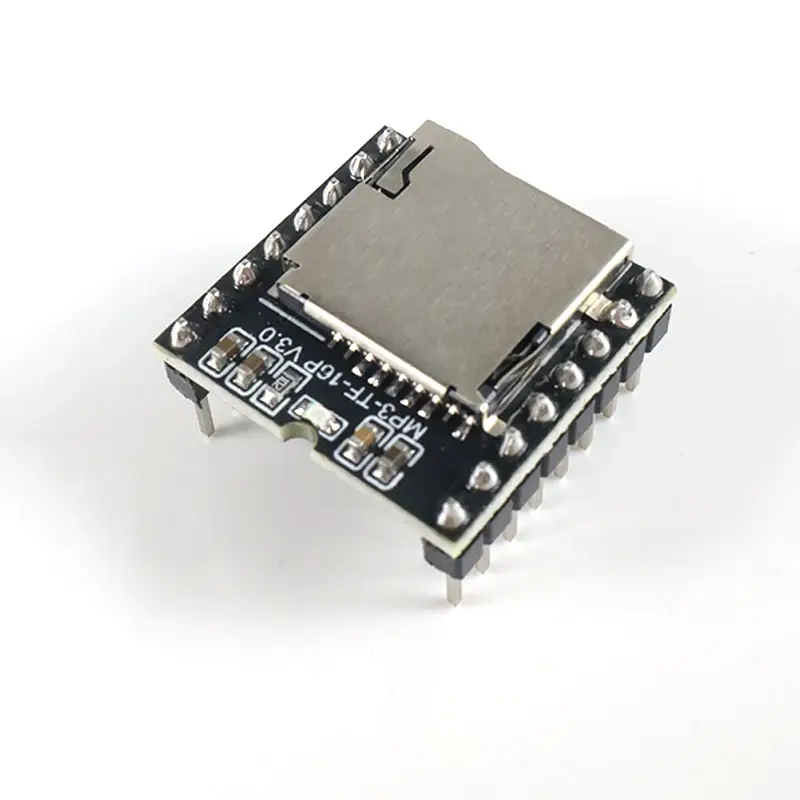
From$8.32
Est. delivery 7-19 days
The brains of most projects. Microcontroller boards include ESP32 development boards (the original ESP32 plus the S3, C3, C6 and newer chips), Arduino-compatible Uno, Nano and Mega boards and the Uno R4, Raspberry Pi Pico and other RP2040 and RP2350 boards, and STM32 and RISC-V boards for when you outgrow them. For projects that need Linux there's the Raspberry Pi 5 and an NVIDIA Jetson Orin Nano kit, with Pi HATs for PoE, NVMe storage, UPS power and relays, plus coolers and cases.
Displays range from 0.96-inch OLEDs and 16x2 character LCDs to touchscreens, e-paper and ESP32 boards with a screen built in. USB-to-serial adapters, ESP-Prog, ST-Link and DAPLink debuggers, and CAN, RS-485 and Ethernet modules round it out. Check the logic voltage (5 V on an Uno, 3.3 V on an ESP32, Pico or Raspberry Pi) and the board's USB chip before you buy.
170 listings today, from $1.62; half cost $15.86 or less.
Decide first whether you need a microcontroller or a small computer. An Arduino Uno or an ESP32 runs one program, starts almost instantly and controls hardware directly. A Raspberry Pi runs Linux for cameras, dashboards and Python-heavy projects. The ESP32 adds Wi-Fi and Bluetooth for connected projects.
Look at memory, the number and type of pins, wireless features and the USB connector. On a Raspberry Pi, RAM is the main choice. On a microcontroller, check flash and RAM if you plan to drive a display or run MicroPython. Many compatible boards use a CH340 or CP210x USB chip that may need a driver on your computer.
Arduino Uno pins use 5 V logic, while ESP32 and Raspberry Pi pins are 3.3 V and aren't 5 V tolerant. Budget for the full setup: a Raspberry Pi 5 needs a 5 V, 5 A USB-C supply for full USB power, plus a microSD card and usually a case with cooling.
Popular in Computing
Tell us the part name or number, and we'll review it for the catalog.